
Ceramic vases have long been prized not only for their functionality but also for their artistry. The glaze, a vital part of ceramic vase design, plays a significant role in shaping both the aesthetics and performance of the piece. It is more than just a coating—glaze adds color, texture, and shine, transforming a simple vessel into a work of art. In this blog, we will delve into the evolving role of glaze in ceramic vase design, exploring the latest trends, innovations, and techniques that are shaping the industry.
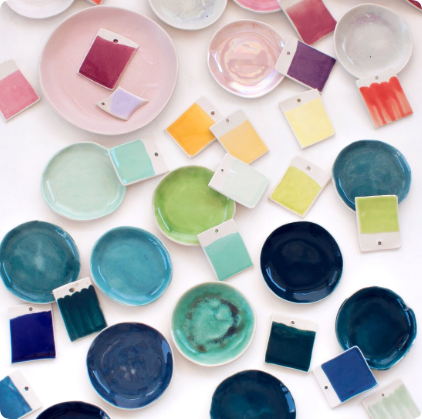
By understanding the importance of glaze and its impact on ceramic design, B2B buyers and manufacturers alike can make informed decisions when selecting or creating ceramic vases. We will also compare traditional and modern glazing methods, providing insight into how these techniques affect the final product, and present an analysis of current market trends.
The Importance of Glaze in Ceramic Vases
Before diving into the latest trends, it’s important to understand why glaze is such a critical component of ceramic vase design. The glaze serves several key functions:
- Aesthetic Appeal: Glaze provides a surface that can be smooth, glossy, matte, or textured, offering endless possibilities for visual effects. It enhances the color, brightness, and finish of the vase.
- Durability: Beyond aesthetics, glaze protects the ceramic material underneath from damage. It makes the vase water-resistant, stain-resistant, and generally more durable.
- Functional Properties: In some cases, glazes can also serve functional purposes, such as improving the structural integrity of the vase or making it easier to clean and maintain.
- Reflection of Cultural and Artistic Trends: Glazes can also act as a reflection of cultural and artistic movements. For example, a shift from shiny, vibrant glazes to matte and earthy tones may reflect larger design trends in the market.
Current Trends in Glaze for Ceramic Vases
In recent years, the ceramic vase industry has witnessed significant innovations in glazing techniques, with designers and manufacturers pushing the boundaries of creativity and craftsmanship. Some of the most notable trends include:
1. Matte and Earthy Finishes
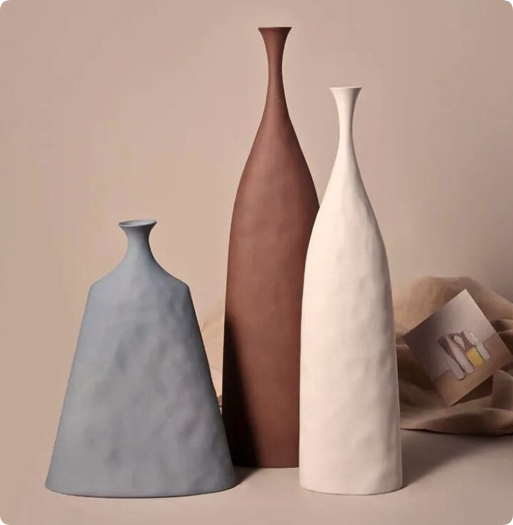
One of the most prominent trends in ceramic vase design today is the move toward matte glazes with earthy tones. These glazes give the vases a more organic, natural feel, aligning with the growing interest in sustainable design. Matte finishes, such as soft whites, muted blues, and greys, have become increasingly popular, creating a serene, minimalist aesthetic that complements a wide range of interiors.
2. Metallic and High-Gloss Finishes
While matte finishes dominate, there is also a resurgence in the use of metallic glazes, especially in high-end designer ceramics. Gold, silver, and copper finishes add luxury and elegance to a ceramic vase. These glazes often reflect light in unique ways, adding an element of dynamism to the piece. This trend is particularly popular for modern and contemporary settings.

3. Reactive Glazes
Reactive glazes have become increasingly popular in recent years due to their ability to create unpredictable and unique color effects. When applied, these glazes react with the surface of the ceramic in unpredictable ways, resulting in textures and color variations that cannot be replicated. Reactive glazes are particularly appreciated by artists and collectors for their one-of-a-kind results.

4. Crackle Glazes
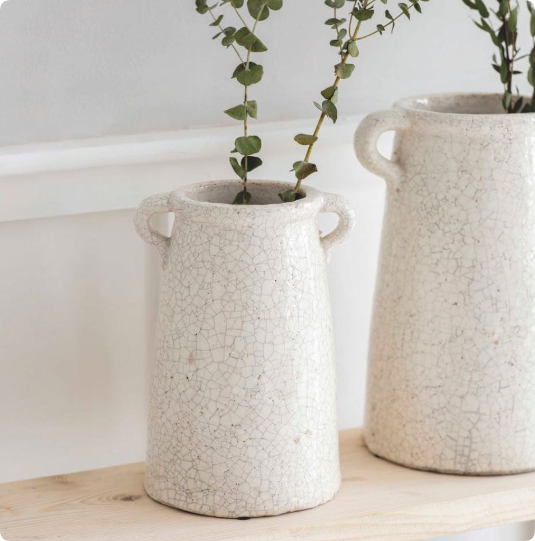
Crackle glazes, which produce a network of fine cracks on the surface of the vase, are making a comeback. These glazes are particularly sought after for their antique and vintage appeal. The fine cracks in the glaze can be accentuated with color, giving the piece an aged look, which adds character and visual interest.
5. Transparent and Translucent Glazes
Transparent and translucent glazes are gaining popularity for their ability to highlight the underlying ceramic form. These glazes allow the natural texture and color of the clay to show through, creating a sense of depth and layering. This trend is popular in both traditional and contemporary ceramic vase designs.
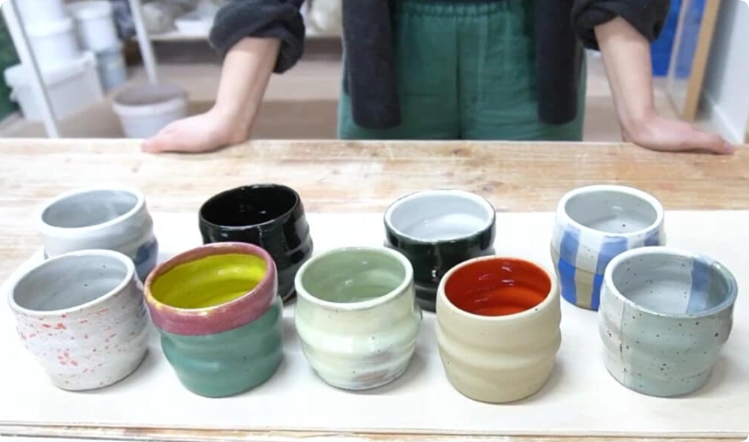
9 Pottery Glazing Techniques
Innovations in Glaze Technology
Alongside these trends, technological advancements have allowed for more precise and varied applications of glaze. Some notable innovations include:
1. 3D Printed Glaze Applications
3D printing technology has begun to impact the ceramic industry, particularly in the creation of intricate glaze patterns. Designers are now using 3D printing techniques to apply glaze in complex patterns that would have been impossible with traditional hand-glazing methods. This technology enables a level of precision and creativity previously unattainable.
2. Eco-Friendly Glazes
As sustainability becomes a more pressing concern in the ceramics industry, many manufacturers are developing eco-friendly glazes. These glazes are made using non-toxic, sustainable ingredients that reduce the environmental impact of the ceramic production process. For example, the use of lead-free glazes has become a standard practice in many regions, and glazes are being formulated to minimize energy consumption during firing.
3. Self-Cleaning Glazes
An emerging innovation in the glaze field is the development of self-cleaning glazes. These glazes use photocatalytic properties to break down dirt and organic materials when exposed to light. This technology is particularly appealing for functional ceramics, such as vases that are used in public spaces or outdoor settings.
4. Layered Glazes
Another innovative technique is the use of layered glazes, which involve applying multiple coats of different glazes to achieve unique visual effects. The glazes may react with each other during firing, creating unexpected results. This technique is often used to create complex textures and patterns that add depth and interest to the surface of the vase.
Traditional vs. Modern Glazing Techniques: A Comparative Analysis
As the ceramic industry evolves, so do the techniques used to apply glazes. Traditional glazing methods, which have been passed down through generations, often prioritize craftsmanship and time-honored methods. In contrast, modern techniques tend to emphasize precision, efficiency, and the use of cutting-edge technologies.
To better understand the differences between these approaches, let’s compare traditional and modern glazing techniques:
| Aspect | Traditional Glazing | Modern Glazing |
|---|---|---|
| Technique | Hand-applied or dip-glaze methods | Spray coating, 3D printing, and automated methods |
| Customization | High level of customization by artisans | Precision-based, with some creative flexibility |
| Materials | Natural, locally sourced materials | Often synthetic, eco-friendly options available |
| Finish | Glossy, matte, or crackle finishes | Gloss, matte, metallic, reactive, and layered glazes |
| Production Time | Labor-intensive, slow process | Faster production with higher consistency |
| Cost | Generally higher due to manual labor | More cost-effective for mass production |
Conclusion
The role of glaze in ceramic vase design has never been more crucial. It is not just a decorative element but a functional and cultural statement that can define the identity of a vase. As we have explored, the latest trends in glazing—from matte and earthy finishes to reactive and self-cleaning glazes—are all helping to redefine what a ceramic vase can be. Innovations in glaze technology, such as eco-friendly options and 3D printed glazes, are opening up exciting new possibilities for designers and manufacturers.
For B2B buyers and manufacturers, understanding the various glazing techniques and trends is vital for staying ahead in an ever-evolving market. Whether you’re looking to create vases with timeless appeal or cutting-edge designs, choosing the right glaze can make all the difference in the final product.
By embracing both traditional craftsmanship and modern innovations, ceramic vase designers can continue to push the boundaries of creativity, ensuring that ceramic vases remain not just functional objects, but works of art.
Ready to scale your home & garden ceramic business? Hale is here to help with consultation and bulk order deals.
