
If you’ve ever sourced terracotta flowerpots at scale, you already know the pain points: scattered suppliers, inconsistent specifications, slow quotations, and endless back-and-forth emails. For global home & garden buyers, gift wholesalers, and cross-border eCommerce sellers, traditional sourcing methods simply don’t scale anymore.
This is where e-procurement platforms quietly change the game.
Instead of replacing human decision-making, the best platforms streamline the messy middle of sourcing—comparison, compliance, communication, and repeat ordering—especially for products like terracotta garden pots, where craftsmanship, clay origin, firing consistency, and logistics all matter.
Below, we’ll walk through 7 practical, buyer-tested ways e-procurement platforms simplify terracotta flowerpot sourcing, without repeating material comparisons or surface-level theory.
1. Centralized Supplier Discovery (Without Endless Searching)
One of the biggest time drains in terracotta sourcing is finding qualified suppliers in the first place.
E-procurement platforms consolidate manufacturers, exporters, and workshops into searchable ecosystems. Instead of juggling bookmarks and spreadsheets, buyers can filter suppliers by:
- Production scale
- Export experience
- MOQ flexibility
- Product focus (e.g. outdoor terracotta planters, hand-thrown clay pots, large patio urns)
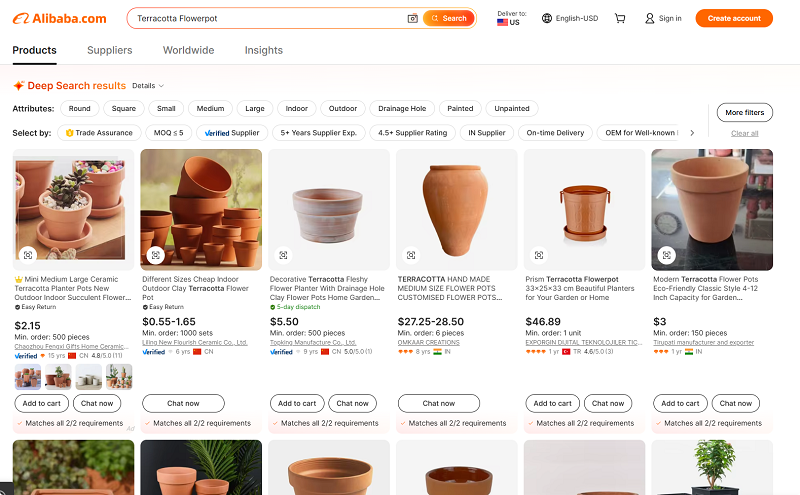
Platforms inspired by models like Alibaba Business Services or Global Sources reduce discovery time while keeping supplier information standardized and comparable.
This is especially helpful when sourcing bulk terracotta flowerpots for garden centers or private-label clay planters for online stores, where consistency matters more than novelty.
2. Faster RFQs with Standardized Specifications
Terracotta products often look simple—until you start specifying them.
Wall thickness, drainage hole size, rim reinforcement, firing temperature, and color variation tolerance all affect durability and pricing. E-procurement platforms allow buyers to submit structured RFQs, ensuring every supplier responds to the same technical requirements.
This reduces:
- Misunderstandings
- Quotation gaps
- Costly sampling revisions
According to sourcing workflow research shared by Gartner, structured procurement systems significantly reduce RFQ cycle times in multi-supplier environments.
3. Transparent Price Comparison (Beyond Unit Cost)
Price comparison is not just about “cheapest per piece.”
Modern e-procurement dashboards allow buyers to evaluate:
- Unit price at different volume tiers
- Packaging methods for export
- Lead time differences
- Tooling or mold amortization
Below is a single, focused comparison table showing how buyers typically evaluate terracotta flowerpot suppliers through e-procurement platforms:
| Evaluation Factor | Supplier A | Supplier B | Supplier C |
|---|---|---|---|
| MOQ flexibility | Medium | High | Low |
| Lead time stability | Strong | Moderate | Variable |
| Export packaging options | Custom cartons | Standard only | Custom + pallet |
| Private label readiness | Yes | Limited | Yes |
| Repeat order consistency | High | Medium | High |
This kind of structured visibility is difficult to achieve through email-only sourcing.
4. Built-In Compliance & Documentation Tracking
For international buyers, compliance is not optional.
E-procurement platforms simplify the handling of:
- Export documentation
- Material declarations
- Country-specific import requirements
For example, buyers shipping terracotta planters into the EU often need consistent HS codes and documentation alignment with customs databases such as those referenced by EU Trade Helpdesk resources.
By centralizing documents, platforms reduce customs delays and last-minute paperwork requests.
5. Easier Access to Regional Terracotta Expertise
When sourcing terracotta, origin matters.
Italy: A Benchmark for Terracotta Craftsmanship
Italy remains one of the most recognized origins for traditional terracotta flowerpots, especially for premium garden collections. Well-known Italian brands include:
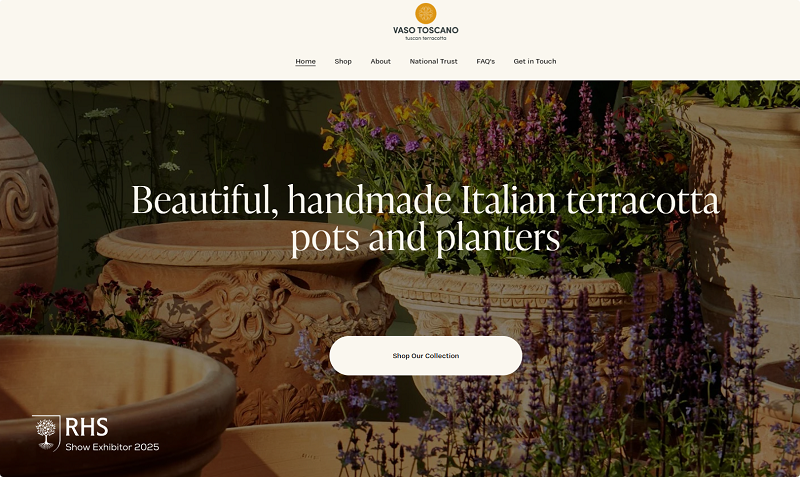
- Impruneta Terracotta – Known for high-temperature fired clay and frost resistance
- Deruta Ceramiche – Decorative terracotta with artisanal finishes
- Vaso Toscano – Classic Tuscan forms suited for landscape projects
- Manetti Gusmano & Figli – Heritage producer focusing on durability
- Cotto Etrusco – Rustic aesthetics favored by European garden designers
E-procurement platforms help buyers compare such regional expertise with large-scale export manufacturers, without mixing brand discovery into pricing tables.
6. Improved Communication & Sample Management
Sampling delays are one of the most common sourcing bottlenecks.
E-procurement systems centralize:
- Sample requests
- Revision notes
- Approval records
This is particularly helpful when developing custom terracotta planters for retail programs or seasonal outdoor pot collections, where multiple revisions are common.
Platforms inspired by procurement workflows discussed by McKinsey Supply Chain Insights highlight how digital collaboration reduces sampling cycles across borders.
7. Better Repeat Orders & Long-Term Cost Control
Terracotta sourcing rarely ends with one order.
E-procurement platforms store historical data:
- Previous pricing
- Approved specifications
- Performance records
This makes repeat orders faster and more predictable, especially for buyers running multi-SKU terracotta planter lines across different sales channels.
Over time, this data visibility supports better forecasting and cost control—without renegotiating everything from scratch.
Frequently Asked Questions (FAQ)
What is an e-procurement platform in product sourcing?
An e-procurement platform is a digital system that helps buyers manage supplier discovery, RFQs, order tracking, and documentation in one place.
Are e-procurement platforms suitable for terracotta flowerpots?
Yes. Terracotta sourcing benefits greatly from standardized specifications, sample tracking, and repeat-order management.
Can small buyers use e-procurement platforms effectively?
Many platforms now support low-MOQ sourcing, making them accessible to boutique brands and online sellers.
Do e-procurement platforms replace direct supplier relationships?
No. They streamline processes but still rely on human decision-making and long-term partnerships.
Is private labeling possible through e-procurement sourcing?
Yes. Many suppliers on these platforms support private-label and custom terracotta flowerpot programs.
Final Thoughts
E-procurement platforms don’t remove complexity from terracotta sourcing—but they organize it.
For global home & garden buyers, gift wholesalers, and cross-border eCommerce sellers, these systems reduce friction at every stage: discovery, comparison, communication, and repeat purchasing.
At the manufacturing end, there are factories in China—like Hale—that specialize in producing terracotta flowerpots, ceramic planters, vases, and decorative garden items for global brands through OEM and ODM programs. When paired with structured e-procurement workflows, this combination allows buyers to scale product lines efficiently while maintaining design intent and supply stability.
If you’re building a long-term terracotta sourcing strategy, platforms are no longer optional—they’re infrastructure.
