
At first glance, large ceramic planters look simple—clean forms, solid weight, elegant finishes. But anyone who has ever sourced oversized ceramic planters in bulk knows the truth: size magnifies every technical weakness. Hairline cracks, warped rims, uneven glaze tones, and delayed failures after shipping are common risks when production is not handled correctly.
This is why high-fire ceramic techniques play such a critical role in large ceramic planter manufacturing. For global garden brands, home décor retailers, gift companies, and cross-border e-commerce sellers, high-fire production is not a marketing story—it is a quality foundation.
In this article, we take a practical, behind-the-scenes look at how OEM suppliers use high-fire techniques for large ceramic planters, what happens during each stage of firing, and why buyers increasingly prioritize factories with proven kiln control when developing oversized ceramic garden pots and statement planters.
What “High-Fire” Really Means in Large Ceramic Planter Production
In ceramic manufacturing, “high-fire” typically refers to kiln temperatures above 1200°C (2190°F). At this range, the clay body begins to vitrify—particles fuse together, reducing porosity and increasing overall strength.

You can find the technical background of ceramic firing stages explained clearly on
https://en.wikipedia.org/wiki/Ceramic_firing
and broader material science references through organizations like
https://www.ceramics.org
For large ceramic planters, high-fire is especially important because thick walls and tall profiles demand deeper heat penetration and greater structural stability.
High-fire techniques allow OEM suppliers to produce large-format ceramic planters that:
- Hold their shape during and after firing
- Support heavy soil volumes without internal stress
- Maintain surface integrity across wide glaze areas
- Perform reliably in long-term indoor and outdoor use
Why Large Ceramic Planters Are More Challenging to Fire
Scaling ceramic production is not linear. A planter that is twice the size is not “twice as difficult”—it can be exponentially more complex.
Large ceramic planters retain moisture longer, shrink unevenly, and react more sensitively to temperature changes inside the kiln. Without proper firing control, defects often appear weeks or months after delivery, not immediately.
This is why experienced OEM suppliers invest in:
- Kilns with stable temperature zones for large items
- Slower heating curves to reduce thermal shock
- Extended soaking times at peak temperature
- Carefully managed cooling cycles
For buyers sourcing extra-large ceramic planters for outdoor landscaping, tall ceramic floor planters for interiors, or bulk decorative planters for retail programs, firing stability directly impacts return rates and brand reputation.
Inside the High-Fire Process for Large Ceramic Planters
Understanding how high-fire techniques are applied helps buyers evaluate OEM capabilities beyond surface appearance.


Clay Body Development for Large Formats
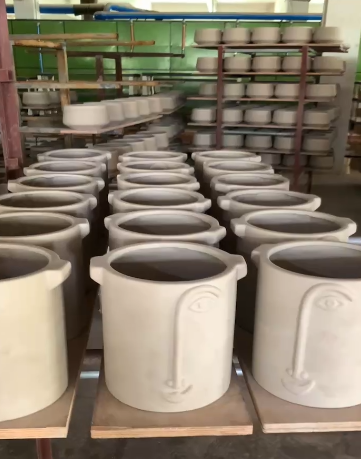
OEM suppliers rarely use the same clay body for small items and oversized planters. Large ceramic planters require formulations that balance plasticity and strength while controlling shrinkage at high temperatures.
Test firings are often conducted before full-scale production to ensure the clay behaves predictably at larger dimensions.
Extended Drying: The Hidden Quality Step
Large ceramic planters dry slowly—by necessity. Moisture trapped deep inside thick walls can cause internal cracking if rushed.
OEM factories typically allow extended natural or controlled drying periods so moisture exits evenly, reducing stress before the first firing.
Bisque Firing with Controlled Heat Ramps
During bisque firing, chemically bound water is removed and the planter gains handling strength. For large pieces, temperature increases must be gradual to avoid uneven expansion.
This stage sets the structural foundation for the final product.
Glaze Selection for High-Fire Stability
Not all glazes are suitable for large, high-fired ceramic surfaces. OEM suppliers select glazes that mature evenly at high temperatures and remain stable across wide vertical areas.
This is particularly important for matte ceramic garden planters, reactive glaze large planters, and hand-finished oversized ceramic pots where surface consistency is visually critical.
Final High-Fire and Controlled Cooling
The final firing pushes the planter to its maximum strength. Just as important as heating is cooling—rapid temperature drops can introduce micro-cracks that compromise long-term durability.
Carefully controlled cooling helps ensure large ceramic planters remain stable during transport and use.
Key High-Fire Adjustments for Large Ceramic Planters
The table below highlights how OEM suppliers adapt high-fire techniques specifically for large ceramic planters compared to standard ceramic items.
| High-Fire Factor | Standard Ceramic Items | Large Ceramic Planters |
|---|---|---|
| Firing Temperature | 1180–1220°C | 1220–1280°C |
| Heating Speed | Moderate | Slow, staged |
| Soaking Time | Short | Extended |
| Cooling Curve | Standard | Gradual, stress-reducing |
| Quality Priority | Surface finish | Structural integrity |
Why High-Fire Quality Matters to Buyers
High-fire techniques influence how large ceramic planters perform long after they leave the factory.
For brands selling outdoor ceramic planters for patios, large ceramic pots for hospitality projects, or bulk ceramic planters for garden centers, proper high-fire production results in:
- Lower breakage during shipping
- Fewer post-installation failures
- More consistent color and form across batches
- Stronger long-term customer satisfaction
Industry standards referenced by
https://www.astm.org
also emphasize durability and performance—both closely tied to firing quality.
Middle East Market Focus: Brands Driving Demand for Large Ceramic Planters
In the Middle East, large ceramic planters are not simple accessories. They function as architectural elements in villas, hotels, shopping destinations, and landscaped public spaces. Scale, presence, and permanence are central to regional design preferences.
This environment places higher expectations on OEM suppliers. High-fire ceramic techniques are essential to ensure planters maintain their form, glaze depth, and surface stability under intense sunlight and long-term use.
Below are five Middle East–based brands and retailers known for incorporating large ceramic planters into their collections or projects.
Crate & Barrel UAE
Crate & Barrel’s regional collections favor clean forms and neutral glazes. For large ceramic planters, even firing is critical to avoid color variation across wide, exposed surfaces commonly used in terraces and entryways.
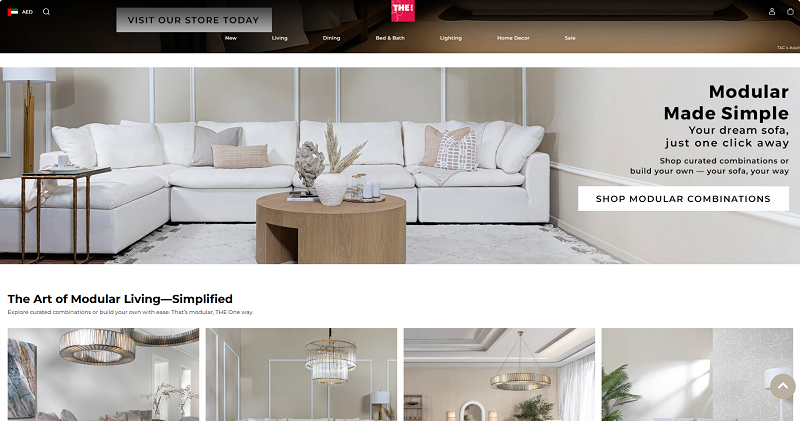
The One (Middle East)
The One is recognized for bold, expressive décor. Their oversized ceramic planters often feature textured finishes and strong proportions, which depend on controlled high-fire processes to prevent warping or glaze instability.
Indigo Living (UAE)
Indigo Living supplies premium residential and hospitality interiors. Their large ceramic planters are used as long-term décor pieces, where uniform wall thickness and structural balance are essential.

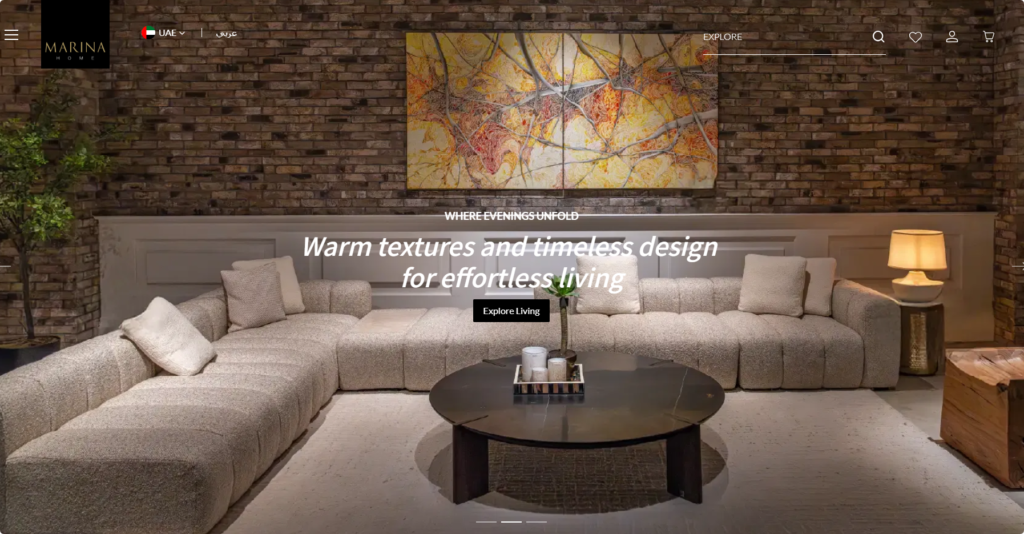
Marina Home
Marina Home focuses on statement décor with visual weight. Their ceramic planters are often large-scale and sculptural, making kiln control during high-fire firing especially important to preserve form integrity.
Al Huzaifa Furniture
Al Huzaifa integrates ceramic planters into luxury interior environments. Precision in size, symmetry, and finish is a key requirement—closely tied to disciplined high-fire ceramic production.
What Middle East Buyers Expect from OEM Suppliers
Across these brands, expectations are consistent: large ceramic planters must feel solid, refined, and permanent. This pushes OEM suppliers to prioritize high-fire techniques that deliver:

- Thick ceramic walls without internal stress
- Stable glaze tones under strong light
- Reliable consistency for repeat orders
- Long-term durability in commercial environments
FAQ: People Also Ask About High-Fire Ceramic Planters
What temperature is considered high-fire for large ceramic planters?
High-fire typically ranges from 1220°C to 1280°C, depending on clay and glaze formulation.
Why do large ceramic planters crack during firing?
Cracking usually results from uneven drying, rapid heating, or uncontrolled cooling—not from high-fire itself when managed correctly.
Are high-fired ceramic planters suitable for outdoor use?
Yes. High-fired planters generally offer better strength and lower porosity, supporting long-term outdoor performance.
Can OEM suppliers customize large high-fired ceramic planters?
Experienced OEM factories can customize size, shape, and glaze while maintaining firing stability for large-format products.
Final Thoughts
High-fire ceramic techniques are not just a production detail—they are the backbone of reliable large ceramic planter manufacturing. For global buyers developing oversized planter collections, firing control directly affects durability, consistency, and long-term value.
Hale is a China-based ceramic factory specializing in ceramic planters, vases, and home décor products for global brands. By offering OEM and ODM services supported by controlled high-fire kiln systems, Hale works with international buyers seeking scalable production, dependable quality, and long-term collaboration.
