
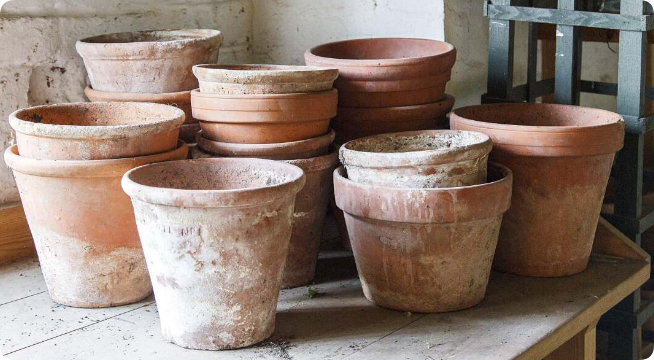
Terracotta flower pots have been a popular choice for gardening and home decor for centuries. Their natural, rustic appearance and excellent breathability make them ideal for cultivating various types of plants, especially succulents and herbs. However, one common issue often faced by terracotta pot users, especially bulk purchasers like B2B buyers, is the appearance of white residue on the surface of the pots. This white discoloration can be concerning, particularly when aesthetics play a significant role in your product offerings.
In this comprehensive article, we will discuss the primary reasons why terracotta pots turn white, examine whether this issue affects the quality or durability of the pots, and provide solutions for preventing and managing the problem. As a business buyer, understanding this phenomenon can help you better advise your customers and make more informed purchasing decisions.
What is the White Residue on Terracotta Pots?
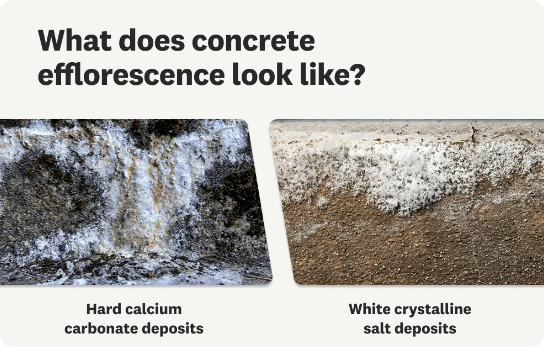
The white residue that forms on terracotta pots is commonly referred to as efflorescence. This is a natural process in which soluble salts in water migrate to the surface of porous materials like terracotta, leaving behind a powdery, white substance as the water evaporates. Although efflorescence is not harmful, it can diminish the visual appeal of terracotta pots and create concerns among customers regarding the pot’s quality.
As a B2B purchaser, it’s important to understand that efflorescence is a common occurrence, especially in humid environments or regions with high mineral content in water. It is not an indication of poor product quality but rather a natural characteristic of terracotta as a material.
Understanding the Causes of Efflorescence in Terracotta Pots
Several factors contribute to the formation of white residue on terracotta pots. By understanding these factors, you can take proactive steps to minimize efflorescence and educate your customers on proper pot care.
1. Minerals in Water
One of the primary reasons for the white buildup on terracotta pots is the mineral content in the water used to hydrate the plants. When plants are watered, especially with hard water (water containing high levels of calcium, magnesium, or other minerals), the minerals seep into the porous terracotta material. As the water evaporates, these minerals are left behind on the pot’s surface, forming a white crust.
For B2B purchasers selling to customers in regions with hard water, it is advisable to inform them about this potential issue and recommend alternative watering methods, such as using distilled or rainwater.
2. Fertilizers
Another contributing factor is the use of fertilizers, especially those containing high amounts of salts. When plants are watered after being fertilized, the excess salts can also accumulate in the terracotta material and appear as white deposits once the water evaporates.
For businesses catering to gardeners and plant enthusiasts, you may want to provide educational materials or instructions on proper fertilization techniques to minimize this issue.
3. Porosity of Terracotta
Terracotta is naturally porous, which allows air and water to pass through the pot walls. While this characteristic benefits plant health by promoting good drainage and breathability, it also makes terracotta susceptible to absorbing salts and minerals from water and soil. As these substances move through the porous material, they can accumulate on the surface, leading to the formation of white residue.
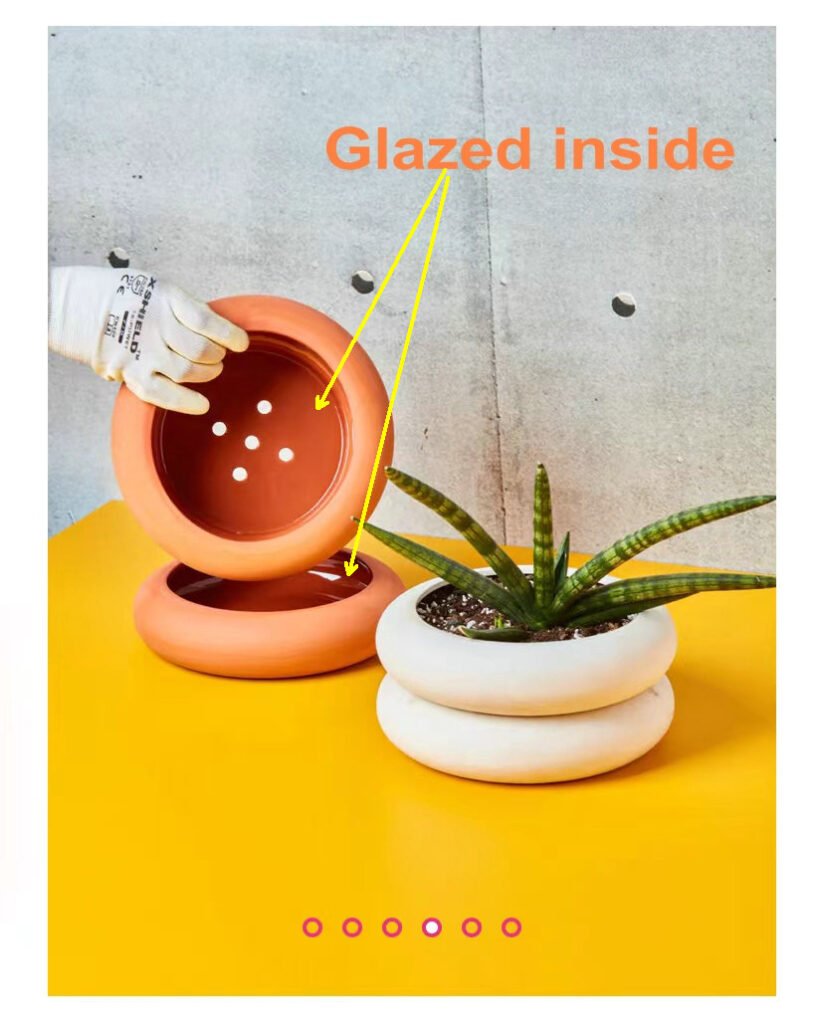
Efflorescence can be more pronounced in regions with high humidity, as moisture in the air accelerates the movement of salts through the pot. B2B buyers targeting such markets should consider offering solutions like sealed or glazed terracotta pots, which can reduce porosity and minimize efflorescence.
Does the White Residue Affect the Quality of Terracotta Pots?
From a functional standpoint, the white residue on terracotta pots is not harmful. It does not affect the structural integrity or durability of the pot, nor does it have any negative impact on the plants growing inside. However, the aesthetic appeal of terracotta pots can be compromised, which may affect customer satisfaction, particularly if the pots are used for decorative purposes.
For B2B purchasers, this issue can lead to customer complaints or returns if not properly addressed. Offering solutions or preventive measures, such as sealing the pots or providing care instructions, can go a long way in maintaining customer satisfaction and reducing product returns.
How to Prevent Terracotta Pots from Turning White
To address the concerns of customers and reduce the likelihood of efflorescence, here are some practical solutions that B2B buyers can implement or recommend to their customers.
How to Clean Terra Cotta Pots l How to Remove White Stuff from Terra Cotta Planters
1. Sealing Terracotta Pots
One of the most effective ways to prevent efflorescence is to seal the pots before use. A sealant creates a barrier on the surface of the terracotta, reducing its porosity and preventing water and salts from seeping through. Sealed terracotta pots retain their breathability while minimizing the risk of white residue buildup.
If your customers are particularly concerned about the appearance of efflorescence, offering sealed or pre-treated terracotta pots can be an excellent value proposition. You can work with manufacturers to produce pots with this feature or provide sealants as an add-on product.
2. Using Distilled or Rainwater
As mentioned earlier, hard water is a significant cause of efflorescence due to its high mineral content. Recommending the use of distilled or rainwater to your customers can reduce the buildup of minerals in terracotta pots. While this may not be a feasible solution for all customers, it is worth suggesting for those looking to maintain the pristine appearance of their pots.
For bulk purchasers, particularly those in areas with hard water, offering educational materials on proper watering techniques or including this information on product packaging can help address this issue.
3. Lining the Interior of the Pot
Lining the inside of terracotta pots with a non-porous material, such as plastic or a thin layer of wax, can also help prevent efflorescence. This technique creates a barrier between the potting soil and the terracotta, reducing the movement of salts and minerals through the pot walls.
As a B2B buyer, you can offer lined terracotta pots as a premium product to customers who prioritize aesthetics and want to minimize maintenance.
4. Proper Fertilization
Advising customers on proper fertilization techniques can also reduce the occurrence of efflorescence. Over-fertilizing plants can lead to an excess of salts in the soil, which contributes to white residue buildup. Encouraging customers to use slow-release fertilizers or to dilute liquid fertilizers can help mitigate this issue.
For B2B buyers, offering plant care guides or collaborating with fertilizer brands to provide bundled products can enhance customer satisfaction and position your business as a trusted source of gardening solutions.
How to Remove White Residue from Terracotta Pots
If efflorescence has already formed on terracotta pots, it can be easily removed with a few simple steps. Offering these cleaning tips to your customers can help maintain their satisfaction with your products and reduce the likelihood of returns.
1. Scrubbing with a Brush
A soft brush or sponge can be used to scrub off the white residue from terracotta pots. Dipping the brush in a solution of water and vinegar (in equal parts) helps dissolve the mineral deposits, making them easier to remove.
2. Soaking in Vinegar
For more stubborn white stains, soaking the terracotta pot in a solution of vinegar and water for about 30 minutes can loosen the mineral buildup. After soaking, the pot can be scrubbed clean with a brush.
3. Rinsing and Drying
After scrubbing, it’s essential to rinse the pot thoroughly with clean water to remove any remaining vinegar or salt residue. Let the pot dry completely before using it again. This process can be repeated as needed to keep terracotta pots looking fresh and clean.
Conclusion
Terracotta pots are beloved for their natural charm, breathability, and suitability for a wide range of plants. However, the formation of white residue due to efflorescence is a common issue that B2B buyers must understand and address to meet customer expectations. While this phenomenon does not affect the structural integrity or functionality of terracotta pots, it can detract from their visual appeal.
As a B2B purchaser, offering solutions such as sealed pots, providing care instructions, and educating your customers on proper watering and fertilization techniques can significantly enhance their satisfaction with your products. By proactively addressing the issue of white residue, you can reduce product returns and build stronger relationships with your customers, ultimately driving more sales for your business.
At HalePlanter, we understand the importance of delivering high-quality terracotta pots that meet the needs of both retailers and end customers. Our range of terracotta products is designed to balance functionality with aesthetics, ensuring that you receive pots that not only promote healthy plant growth but also maintain their beautiful appearance over time. Contact us today to learn more about our product offerings and how we can support your business with customized solutions.
