
Choosing the right planter is critical for plant health and aesthetic appeal, whether for personal gardening or commercial landscaping projects. With numerous options available, understanding the most common planter types can help businesses and individuals make informed choices. In this article, we delve into the most popular planter materials, their benefits, and how to select the ideal option for various needs.
- Types of Planters: An Overview
- Terracotta Planters: Classic and Breathable
- Ceramic Planters: Versatile and Stylish
- Plastic Planters: Lightweight and Affordable
- Comparison Table: Terracotta vs. Ceramic vs. Plastic
- Metal and Wooden Planters: Niche Applications
- The Most Common Type: Plastic Planters
- Conclusion: Choosing the Right Planter
Types of Planters: An Overview
Planters are typically categorized by their material, each with unique advantages and applications. Among the most common types are:
- Terracotta Planters
- Ceramic Planters
- Plastic Planters
- Metal Planters
- Wooden Planters
Let’s explore each type in detail, comparing their features to determine the most widely used option.
Terracotta Planters: Classic and Breathable
Terracotta, derived from baked clay, is celebrated for its earthy, rustic charm. These planters are ideal for plants requiring excellent drainage and breathability, such as succulents and cacti.

Advantages:
- Natural and aesthetic appeal.
- Porous material prevents overwatering.
- Affordable and widely available.
Disadvantages:
- Fragile and prone to cracking.
- Retains less moisture, requiring frequent watering.
Market Insights: Terracotta remains a favorite among traditional gardeners but has seen competition from more modern materials.
Ceramic Planters: Versatile and Stylish
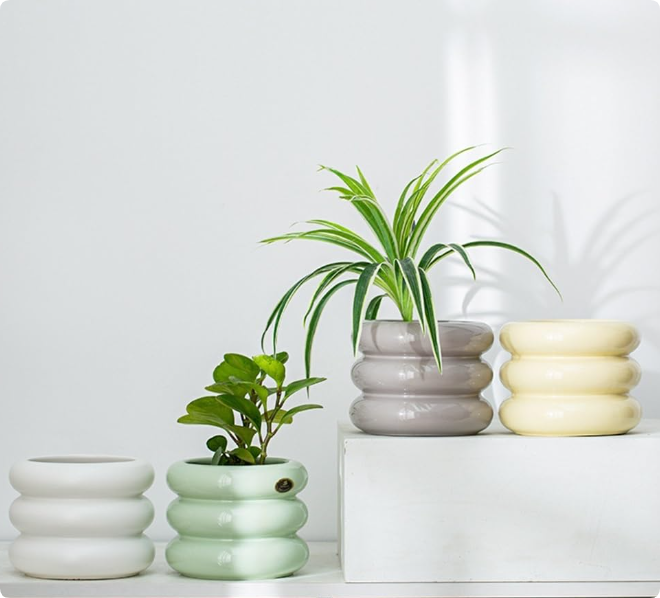
Ceramic planters are glazed for a polished look, offering a balance of functionality and design. They are suitable for both indoor and outdoor use.
Advantages:
- Durable and weather-resistant.
- Available in a wide range of colors and shapes.
- Retains moisture, reducing watering frequency.
Disadvantages:
- Heavier and less portable.
- More expensive compared to terracotta.
Market Insights: Ceramic planters are increasingly popular for home decor, blending well with modern interiors.
Plastic Planters: Lightweight and Affordable
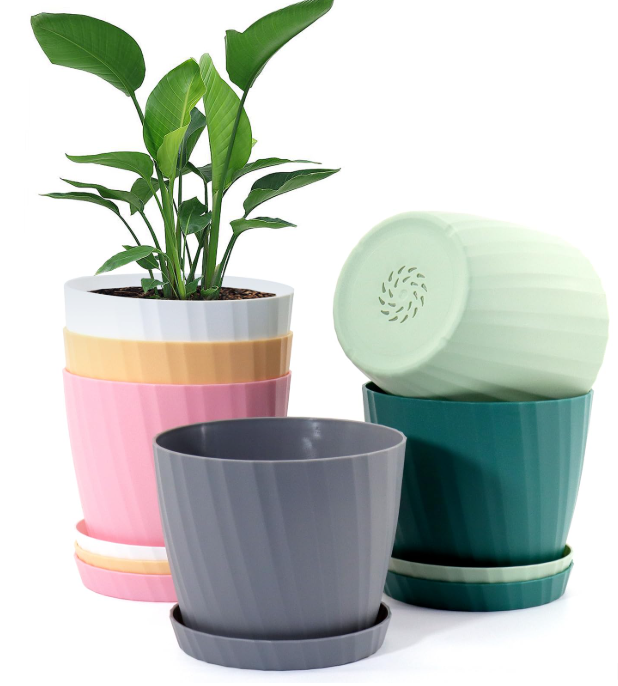
Plastic planters are among the most commonly used due to their versatility and cost-effectiveness.
Advantages:
- Lightweight and portable.
- Resistant to weather and damage.
- Affordable and available in various designs.
Disadvantages:
- Less eco-friendly.
- Can appear less premium compared to ceramic or terracotta.
Market Insights: Plastic planters dominate the market for casual gardeners and large-scale landscaping projects.
Comparison Table: Terracotta vs. Ceramic vs. Plastic
| Feature | Terracotta | Ceramic | Plastic |
|---|---|---|---|
| Durability | Moderate (brittle) | High | High |
| Weight | Medium | Heavy | Light |
| Cost | Low | High | Low |
| Design Variety | Moderate | High | High |
| Environmental Impact | Eco-friendly | Moderate | Low |
Metal and Wooden Planters: Niche Applications
Metal and wooden planters serve specialized roles, often for decorative or specific gardening needs. While durable and stylish, they are less common than terracotta, ceramic, or plastic.
Metal Planters:
- Sleek, modern aesthetic.
- Heat conductive, potentially harming plants in direct sunlight.
Wooden Planters:
- Rustic and natural look.
- Requires maintenance to prevent rotting.
The Most Common Type: Plastic Planters
Based on affordability, versatility, and widespread usage, plastic planters are the most common type. They cater to diverse needs, from urban gardening to large-scale commercial landscaping.
Why Plastic Planters Dominate:
- Accessibility: Affordable and mass-produced.
- Practicality: Lightweight and easy to transport.
- Adaptability: Available in various sizes, shapes, and colors.
Conclusion: Choosing the Right Planter
While plastic planters lead in popularity, the “best” type depends on your specific needs. For eco-conscious gardening, terracotta or wooden planters may be preferable. Ceramic planters are ideal for aesthetic-focused interior decor, while metal planters suit modern, industrial themes.
When selecting planters for your projects, consider factors like plant type, environment, and budget. For businesses looking to source quality planters, Hale Planter offers a range of customizable options to suit various applications.
By understanding the benefits and drawbacks of each material, you can make informed decisions that enhance your plants’ growth and elevate your space’s design.
Choosing the most common planter involves understanding material properties, market preferences, and design trends. Hale Planter offers the expertise and product range necessary to address these factors, ensuring your procurement decisions lead to satisfied end customers.
For more insights, visit Hale Planter and explore their comprehensive catalog today.
