
In the realm of plant pots, two terms are often confused: clay pots and terracotta pots. While they might seem synonymous, there are key differences in their composition, manufacturing processes, and market applications, particularly for B2B purchasers. Understanding these differences is essential for making informed procurement decisions in industries such as gardening, horticulture, and interior design.
This article, tailored for large-scale and small-batch B2B purchasers, will dive into the critical distinctions between clay and terracotta pots from the perspective of a ceramic planter manufacturer, focusing on raw materials, manufacturing methods, performance, and market suitability.
1. Understanding Clay Pots
Clay pots are a broad category that includes various types of natural and synthetic materials. The term “clay” encompasses many kinds of earthy materials used to make ceramics, such as kaolin, ball clay, fire clay, and stoneware. These materials are shaped and then fired to create pots with varying degrees of porosity, color, and strength.
Types of Clay Used in Pots:
- Kaolin: Known for its white color, this is the primary material for porcelain.
- Ball Clay: Highly plastic and often used in combination with other clays to increase strength.
- Fire Clay: Resistant to high temperatures, often used in making bricks and refractory materials.
- Stoneware: A durable type of clay used in pots that are fired at high temperatures, resulting in a non-porous finish.
Characteristics of Clay Pots:
- Versatility: Clay pots can be molded into a variety of shapes and sizes, making them suitable for numerous applications, from decorative flowerpots to larger planters.
- Durability: Depending on the type of clay used, these pots can have high strength and resistance to environmental wear and tear.
- Aesthetic Variety: Clay pots can be glazed or unglazed, and they are available in a wide range of colors, which appeals to various market segments.
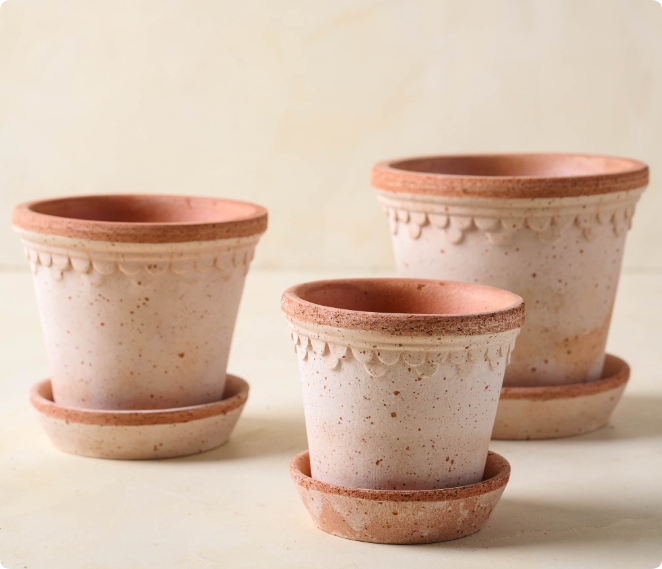
However, not all clay pots are made equal. The type of clay and the firing temperature greatly influence the final product’s characteristics. For example, stoneware pots, fired at higher temperatures, are more durable and less porous than those made from low-fired clays.
2. What are Terracotta Pots?
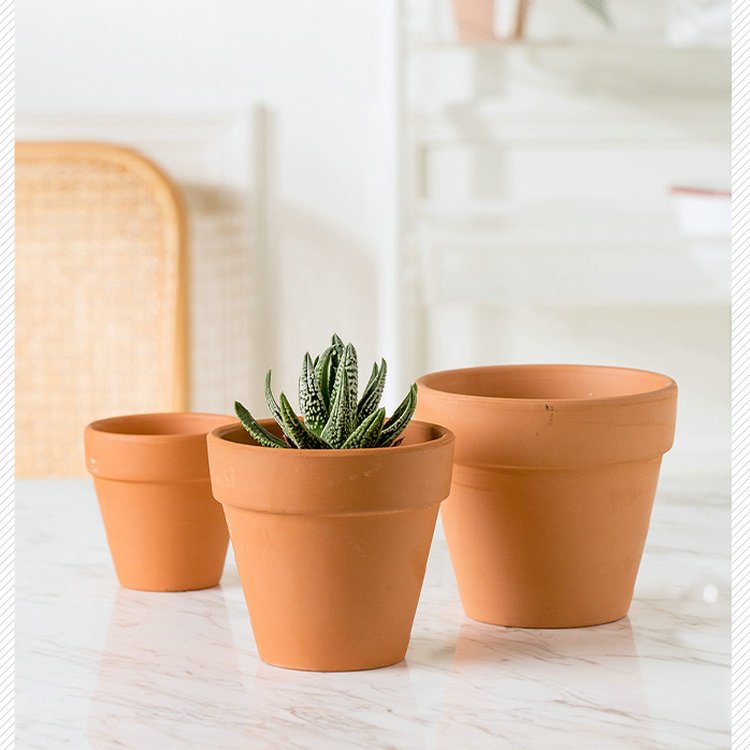
Terracotta is a specific type of clay that is used to make a particular kind of pot. The term “terracotta” means “baked earth” in Italian, and terracotta pots are known for their reddish-brown hue. Terracotta is a porous, unglazed form of fired clay that is typically composed of a mix of iron-rich clays, which gives it its characteristic color.
Characteristics of Terracotta Pots:
- Porosity: Terracotta pots are highly porous, which allows water and air to pass through the walls of the pot, facilitating healthy root growth for plants like succulents.
- Natural Aesthetic: The warm, earthy tones of terracotta are favored for their natural look, which complements outdoor and indoor settings alike.
- Lightweight and Fragile: While terracotta is generally lighter than other types of clay, it is also more prone to cracking and breaking, especially in colder climates where water trapped in the pot can freeze and expand.
- Simplicity: Unlike other clay pots, terracotta is almost always unglazed, preserving its raw and natural texture.
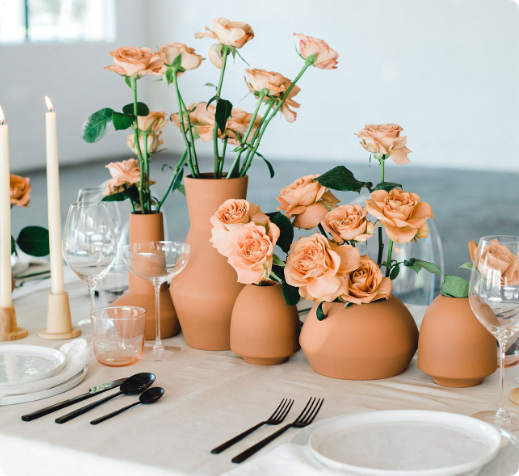
3. Key Differences Between Clay Pots and Terracotta Pots
a. Material Composition
- Clay Pots: Can be made from a variety of clays, including kaolin, stoneware, and fire clay. These materials are selected based on the desired durability, porosity, and aesthetic of the final product.
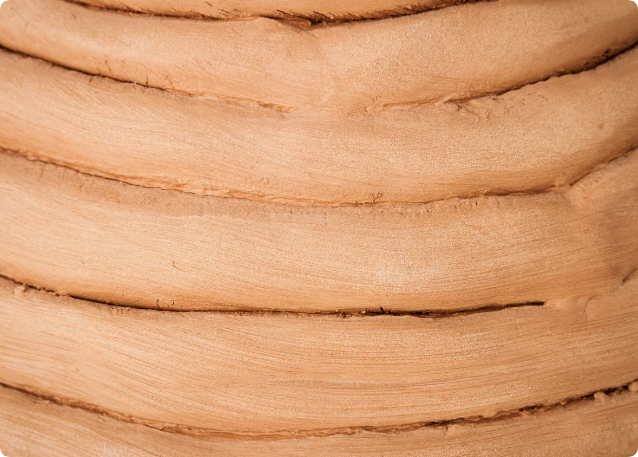
- Terracotta Pots: Specifically made from iron-rich clays that are fired at relatively low temperatures. The result is a porous, reddish-brown pot with a distinct appearance.
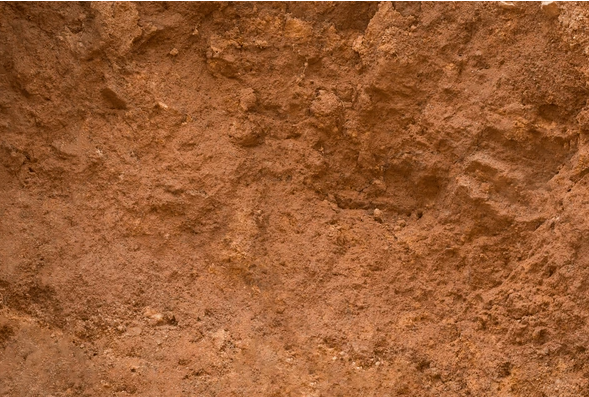
b. Firing Temperatures
- Clay Pots: Depending on the type of clay used, the firing temperature can range from low-fire to high-fire, resulting in different levels of durability and porosity. For example, stoneware is fired at high temperatures (above 1200°C), making it non-porous and highly durable.
- Terracotta Pots: Fired at lower temperatures (typically between 1000°C and 1100°C), making them more porous and less durable than high-fired clays.
c. Porosity
- Clay Pots: The porosity depends on the type of clay and firing temperature. Low-fired clay pots tend to be more porous, while high-fired pots like stoneware are less so.
- Terracotta Pots: Always porous, allowing water and air to move freely through the pot. This porosity makes terracotta ideal for plants that prefer drier conditions, but it also means that terracotta pots can dry out quickly.
d. Durability
- Clay Pots: The durability of a clay pot varies greatly. High-fired stoneware pots are extremely durable and resistant to environmental damage, while low-fired clay pots may be more prone to cracking.
- Terracotta Pots: More fragile due to their porosity and lower firing temperatures. They are also susceptible to damage from freezing and thawing cycles, making them less suitable for colder climates.
e. Aesthetic Appeal
- Clay Pots: Come in a wide range of colors and finishes, including glazed and unglazed options. This variety allows for more customization in terms of aesthetics.
- Terracotta Pots: Known for their uniform, reddish-brown color. While they are often favored for their simplicity and natural look, they offer less aesthetic variety than other clay pots.
4. Market Suitability for B2B Purchasers
For B2B purchasers, the decision between clay pots and terracotta pots depends on various factors, including market demand, product longevity, and environmental considerations.
a. Target Markets for Clay Pots
- Garden Centers and Nurseries: Clay pots, especially stoneware and porcelain, offer high durability, making them suitable for premium markets where longevity and aesthetic variety are valued.
- Interior Design Firms: Glazed clay pots with sleek finishes are popular among designers looking for modern, polished looks.
- Hospitality and Commercial Spaces: Durable, high-fired clay pots are often chosen for hotels, offices, and public spaces due to their resilience and ability to be customized to fit a brand’s aesthetic.
b. Target Markets for Terracotta Pots
- Home Gardeners and Nurseries: Terracotta’s porosity makes it a favorite for succulent enthusiasts and home gardeners who value breathability and a natural look.
- Landscape Designers: The rustic charm of terracotta pots appeals to designers working on outdoor projects or Mediterranean-themed landscapes.
- Export Markets: Terracotta’s universal appeal and lightweight design make it a popular choice for international markets, particularly in warm and dry climates.
5. Environmental and Economic Considerations
a. Sustainability
Clay pots, especially those made from natural, high-fired materials like stoneware, are environmentally friendly as they last longer and can often be recycled. Terracotta pots, while also made from natural materials, have a shorter lifespan due to their fragility and may not offer the same level of sustainability for buyers looking for long-term investments.
b. Cost
For B2B buyers, cost is always a factor. Terracotta pots are generally more affordable due to their simple production process and low firing temperatures. Clay pots, particularly those made from higher-quality clays and fired at higher temperatures, tend to be more expensive but offer a longer lifespan and more aesthetic options.
6. Practical Tips for B2B Procurement
a. Selecting the Right Pot for Your Market
- Consider the climate: If selling to colder regions, high-fired clay pots are more durable and resistant to cracking.
- Evaluate the plant types: Terracotta is ideal for drought-tolerant plants like succulents, while less porous clay pots are better for plants requiring consistent moisture.
- Balance aesthetics and durability: If your market values variety and customization, clay pots offer more flexibility in terms of design and finishes.
b. Negotiating Bulk Purchases
- Work with manufacturers who can offer customization: Custom sizes, finishes, and branding options are often key for large-scale projects.
- Consider lead times: Terracotta pots are typically quicker to produce than high-fired clay pots due to the lower temperatures and simpler processes involved.
Conclusion
For B2B purchasers in the gardening and interior design industries, understanding the differences between clay pots and terracotta pots is crucial for making informed buying decisions. While terracotta pots offer affordability, simplicity, and natural aesthetics, clay pots provide greater durability, aesthetic variety, and suitability for premium markets.
By considering the specific needs of your target market—whether it’s nurseries, landscape designers, or hospitality chains—you can select the pot type that offers the best balance of cost, durability, and design.
At Hale Planter, we provide a wide range of both clay and terracotta pots to suit the diverse needs of our B2B clientele. From high-quality stoneware to lightweight terracotta, our pots are crafted with precision to meet the demands of large-scale buyers. Contact us today to discuss how we can support your next procurement project.
