
As the global demand for indoor and outdoor greenery grows, so does the variety of containers available to house these plants. While terms like “planter” and “plant pot” are often used interchangeably, there are subtle but significant differences that affect how businesses should approach their procurement strategies. In this article, we will break down the distinctions between planters and plant pots, highlighting their unique features, materials, and market applications.
1. Defining the Terms: Planter vs. Plant Pot
At first glance, both planters and plant pots seem to serve the same basic function—holding plants. However, the key difference lies in their design, use, and typically their size.
- Planter: A planter is generally larger, designed for multiple plants, or even small trees. It often has a decorative role, used in both indoor and outdoor spaces, and can vary significantly in shape and material. Planters may have more intricate designs and are often integrated into landscape or interior design projects.
- Plant Pot: A plant pot, on the other hand, is usually smaller and is intended to house a single plant. It is more practical and functional, with a simpler design that emphasizes portability and suitability for repotting plants. Plant pots are commonly used for smaller indoor plants, succulents, and flowers.


2. Differences in Materials and Designs
The material and design of a planter or plant pot can greatly affect the plants’ health and growth, as well as the aesthetic of the space. Hale Planter offers a variety of materials for both planters and plant pots, each suited for different uses.
| Feature | Planter | Plant Pot |
|---|---|---|
| Size | Larger, for multiple plants or small trees | Smaller, for individual plants |
| Design | More decorative, integrated into landscaping | Simple and practical, focused on function |
| Material | Concrete, ceramic, terracotta, metal | Ceramic, plastic, terracotta |
| Drainage | Often includes drainage features | May or may not include drainage |
| Weight | Heavier due to size and material | Lighter and easier to move |
| Application | Ideal for both indoor and outdoor settings | Mostly used indoors or on small balconies |
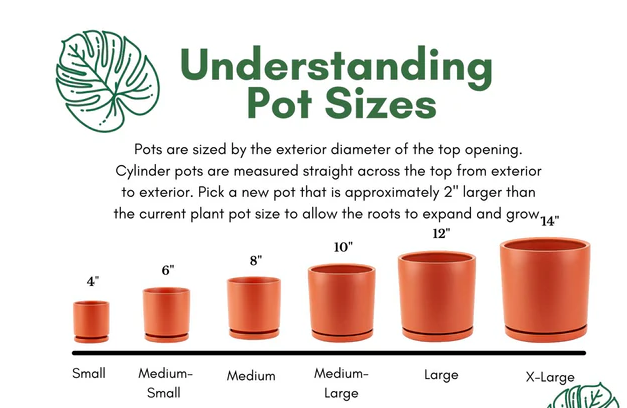
Planter Size

Planter Pots Size
3. Planters for Commercial Use: Targeting Supermarkets and Retailers
For large-scale buyers like supermarkets or garden centers, planters are often a preferred choice. Due to their larger size and decorative appeal, they provide more flexibility for displaying a range of plants. For example, a supermarket can use a planter as a central display piece, housing multiple species that can draw customer attention.
Additionally, large planters made of durable materials such as ceramic or concrete are long-lasting, offering an excellent return on investment for B2B buyers. Hale Planter’s customizable ODM services allow for brand-specific designs, enabling retailers to offer unique planter products that stand out in their stores.
4. Plant Pots for Small Batch Purchasers: Tailored OEM Solutions
On the other hand, smaller retailers and e-commerce businesses tend to focus on plant pots due to their lower cost and ease of handling. With the rise of urban gardening and indoor plant trends, smaller plant pots are becoming increasingly popular. They are ideal for succulents, herbs, and decorative houseplants, which are often sold in compact containers.
For these buyers, Hale Planter’s OEM services allow customization in terms of size, color, and logo branding. Whether targeting niche markets like eco-friendly pots or minimalist designs for modern interiors, small-batch buyers benefit from the flexibility of OEM options.
5. Procurement Considerations for B2B Buyers
When choosing between planters and plant pots, B2B buyers should consider the following factors:
- Market Demand: Are your customers looking for large statement pieces for their gardens or compact pots for their indoor plants? Understanding customer preferences is key to choosing the right product line.
- Aesthetic vs. Functionality: Planters are often more aesthetically driven, while plant pots are focused on function. What is more important to your customers? Decorative value or practicality?
- Material and Durability: The material used will affect both the price and durability. For outdoor use, weather-resistant materials like ceramic or concrete are ideal, whereas indoor pots can be lighter and made of plastic or terracotta.
6. Global Trends and How They Influence Procurement
As a global supplier, Hale Planter keeps track of current trends in the home decor and gardening industry. Some recent trends that may influence purchasing decisions include:
- Sustainability: There is a growing demand for eco-friendly materials such as biodegradable pots and sustainably sourced ceramics.
- Urban Gardening: With the rise of apartment living, smaller plant pots that fit on windowsills or balconies are in high demand.
- Custom Designs: Retailers are increasingly looking for customizable products to differentiate themselves from competitors, driving up the demand for OEM solutions.
7. Conclusion
In summary, while planters and plant pots may seem similar, they serve distinct functions and cater to different market needs. Planters are larger, more decorative, and often used in commercial or outdoor settings, making them ideal for large-scale buyers like supermarkets. Plant pots are smaller, more functional, and suitable for individual plants, appealing to small-batch purchasers or e-commerce retailers.
For B2B buyers, understanding these differences is crucial in making informed purchasing decisions that align with customer demands. Whether you’re looking to place a large order for commercial planters or seeking a custom design for plant pots, Hale Planter offers tailored ODM and OEM services to meet your business needs.
