
The world of ceramic design has witnessed many innovations throughout history, but few have been as transformative as 3D printing. In 2025, 3D printing is no longer just a novelty—it’s a game changer for industries across the board, and the ceramic vase market is no exception. Whether you’re a home décor enthusiast, a global buyer, or a cross-border e-commerce seller, understanding how 3D printing is impacting ceramic vase design can help you stay ahead of the curve and make informed purchasing decisions.
The Emergence of 3D Printing in Ceramic Design
In recent years, 3D printing technology has evolved at an incredible pace. Traditionally, ceramic vases were crafted through mold-making or hand-thrown pottery, methods that are both time-consuming and labor-intensive. However, with the rise of 3D printing, the process has become faster, more flexible, and increasingly precise. This allows designers to experiment with complex shapes and intricate patterns that were previously impossible to achieve using conventional methods.
Unlike traditional ceramic production, which relies on molds and manual craftsmanship, 3D printing offers a level of customization and speed that revolutionizes how vases are made. It enables the creation of unique, bespoke designs that cater to specific consumer preferences, resulting in a highly personalized product line.
The Advantages of 3D Printing for Ceramic Vases
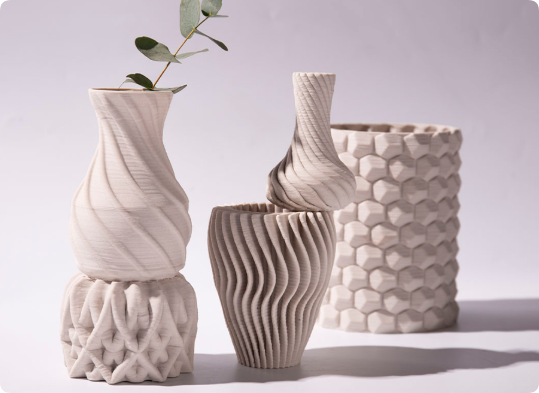
1. Customization and Design Freedom
One of the most significant advantages of 3D printing in ceramic vase design is the freedom it offers to designers. With traditional methods, creating intricate, one-of-a-kind shapes is time-consuming and costly. But with 3D printing, designers can instantly create highly detailed, customized designs, tailored to specific needs. Whether it’s a personalized gift or a designer piece for a luxury home, 3D printing can cater to the unique tastes of global buyers.
2. Faster Production Time
Time is money in today’s fast-paced market. 3D printing significantly reduces the production time compared to traditional techniques. The ability to produce prototypes quickly means designers can iterate and refine their ideas faster, leading to more efficient production cycles. This is particularly beneficial for global buyers and cross-border e-commerce sellers, as faster turnaround times mean products can reach market sooner.
3. Sustainability
Sustainability is a growing concern in the design and manufacturing industries, and ceramic vase production is no exception. With 3D printing, the material usage is more precise, reducing waste in the production process. This environmentally-friendly aspect is particularly appealing to businesses looking to appeal to eco-conscious consumers in 2025.
4. Complexity without Extra Cost
Creating complex, organic shapes with traditional methods often requires expensive molds and specialized labor. 3D printing eliminates these barriers, making it possible to create highly complex shapes at a lower cost. For example, vases that resemble intricate natural forms or geometric structures are now more accessible to a wider range of buyers.
Key Global Ceramic Vase Brands Embracing 3D Printing
The shift towards 3D printing in ceramic vase design isn’t limited to small-scale producers. Several high-profile global brands are already harnessing the power of this technology to create innovative, high-quality ceramic products. Below are five notable ceramic vase brands that are leveraging 3D printing in their designs:
| Brand Name | Country | Key Features | Example Product |
|---|---|---|---|
| Villeroy & Boch | Germany | Known for high-quality, elegant designs; embraces 3D printing for intricate textures. | The “Artisano” series, featuring geometric, intricate vase designs. |
| Royal Copenhagen | Denmark | Focuses on blending traditional craftsmanship with modern technology. | “Flora” collection, showcasing artistic and detailed 3D-printed floral designs. |
| Lladro | Spain | Combines porcelain artistry with 3D printing to create dynamic, contemporary vases. | “Nudes” collection, featuring abstract, 3D-printed porcelain vases. |
| Wedgwood | UK | Pioneering the use of 3D printing for both aesthetics and functionality in ceramics. | “Jasperware” 3D printed vases, with classical forms and innovative textures. |
| Porcelanosa | Spain | Known for cutting-edge designs and modern technology in ceramics. | “Elements” collection, featuring futuristic vases designed using 3D printing. |
These brands are incorporating 3D printing not only to push the boundaries of design but also to streamline their production processes. By blending innovation with craftsmanship, these companies are creating functional works of art that cater to the modern consumer’s desire for uniqueness and sustainability.
How 3D Printing Impacts the Global Ceramic Vase Market
As 3D printing becomes more widespread, its impact on the ceramic vase market is undeniable. For global buyers, this shift means a broader variety of products and more design options to choose from. From eco-conscious consumers seeking sustainable products to luxury buyers looking for bespoke pieces, 3D printing is making it easier than ever to meet diverse demands.
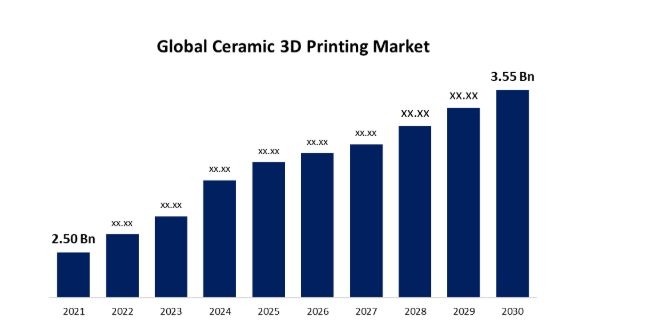
For cross-border e-commerce sellers, 3D printing presents an exciting opportunity to differentiate their offerings. Sellers can now offer a wider range of personalized products that appeal to various market segments. Moreover, the speed at which these products can be designed, prototyped, and produced gives e-commerce businesses a competitive edge in fast-moving online marketplaces.
How 3D Printing Enhances Consumer Experience
From a consumer perspective, 3D printing offers new ways to personalize their purchases. Whether it’s engraving a name on a vase or customizing its shape, the possibilities are endless. For home décor lovers and gift shoppers, 3D-printed ceramic vases offer the chance to own something that no one else has—a truly one-of-a-kind item.
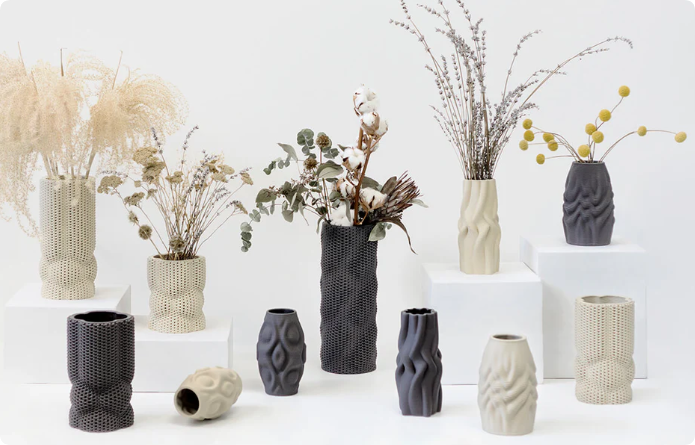
Moreover, with 3D printing, there’s no need for bulky inventories. Ceramic manufacturers can print products as needed, reducing storage costs and ensuring that each vase is produced with precision and care. This results in more affordable products without compromising on quality.
Frequently Asked Questions (FAQs)
Q: What are the benefits of 3D printing in ceramic vase design?
A: The main benefits include increased customization, faster production times, reduced material waste, and the ability to create more intricate designs at a lower cost.
Q: Are 3D-printed ceramic vases durable?
A: Yes, 3D-printed ceramic vases are made from high-quality materials and are just as durable as traditionally made ceramics. The printing process allows for precise control over the thickness and structure of the vases, ensuring strength and longevity.
Q: Can I personalize a 3D-printed ceramic vase?
A: Absolutely! One of the key advantages of 3D printing is the ability to personalize designs. Whether it’s adding a custom engraving or altering the shape, 3D printing allows for a high level of customization.
Q: How is 3D printing affecting the global ceramic vase market?
A: 3D printing is increasing the variety and availability of ceramic vases, enabling businesses to offer more personalized, innovative products. It’s also speeding up production times and helping businesses stay competitive in fast-paced markets.
Conclusion
In 2025, the fusion of 3D printing technology with ceramic vase design is reshaping the entire industry. Whether you’re a buyer looking for personalized pieces, a seller in need of unique inventory, or a designer experimenting with new forms, the possibilities are endless. As more companies around the world embrace 3D printing, the ceramic vase market will continue to evolve, offering new and exciting opportunities for consumers and businesses alike.
If you’re in the garden or home décor industry, consider partnering with manufacturers who can provide OEM and ODM services for 3D-printed ceramic products. With this technology, the future of ceramic design is not just bright—it’s limitless.
