
A Comprehensive Analysis about clay planter
1. Material Composition of Clay Pots
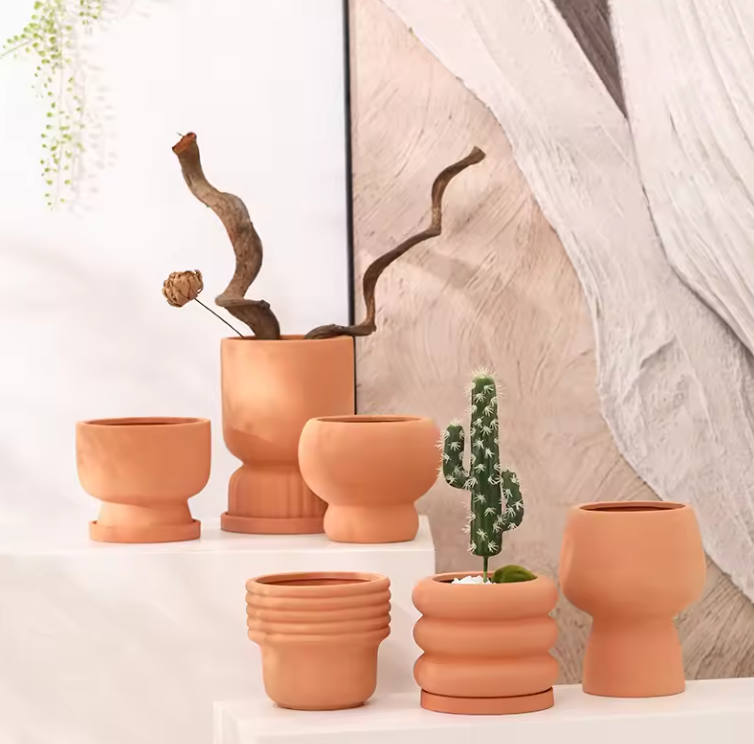
Clay pots are made from natural clay, which is fired at high temperatures to create a porous material. This porosity is one of the key benefits of clay pots, allowing for excellent air circulation and moisture regulation for plants. However, the same porosity that makes clay ideal for plant health also contributes to its brittleness. The firing process does not vitrify the clay completely, leaving it somewhat brittle compared to other ceramics, like stoneware or porcelain.
Clay, as a material, is naturally prone to micro-cracks and can be weakened by impurities in the clay or inconsistencies in firing. Even under ideal conditions, the intrinsic structure of clay can make it more susceptible to breaking when subjected to stress, compared to more durable materials like plastic or metal.
2. Factors Influencing Breakage of Clay Pots
While clay pots have a reputation for breaking more easily than some other materials, several factors determine the likelihood of breakage.
a. Impact and Shock Resistance
Clay pots are vulnerable to physical impacts. Dropping or bumping a clay pot can result in cracks or complete breakage. The rigidity of the material means it does not absorb shocks well, and small impacts that might not damage other materials can cause substantial damage to clay pots. The strength of a clay pot is also dependent on its thickness. Thicker pots may be more resistant to impact, but even they can crack under sufficient force.
b. Water Absorption and Freezing Temperatures
One of the most common causes of clay pot breakage is exposure to freezing temperatures. Because clay is porous, it absorbs water from the soil and the surrounding environment. When temperatures drop, the water absorbed by the pot freezes and expands, causing the pot to crack or break. This phenomenon, known as “frost shattering,” is particularly common in colder climates, making clay pots more vulnerable in outdoor gardens during the winter months.
To mitigate this risk, gardeners can move their clay pots indoors during freezing weather or choose frost-resistant clay pots that are specially treated or made from denser clay that absorbs less water.
c. Moisture Stress and Uneven Drying
Clay pots are subject to thermal expansion and contraction. If a pot is subjected to uneven drying or if the soil inside dries too quickly, the pot may develop cracks due to the stress caused by uneven expansion. This is particularly an issue in hot climates or when pots are exposed to direct sunlight for extended periods. Glazed clay pots are less susceptible to this problem, as the glaze reduces moisture absorption and helps regulate temperature fluctuations.
d. Manufacturing Quality
The manufacturing process of clay pots can significantly influence their durability. High-quality clay pots are fired at the correct temperature for the right amount of time to ensure optimal strength. Inconsistent or low-temperature firing can leave pots weaker and more prone to breakage. Handcrafted pots, which often undergo rigorous quality control, tend to be stronger than mass-produced ones made with less precision.
e. Weight and Planting Conditions
Clay pots are often heavier than their plastic counterparts, which can be both an advantage and a disadvantage. The weight provides stability, making them less likely to tip over in windy conditions or when top-heavy plants are planted in them. However, the increased weight also means that if a pot falls over, the impact is greater, increasing the likelihood of breakage. The weight can also make handling more cumbersome, leading to accidental drops.
Additionally, the type of plants grown in clay pots can impact their durability. Plants with extensive root systems that expand forcefully can exert pressure on the walls of the pot, causing cracks over time.
3. Preventing Breakage in Clay Pots
While clay pots are more fragile than some other materials, their susceptibility to breakage can be minimized through proper care and handling. Here are some steps that can help prolong the life of clay pots:
a. Proper Handling and Placement
Care should be taken when handling clay pots to avoid unnecessary drops or impacts. Placing pots on stable surfaces and using plant stands can help prevent accidents. When moving heavy pots, using support like a dolly or asking for assistance can minimize the risk of dropping them.
b. Glazing and Sealing
Choosing glazed clay pots can reduce the risk of moisture-related breakage, as the glaze makes the surface less porous and better able to withstand temperature fluctuations. Some gardeners also opt to seal the interior of unglazed clay pots with a waterproof sealant to prevent water absorption and reduce the risk of frost damage.
c. Use of Pot Feet
Pot feet or risers can elevate clay pots off the ground, promoting drainage and reducing the amount of water absorbed by the pot’s base. This can help prevent cracking, particularly in outdoor conditions where the pot might otherwise sit in standing water.

d. Winter Care
In areas prone to freezing temperatures, clay pots should be moved indoors or to sheltered areas during the winter. If moving the pots is not feasible, covering them with insulating materials like burlap or blankets can provide some protection from frost damage.
e. Regular Inspection
Inspecting clay pots regularly for signs of cracks or weakness can prevent sudden breakage. Small cracks can sometimes be repaired using specialized adhesives, although the structural integrity of the pot may be compromised over time.
4. Comparing Clay Pots to Other Materials
To understand whether clay pots break easily, it is useful to compare them to alternative materials commonly used for plant pots, such as plastic, ceramic, metal, and concrete.
a. Plastic Pots
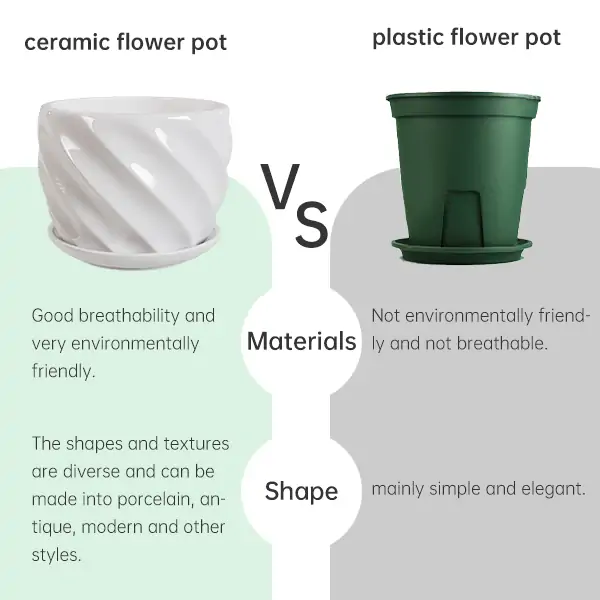
Plastic pots are generally more durable and less likely to break from impacts than clay pots. However, plastic can become brittle over time, especially when exposed to sunlight and extreme temperatures. Plastic pots are lightweight, which makes them more susceptible to tipping over, though they are less likely to suffer damage if they do fall.
b. Ceramic and Glazed Pots
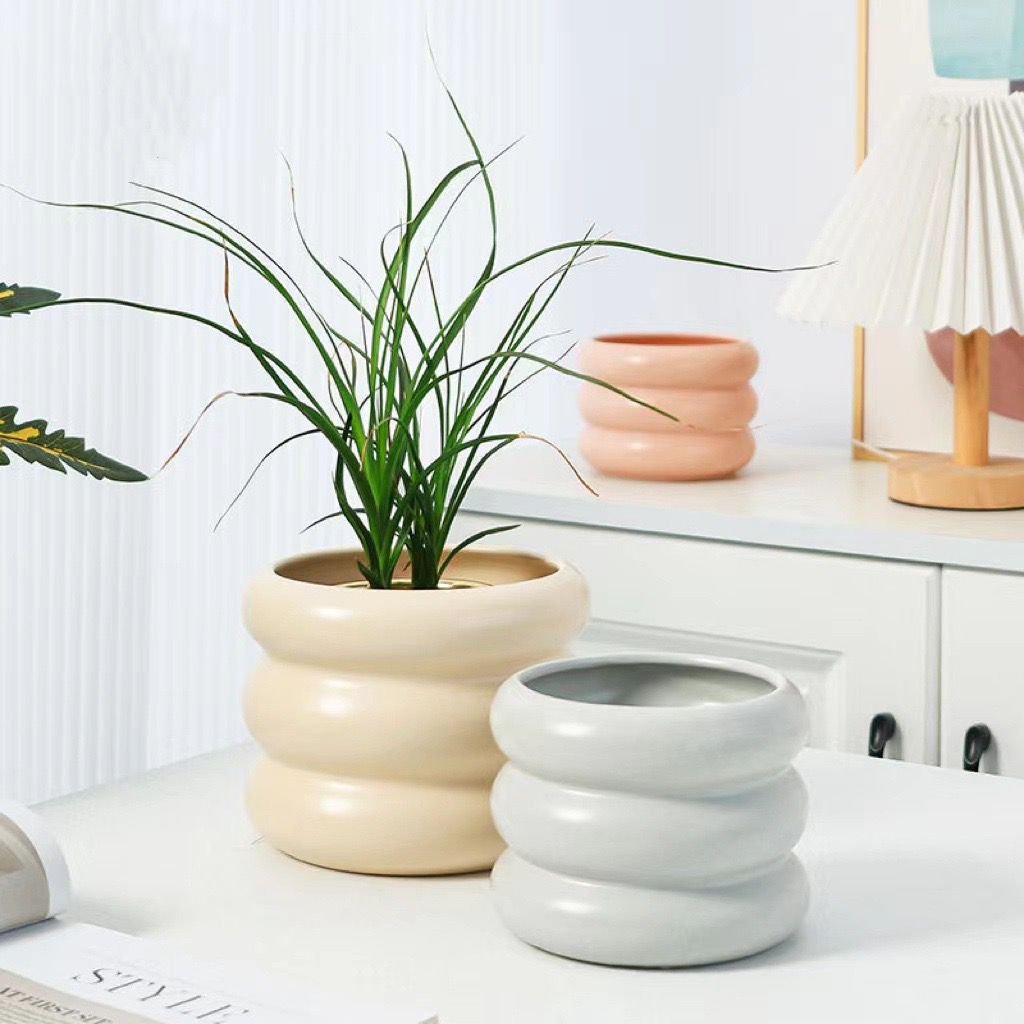
Ceramic pots, especially those that are fully glazed, are less porous and more resistant to moisture-related cracking. However, they can still break easily if dropped or exposed to freezing temperatures. Glazed pots are often heavier and stronger than unglazed clay pots, but they share many of the same vulnerabilities.
c. Metal Pots
Metal pots, particularly those made from materials like steel or aluminum, are highly durable and resistant to breakage. However, they can be prone to rusting, and extreme temperatures can cause the metal to expand or contract, potentially damaging plants.
d. Concrete Pots
Concrete pots are extremely durable and resistant to breaking. They are heavy, making them stable and less likely to tip over. However, their weight can also be a drawback when it comes to moving or handling them. Concrete pots are often used in public spaces or for large plants due to their robustness.
5. Conclusion: Do Clay Pots Break Easily?
In conclusion, while clay pots do have a tendency to break more easily than some other materials, this does not mean they are inherently fragile or unsuitable for gardening. Their breakability is influenced by a variety of factors, including their material composition, the environment in which they are used, and how they are handled.
Clay pots offer many advantages, particularly for plant health, due to their breathability and aesthetic qualities. With proper care, including protection from extreme temperatures, careful handling, and regular maintenance, clay pots can last for many years. However, gardeners should be aware of their limitations and take steps to prevent common causes of breakage, such as impact damage and frost shattering.
For those who appreciate the natural beauty and functional benefits of clay pots, the occasional risk of breakage may be a worthwhile trade-off. Ultimately, understanding the factors that affect the durability of clay pots allows gardeners to make informed decisions about their use, ensuring that these timeless containers continue to enhance gardens for years to come.
