
When it comes to crafting high-quality ceramic vases, one factor often overlooked by buyers and even some artisans is the type of clay used in their production. The choice of clay significantly influences the final product’s appearance, durability, texture, and even its ability to hold water. For ceramic vase manufacturers, selecting the right clay is not just about aesthetics but also about functionality, cost-effectiveness, and meeting market demands. In this blog, we will explore how different types of clay affect the quality of ceramic vases, offering a comparison to help manufacturers and buyers make informed decisions.
Understanding the Role of Clay in Ceramics
Clay is a naturally occurring material composed of minerals like kaolinite, montmorillonite, and illite. Its properties—plasticity, texture, and how it reacts to heat—determine the final result of the ceramic piece. There are different types of clay used in ceramics, each with unique characteristics that make them suitable for various applications. The most commonly used clays in ceramic vases include:
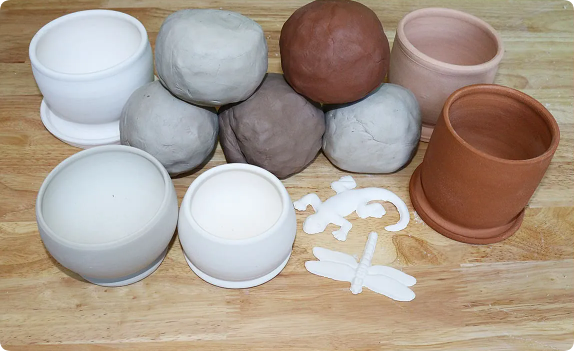
- Earthenware Clay
- Stoneware Clay
- Porcelain Clay
- Kaolin Clay
Each type of clay offers distinct advantages and challenges in the process of making ceramic vases. Let’s dive into how the choice of clay impacts the final product.
Impact on Aesthetics: Color and Texture
One of the first considerations when selecting clay is how it will influence the look of the ceramic vase. The color of the clay body affects the final glaze appearance and whether the piece will need to be glazed at all.
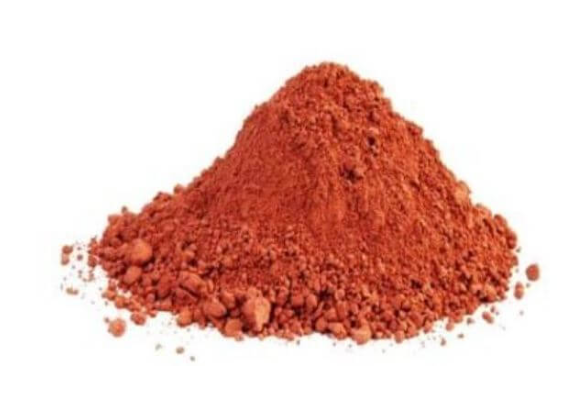
- Earthenware Clay tends to have a red, brown, or orange hue due to the iron content. This makes it ideal for rustic or Mediterranean-style vases, where natural, earthy tones are desired.
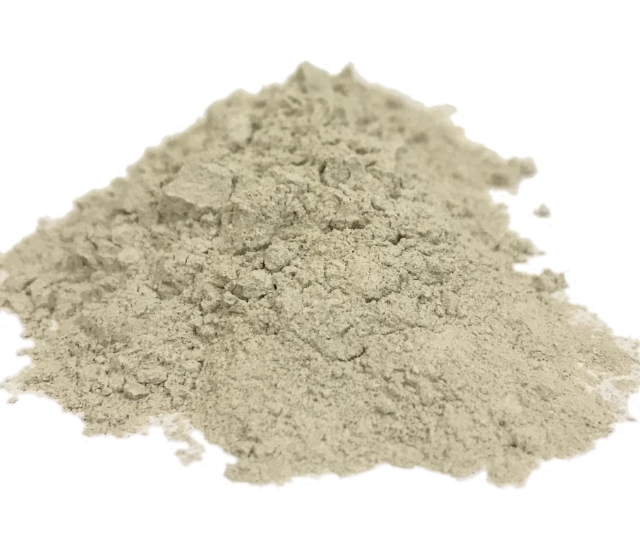
- Stoneware Clay is typically gray or brown and often produces vases with a more refined, earthy appearance. Its texture is more uniform compared to earthenware, making it suitable for both traditional and modern designs.
- Porcelain Clay, known for its fine texture and whiteness, is often used for high-end or luxury ceramic vases. Its smooth, refined surface gives porcelain vases a polished, elegant look that is hard to match.
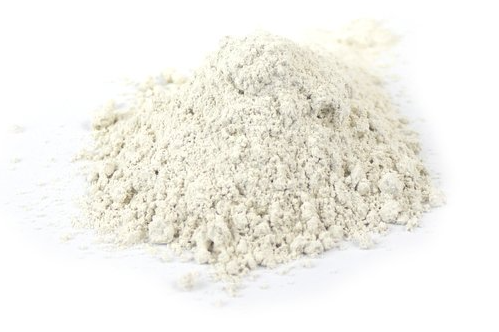
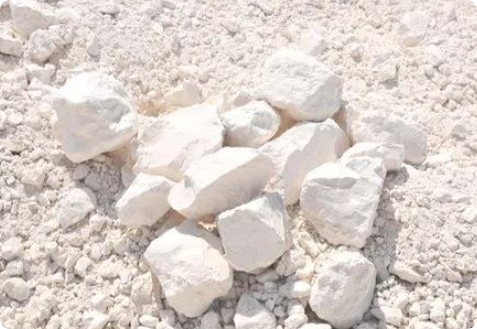
- Kaolin Clay, a type of white clay, is the primary component of porcelain. It offers a bright white finish and is highly regarded for creating fine, delicate vases with translucent qualities.
Aesthetic Comparison Table:
| Type of Clay | Color | Texture/Finish | Ideal Use/Style |
|---|---|---|---|
| Earthenware | Red, Brown, Orange | Coarse, Porous | Rustic, Traditional |
| Stoneware | Gray, Brown | Smooth, Slightly Grainy | Contemporary, Modern |
| Porcelain | White, Ivory | Smooth, Translucent | Luxury, Fine Art Vases |
| Kaolin | Bright White | Fine, Smooth | High-end, Delicate Pieces |
Impact on Durability
The type of clay you choose for ceramic vases also directly impacts the durability of the finished piece. The strength of the clay determines how well the vase can withstand everyday handling, temperature changes, and moisture.
- Earthenware Clay is softer and more porous than other types of clay, making it prone to chipping and cracking. It’s less durable than stoneware or porcelain, but it can be more affordable for manufacturers, which is why it is often used for mass-produced vases.
- Stoneware Clay is denser and more durable, with a smooth surface that holds up better against wear and tear. It is less porous than earthenware, making it more resistant to moisture and environmental changes.
- Porcelain Clay is the most durable and least porous of the clays mentioned. It is strong and resistant to cracking, making it ideal for high-end, functional vases that need to last for years.
- Kaolin Clay is naturally strong but can be more brittle when fired at high temperatures, especially if not properly tempered. It’s ideal for delicate, finely crafted vases but requires more careful handling during the production process.
Impact on Functionality: Water Retention and Stability
When using ceramic vases for their intended purpose—holding flowers or water—the clay’s porosity and structure play a significant role. Some clays are more moisture-resistant than others, which affects their ability to hold water for extended periods without deteriorating.
- Earthenware has high porosity, meaning it can absorb water. While this can be an advantage for certain decorative purposes (such as creating rustic, organic looks), it can cause issues if you intend to use the vase to hold water for an extended period. Over time, moisture can seep through, potentially weakening the vase.
- Stoneware has a lower porosity and can retain water more effectively. It strikes a balance between aesthetic appeal and practical functionality, making it a popular choice for everyday use.
- Porcelain is less porous and does not absorb water as easily, which makes it perfect for functional vases that need to hold water without any risk of leakage. This property also makes porcelain vases less prone to staining.
- Kaolin Clay, often used in porcelain, shares similar water resistance qualities, making it ideal for creating non-porous, elegant vases that maintain their integrity when exposed to moisture.
Cost Considerations
Cost is another important factor when selecting the type of clay. While some clays may produce more luxurious products, they also tend to be more expensive to source, process, and fire.
- Earthenware is the most affordable clay. Its relative abundance and lower firing temperatures make it a cost-effective choice for manufacturers producing large quantities of vases.
- Stoneware is moderately priced, with a balance of affordability and durability, making it ideal for mid-range vases.
- Porcelain and Kaolin Clay are the most expensive options, requiring higher firing temperatures and specialized equipment. However, their refined appearance and durability justify the higher cost for luxury or bespoke vase collections.
Firing Temperature and Process
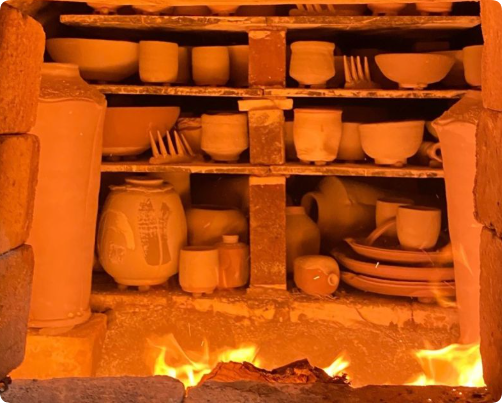
The firing process is crucial in determining the final quality of the ceramic vase. The firing temperature varies significantly depending on the type of clay used:
- Earthenware is typically fired at lower temperatures (around 1,000 to 1,150°C). This is why earthenware clays tend to have a more porous and softer finish, which is ideal for rustic or decorative pieces but not for functional vases that require durability.
- Stoneware requires a higher firing temperature, typically around 1,200°C to 1,300°C. This results in a stronger, less porous piece that can be used both decoratively and functionally.
- Porcelain, being a finer clay, is fired at even higher temperatures (typically between 1,300°C and 1,450°C), resulting in a hard, durable, and smooth surface.
- Kaolin Clay, often a part of the porcelain process, is also fired at high temperatures to achieve a strong, delicate finish.
How Was Neolithic Pottery Fired?
Environmental Impact of Clay Choices
As sustainability becomes a growing concern in the manufacturing sector, it’s important to consider the environmental impact of the materials used. The extraction of natural clays can result in habitat destruction, and the firing process can contribute to greenhouse gas emissions.
- Earthenware is less energy-intensive to produce due to its lower firing temperatures, making it a more sustainable choice in some cases.
- Stoneware requires more energy to fire, but it is generally more durable, meaning vases made from stoneware will have a longer lifespan, potentially reducing the need for replacements.
- Porcelain and Kaolin require the highest energy consumption, both in terms of clay preparation and firing temperatures. However, their durability and refined appearance make them worth the investment for high-end collections.
Conclusion: Making the Right Choice
Choosing the right clay for ceramic vases is essential to ensure the quality, appearance, and durability of the final product. Here’s a summary of how different types of clay influence vases:
- For a rustic, affordable design, earthenware is a great option.
- For mid-range, durable vases with a smooth finish, stoneware is ideal.
- For luxurious, fine art pieces, porcelain or kaolin will provide a refined and durable result.
As a manufacturer or buyer, it’s important to align the choice of clay with the intended use and market demands. Whether you prioritize aesthetics, functionality, or cost-effectiveness, understanding the different clay types can help you select the right material for your ceramic vase collection.
By considering these factors, you can make a more informed decision that will result in a higher-quality product that meets both aesthetic standards and practical requirements.
Final Thoughts on Clay Selection for Ceramic Vases
In the world of ceramics, the choice of clay is one of the most crucial decisions you can make when producing a vase. It’s important to remember that no single clay is perfect for every situation. Whether you are manufacturing vases for everyday use, for high-end collectors, or for artistic installations, understanding the clay’s properties will allow you to produce a final product that truly stands out.
Choosing the right clay for your ceramic vases is not just a technical decision—it is a creative one that can elevate the quality of your work, impact your marketability, and contribute to sustainability. Take the time to carefully assess your options, and you’ll be on your way to creating stunning, functional ceramic vases that meet your customers’ needs.
Elevate your home & garden ceramic business today with Hale’s consultation services and bulk order opportunities.
