
Clay pots have been a staple in gardening, cooking, and interior decoration for centuries. Their timeless appeal, natural aesthetic, and functionality make them a favorite among consumers worldwide. However, many people wonder why these seemingly simple products often come with a hefty price tag. In this article, we’ll explore the factors contributing to the high cost of clay pots, offering an in-depth analysis from materials and craftsmanship to market dynamics.
The Intricacies of Crafting Clay Pots
1. Raw Material Costs
The primary material in clay pots is natural clay, which must meet specific quality standards to ensure durability and functionality. Not all clay is the same; premium clay with a high mineral content, low impurities, and excellent pliability is essential for crafting high-quality pots. The cost of extracting, refining, and transporting this clay can significantly affect the final price.
- High-Quality Clay Types:
- Terracotta: Known for its reddish-brown hue and excellent porosity.
- Porcelain Clay: A finer, more delicate clay used for premium pots.
2. Labor-Intensive Production Process
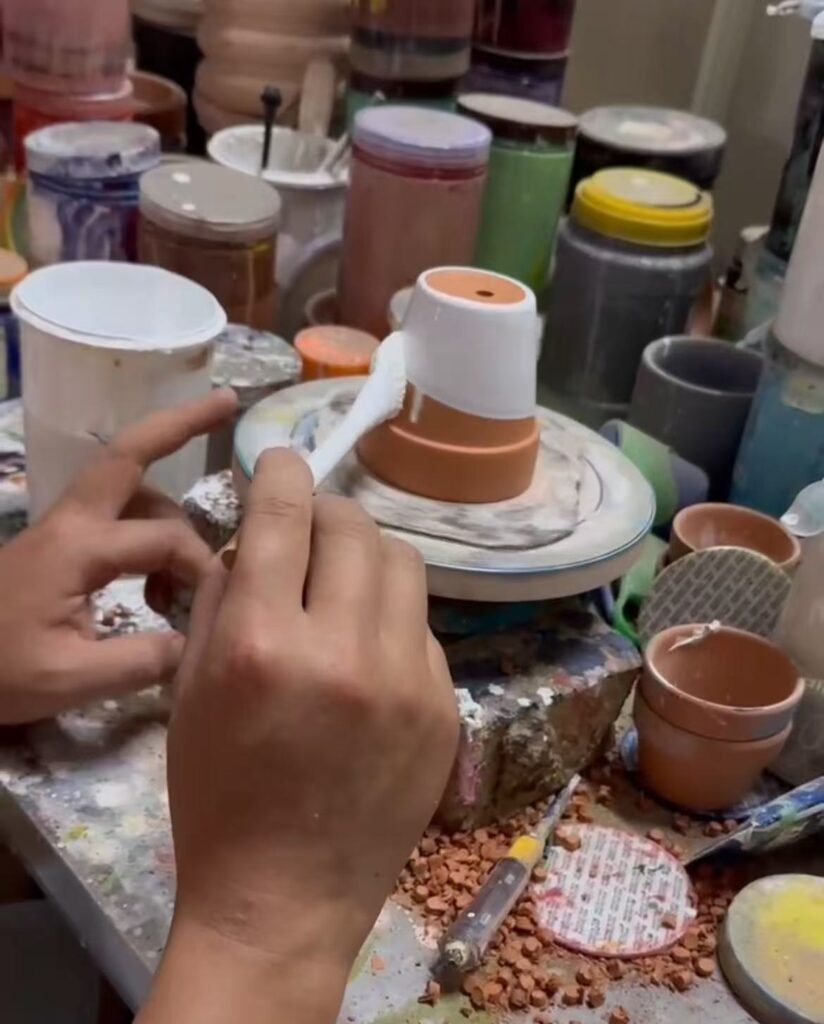
Crafting clay pots involves skilled artisans who often rely on traditional techniques passed down through generations. Unlike mass-produced plastic alternatives, clay pots require a series of meticulous steps:
- Throwing: Shaping the pot on a potter’s wheel.
- Drying: Allowing the clay to harden naturally, which can take days.
- Firing: Heating the pots in kilns at high temperatures to harden them.
- Glazing and Painting: For decorative pots, this adds another layer of complexity and cost.
Each stage requires precision and expertise, leading to higher labor costs.
Factors Influencing the Price of Clay Pots
| Factor | Explanation | Impact on Price |
|---|---|---|
| Material Sourcing | High-quality clay and natural pigments are more expensive to source and refine. | Significant cost increase |
| Craftsmanship | Handmade pots require skilled artisans, unlike machine-made plastic alternatives. | Adds premium value |
| Energy Consumption | Kiln firing consumes considerable energy, especially in high-temperature ranges. | Increases operational costs |
| Transportation | Clay pots are heavy and fragile, requiring careful handling and packing during transit. | Higher shipping fees |
| Market Demand | The growing trend of eco-friendly and artisanal products has elevated the demand for clay pots. | Drives up market prices |
3. Energy-Intensive Kiln Firing
The process of firing clay pots in kilns is not only time-consuming but also energy-intensive. Depending on the type of clay and desired finish, temperatures in the kiln can range from 1,000°C to 1,300°C.
- Impact of Fuel Costs: Many artisans use gas or electric kilns, and fluctuations in energy prices directly affect production costs.
- Double Firing: Some pots require two rounds of firing — once for hardening and again after glazing — which doubles the energy expenditure.
The Role of Aesthetics and Design
Clay pots are more than functional items; they are often considered works of art. Unique shapes, hand-painted patterns, and custom designs add to their appeal but also increase their price. For example:
- Custom Designs: Pots with intricate carvings or hand-painted motifs cater to niche markets willing to pay a premium.
- Limited Editions: Small-batch productions or artist collaborations often lead to exclusivity, further driving up costs.
The Environmental and Ethical Premium
As consumers become more environmentally conscious, the demand for sustainable and ethically produced goods has surged. Clay pots tick both boxes, but this comes at a price:
- Eco-Friendly Manufacturing: Many artisans and manufacturers adopt sustainable practices, such as recycling waste clay and using solar kilns. While beneficial for the planet, these practices are often costlier than traditional methods.
- Fair Wages for Artisans: Ethical production ensures that artisans receive fair compensation for their labor, which is reflected in the product’s price.
Comparisons: Clay Pots vs. Other Materials
| Aspect | Clay Pots | Plastic Pots | Metal Pots |
|---|---|---|---|
| Durability | Long-lasting but fragile if dropped | Durable but prone to UV damage | Highly durable but prone to rust |
| Aesthetics | Timeless and natural look | Limited design options | Modern and sleek but industrial |
| Environmental Impact | Biodegradable and sustainable | Non-biodegradable | Recyclable but resource-intensive |
| Price Range | High | Low | Moderate to high |
Market Dynamics: Why Demand Drives Prices Up
The global shift towards eco-conscious living has put clay pots in the spotlight. As more people opt for sustainable and natural products, the demand for clay pots has surged. This demand often exceeds the supply, especially for handmade pots, leading to higher prices.
Countries Driving Demand:
- United States: A growing trend in indoor gardening and sustainable decor.
- Europe: High demand for artisanal and eco-friendly products.
- India and China: Both producers and consumers of clay pots, with rising middle-class interest in premium goods.
Are Expensive Clay Pots Worth It?
While the initial cost may seem high, clay pots offer excellent value for money in the long term. Their natural porosity ensures optimal plant health by preventing overwatering and promoting aeration. Moreover, their aesthetic appeal enhances any space, making them a worthwhile investment for gardeners and decorators alike.
Conclusion
Clay pots are expensive for several reasons: the quality of raw materials, the labor-intensive production process, and the growing demand for sustainable and artisanal products. By understanding these factors, consumers can appreciate the craftsmanship and value that go into each pot.
For those looking to invest in high-quality clay pots, consider the longevity, aesthetic value, and environmental benefits they offer — proving that their price tag is justified.
If you’re ready to take your planter business to the next level, reach out to Hale Planter today for consultation and bulk order opportunities.
