
When it comes to enhancing indoor or outdoor spaces with greenery, wall-mounted flower pots offer an elegant and space-efficient solution. For B2B buyers—such as supermarket chains or boutique gardening stores—understanding the nuances of hanging flower pots on walls can inform their purchasing decisions, whether they are opting for ODM customization for large orders or OEM designs for small batches. This guide explores the essential steps, tools, and techniques for hanging flower pots on walls while offering professional insights into procurement strategies.
Benefits of Wall-Mounted Flower Pots
Wall-mounted flower pots provide an excellent way to maximize limited space while creating a visually appealing environment. Some key benefits include:

- Space Efficiency: Ideal for urban settings or small indoor areas.
- Aesthetic Appeal: Can be arranged in patterns or artistic styles.
- Customization Potential: Designed to match interiors, branding, or specific market preferences.
- Improved Plant Health: Wall-mounted planters improve air circulation around plants.
Step-by-Step Guide to Hanging Flower Pots on Walls
1. Choose the Right Wall
Different wall types require specific mounting methods. Common options include:
- Brick or Concrete Walls: Use heavy-duty screws and anchors.
- Drywall: Use drywall anchors to prevent damage.
- Wooden Walls: Standard screws work well.
2. Select Appropriate Hardware
The hardware used for hanging should support the pot’s weight. Consider:
- Hooks: Suitable for lightweight pots.
- Brackets: Best for heavy or decorative pots.
- Rails: Ideal for modular designs, allowing multiple pots.
3. Prepare the Wall
Before installation:
- Clean the surface to remove dust.
- Mark the desired locations with a pencil.
- Ensure the wall is dry and stable.
4. Install the Hardware
Follow these steps for installation:
- Drill pilot holes at the marked locations.
- Insert the appropriate anchors.
- Screw in the hooks, brackets, or rails securely.
5. Hang the Pots
Choose flower pots that are compatible with your hardware. Ensure they are evenly distributed to maintain balance and aesthetics.
Comparison Table: Wall-Mounting Techniques


| Wall Type | Recommended Hardware | Tools Needed | Advantages |
|---|---|---|---|
| Brick/Concrete | Anchors, Screws | Drill, Screwdriver | Strong support for heavy pots |
| Drywall | Drywall Anchors, Hooks | Drill, Level | Lightweight and easy to install |
| Wood | Screws, Brackets | Screwdriver | Versatile and suitable for most pots |
ODM vs. OEM for Wall-Mounted Flower Pots
For B2B buyers, deciding between ODM and OEM services depends on business needs and market focus. Here’s a breakdown:
- ODM Customization:
- Ideal for large orders.
- Pre-designed models with branding options.
- Suitable for supermarkets and chain stores.
- OEM Customization:
- Perfect for niche markets or smaller orders.
- Unique designs tailored to specific customer preferences.
- Great for boutique garden stores or e-commerce platforms.
Marketing Considerations for Wall-Mounted Flower Pots
For global B2B procurement, understanding market preferences is critical:
- European Markets: Focus on minimalist and sustainable designs.
- North American Markets: Offer a mix of modern and rustic styles.
- Asian Markets: Emphasize compact designs for urban homes.
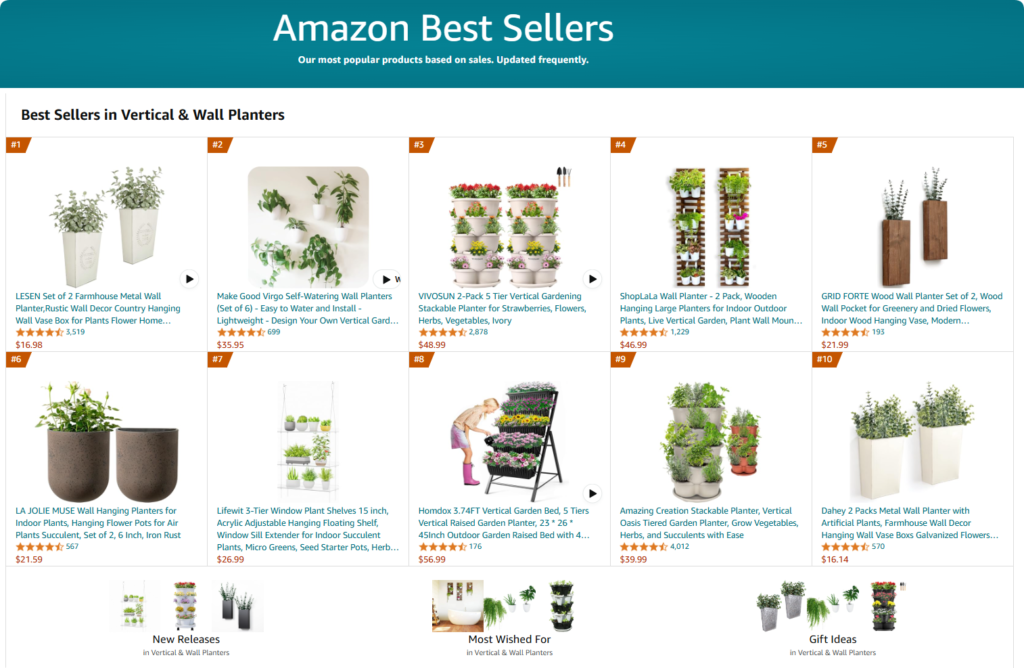
Best Wall-Mounted Planter amazon in 2024
Care and Maintenance Tips
- Waterproofing: Ensure pots have proper drainage and are made of materials that resist moisture.
- Weight Management: Use lightweight materials like plastic or fiberglass for large wall displays.
- Seasonal Adjustments: Rotate plants based on seasonal growth.
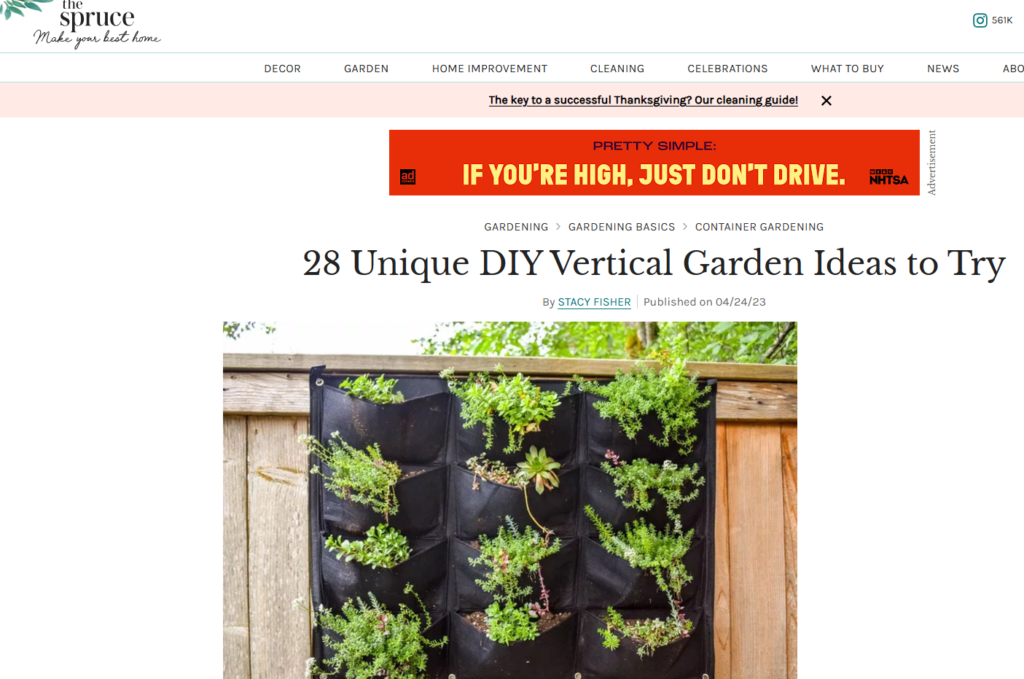
28 Unique DIY Vertical Garden Ideas to Try
Conclusion
Wall-mounted flower pots transform vertical spaces into vibrant green areas. For B2B buyers, understanding how to install them properly ensures customer satisfaction and boosts long-term sales. By selecting the right products and offering clear guidance to end-users, businesses can secure a competitive edge in the growing market for wall-mounted planters.
