
In 2026, home décor has evolved from purely functional items to essential style statements. Vases and decorative objects are no longer just accessories—they define a room’s personality and atmosphere.
For brands and buyers, understanding global market preferences is crucial. Different regions favor distinct colors, materials, shapes, and sizes, which affect both retail appeal and bulk sales performance. This article delves into 2026 trends for home décor items, including vases and decorative objects, with a focus on Europe, the Middle East, and Central Asia.
2026 Pantone Color Trends Applied to Home Décor
Pantone’s 2026 forecast highlights three major directions relevant to home décor:
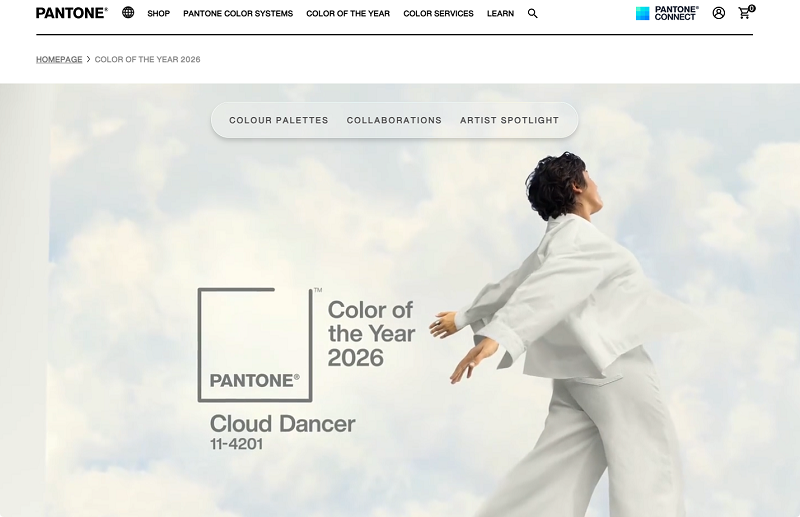
- Organic Natural Hues: Warm neutrals, soft earthy tones, and muted greens dominate vases and decorative objects.
- Muted Sophistication: High-chroma, flashy colors are less favored; subtle elegance resonates with modern interiors.
- Spatial Harmony: Colors adapt well to both large statement pieces and smaller decorative accents, supporting versatility in room design.
These insights suggest that 2026 designs should balance aesthetic appeal with longevity in interior styling, suitable for multiple markets and décor styles.
European Market: Minimalist Elegance & Natural Tones
Color Preferences
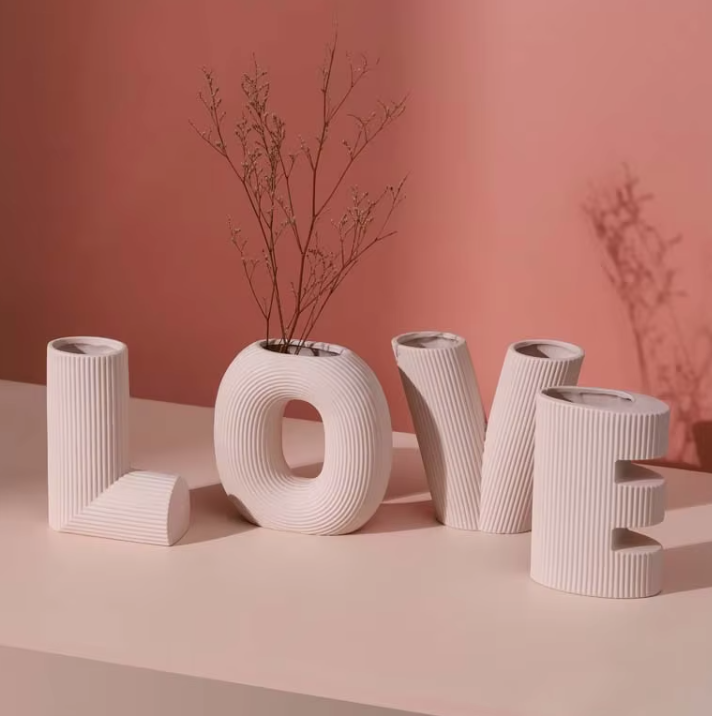
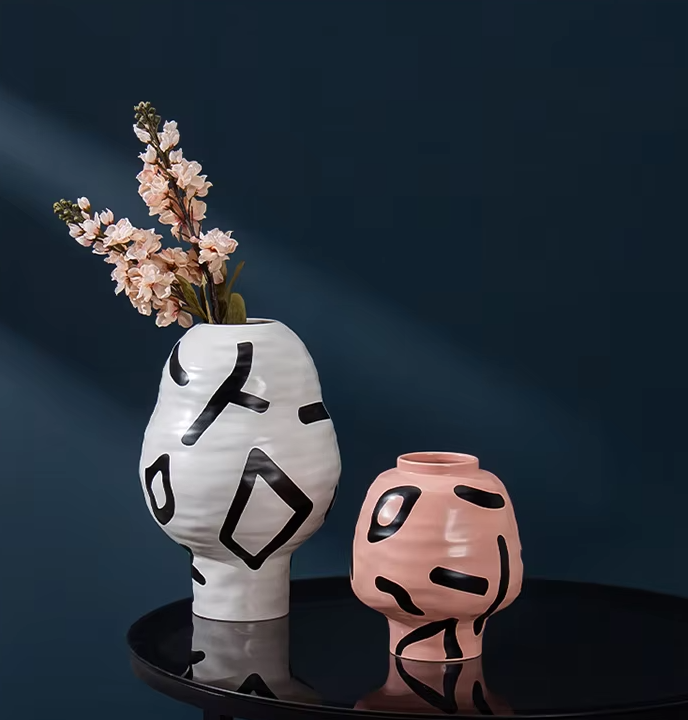
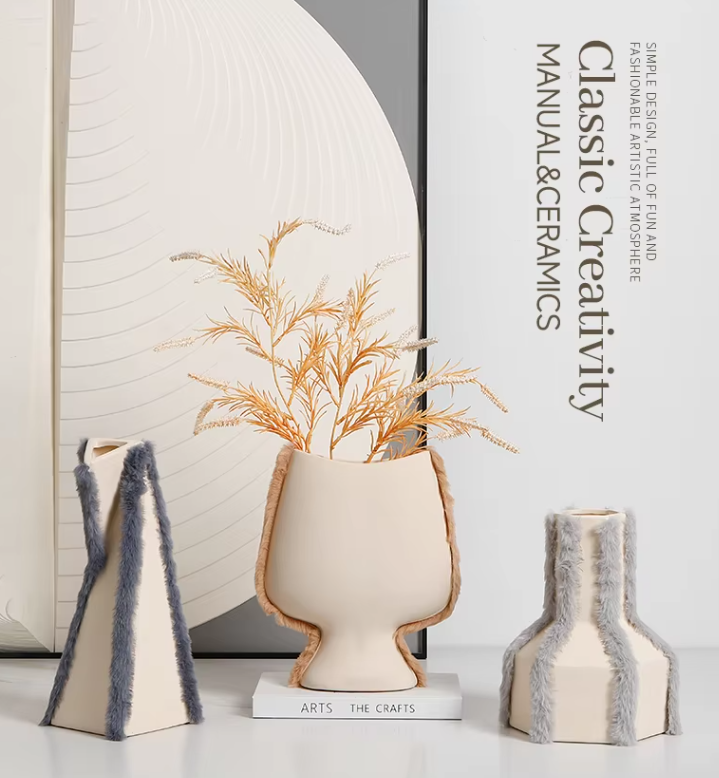
- Warm beige, soft taupe, clay gray
- Sage green and muted teal
- Light ivory and chalky white
These tones create a calm, harmonious look suitable for modern European interiors, emphasizing understated elegance.
Shapes & Proportions
- Tall, slender vases for accent displays
- Rounded or slightly flared decorative objects
- Geometric but minimal lines, avoiding excessive ornamentation
Material & Texture
- Matte ceramics and subtle stone finishes
- Light glaze effects or smooth tactile finishes
- Preference for lightweight yet visually substantial pieces
European consumers increasingly look for décor items that blend seamlessly with natural materials like wood, linen, and marble, creating layered interiors.
Middle Eastern Market: Luxurious Restraint & Visual Impact
Color Preferences
- Deep sand, ivory, warm beige
- Muted gold accents or matte metallic tones
- Olive and deep blue-gray
Middle Eastern buyers prefer pieces that enhance grandeur without overwhelming the space.
Shapes & Styles
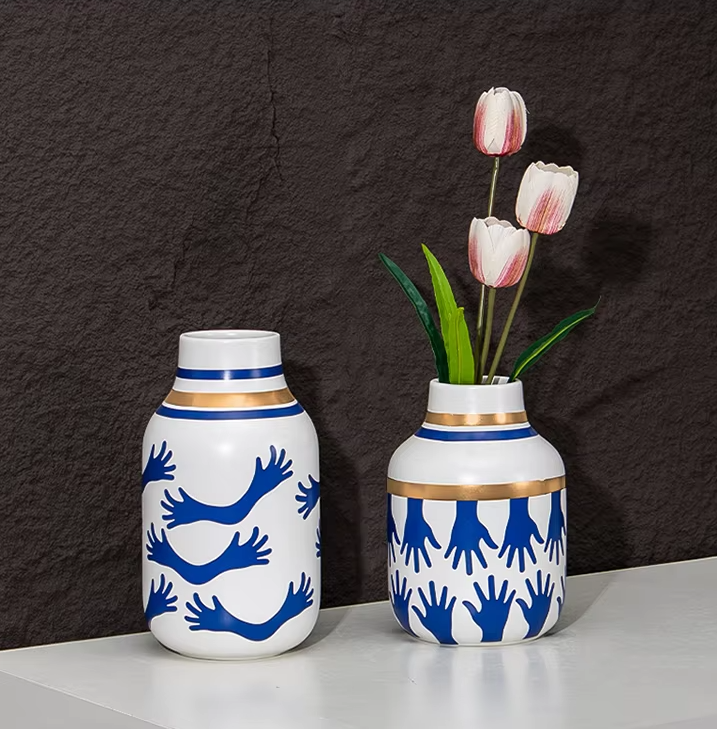
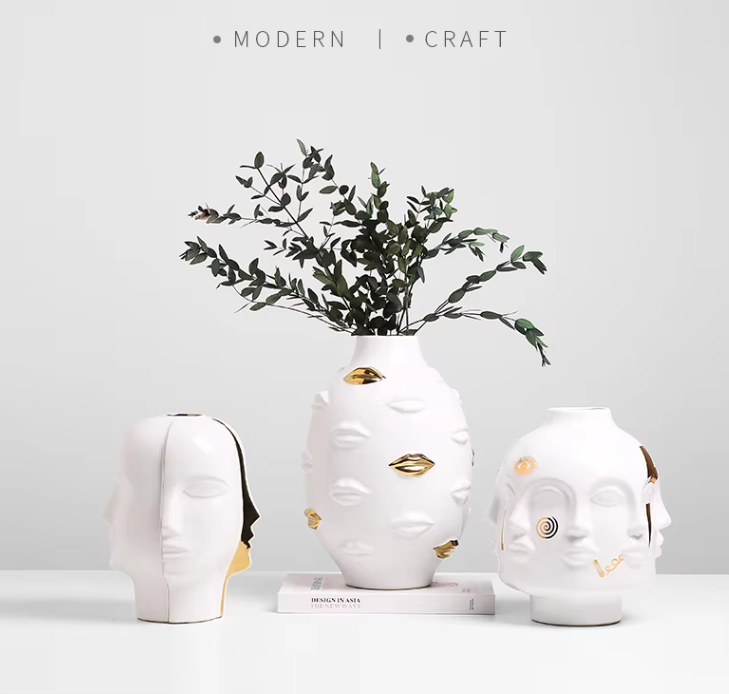
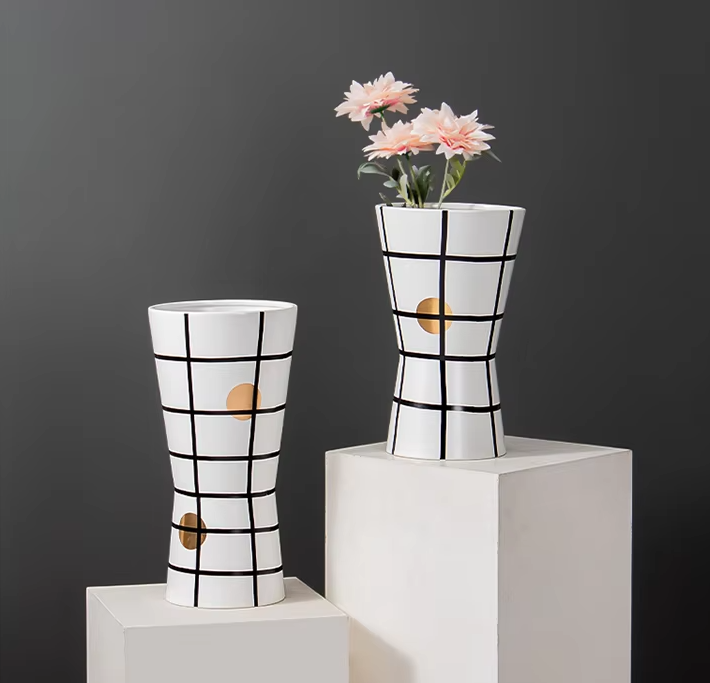
- Larger statement vases and decorative objects
- Thick, well-defined profiles with minimal embellishments
- Balance between traditional and contemporary motifs
Market Implications
- Home décor often serves as a visual centerpiece
- Luxury interior projects and gift markets dominate demand
- Product series with consistent color and size offer long-term sales potential
References to high-end home décor trends can be seen on platforms like Elle Decor and Architectural Digest .
Central Asian Market: Practical Aesthetics & Durability
Color Preferences
- Earth tones, dark gray, muted taupe
- Cool neutrals that coordinate easily with other décor items
- Natural ceramic and stone-like finishes
Shapes & Sizes
- Mid-size vases suitable for tabletops or shelves
- Simple, stackable decorative objects
- Prioritizing durability and long-lasting appeal
Market Strategy
- Conservative designs minimize risk in bulk orders
- Standardized sizes simplify shipping and storage
- Materials should combine aesthetic quality with functional longevity
2026 Home Décor Trends Comparison Table
| Trend Aspect | Europe | Middle East | Central Asia |
|---|---|---|---|
| Main Colors | Muted natural tones | Warm neutrals + muted metallics | Earth tones, dark neutrals |
| Size Preference | Medium-large accent pieces | Large statement pieces | Medium tabletop pieces |
| Shape Focus | Slender, geometric, minimalist | Thick, bold, visually impactful | Simple, practical, stackable |
| Surface & Texture | Matte ceramic, stone finishes | Glazed or matte metallic accents | Durable, tactile ceramic finishes |
| Commercial Risk | Low | Medium | Low |
Trend Interpretation & Practical Advice
- Color Strategy: Muted, earthy tones work across multiple regions, ensuring versatile décor solutions.
- Size Strategy: Europe prefers medium-large accent pieces; Middle East favors statement pieces; Central Asia prefers medium tabletop items.
- Shape Strategy: Minimal geometric shapes suit European interiors, while bold yet restrained forms appeal to Middle Eastern markets.
- Material Strategy: Matte ceramics and stone-like textures create a premium feel, while maintaining durability.
Global market success depends on combining visual appeal, functionality, and adaptability.
Frequently Asked Questions (FAQ)
Q1: Which vase colors are most versatile globally?
Muted natural tones such as clay gray, warm beige, and soft taupe suit Europe, the Middle East, and Central Asia.
Q2: Do Middle Eastern buyers prefer ornate designs?
Not necessarily. They value bold, substantial shapes with restrained detailing over excessive ornamentation.
Q3: Are minimalist vases popular in Central Asia?
Yes. Functional, simple, and durable designs perform better in bulk sales.
Q4: What sizes are best for decorative objects?
Europe: medium-large accents; Middle East: statement pieces; Central Asia: medium tabletop items.
Q5: How important is texture for home décor items?
Texture enhances visual interest and perception of quality. Matte or stone-like surfaces are favored for premium aesthetics and durability.
Conclusion
In 2026, vases and decorative objects are essential for shaping interior spaces. Colors, shapes, and textures should prioritize timeless appeal, versatility, and adaptability for multiple markets.
Hale, a China-based OEM & ODM factory specializing in ceramic garden planters, vases, and home décor, offers customized production solutions for global brands. By aligning with regional trends in Europe, the Middle East, and Central Asia, Hale enables brands to quickly transform design concepts into market-ready products, suitable for retail, gifts, and cross-border e-commerce.
