
In recent years, gardening products have undergone a significant transformation: planters are no longer just containers for plants—they are key design elements that define space style and lifestyle.
In 2026, these changes show clear differences across global markets. Preferences for colors, materials, and shapes vary between Europe, the Middle East, and Central Asia. For global buyers and brands, relying on a single design is no longer sufficient. Understanding these differences can help brands reduce inventory risks and improve sales efficiency.
This article starts with the 2026 Pantone color trends and provides a detailed analysis of planters’ colors, shapes, sizes, and commercial value. It is designed to guide wholesalers, cross-border e-commerce sellers, and gift market buyers in making informed product decisions.
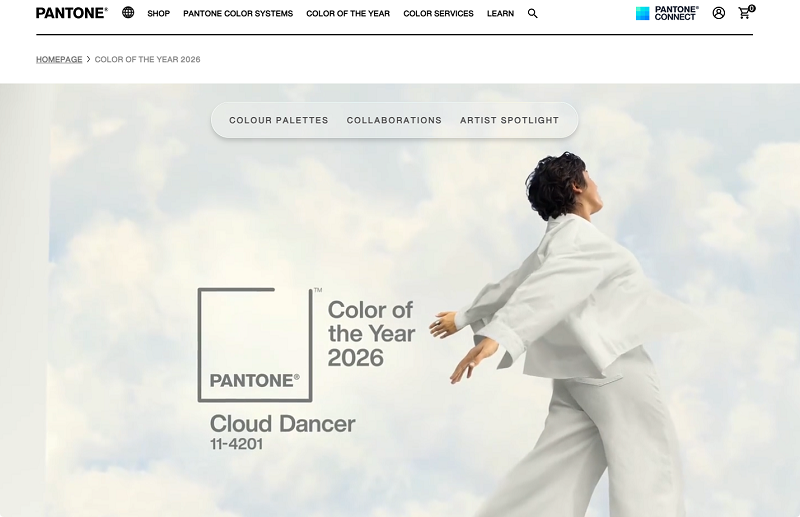
How 2026 Pantone Color Trends Affect Garden Planters
According to Pantone’s official trend insights (reference link: Pantone 2026 Color Trends), the 2026 color trends have three main directions:
- Enhanced Natural Feel: Colors are inspired by soil, minerals, and plants. Low-saturation, warm neutral tones dominate, suitable for ceramics, sandstone, or even glass planters.
- Soft and Restrained: Bright, high-chroma colors are less prominent. Gray tones and warm shades are more enduring and versatile.
- Space Adaptability: Colors work well in indoor, balcony, and courtyard settings, making them ideal for large ceramic and floor-standing planters.
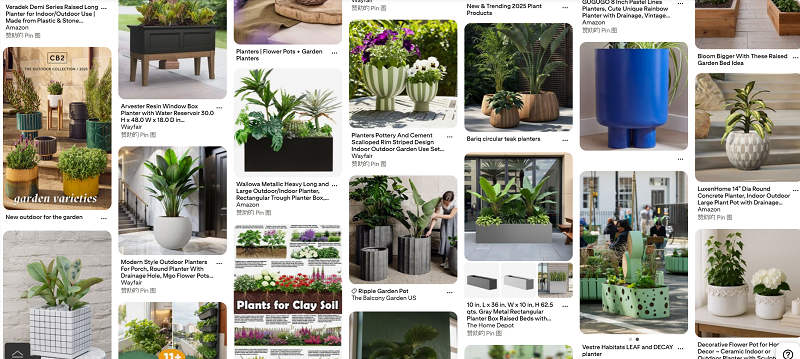
These trends indicate that 2026 planters should be visually appealing, long-lasting, and adaptable to multiple markets. On platforms like Pinterest and Garden Design , natural-tone planters are increasingly popular, reflecting consumer preference for timeless, easy-to-match designs.
European Market: Low-Saturation Natural Colors & Structured Designs
Color Preferences
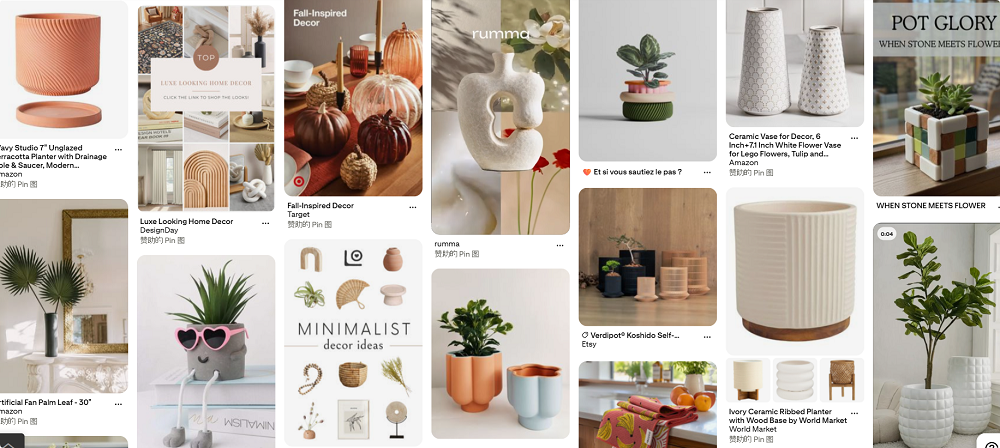
Europe favors low-saturation, natural colors in 2026, such as:
- Sage green, clay gray, sandstone beige
- Misty white and warm beige
- Subtle natural terracotta tones
These colors work especially well for large planters, highlighting plants without overpowering the space.
Shapes & Proportions
- Balanced proportions: Cylindrical, tapered, or slightly flared top designs
- Edge treatment: Rounded or gently tapered, avoiding sharp angles
- Size preference: Floor-standing and patio planters are popular
Surface & Texture
- Matte glazes or slight textured finishes are preferred
- Subtle glaze flow adds tactile and visual interest
- Avoid complex patterns or color blocking, aligning with minimalist aesthetics
These features allow European consumers to integrate planters easily into indoor and outdoor spaces while improving visual appeal for e-commerce displays.
Middle Eastern Market: Sophisticated & Restrained
Color Preferences
The Middle Eastern market in 2026 emphasizes sophistication and durability:
- Warm beige, deep sand tones
- Glazed ivory
- Deep olive green and low-value blue-gray
These colors maintain visual appeal in strong sunlight and suit high-end patios or terraces.
Shape Trends
- Thicker profiles emphasize stability
- Slight decorative details are acceptable, but complex patterns are avoided
- Medium-to-large sizes dominate, suitable for gardens and public spaces
Commercial Insights
- High-end residential projects can bear price premiums
- Gift channels and interior design projects maintain stable demand
- Product series with consistent color schemes facilitate long-term sales
Central Asian Market: Practicality & Stability
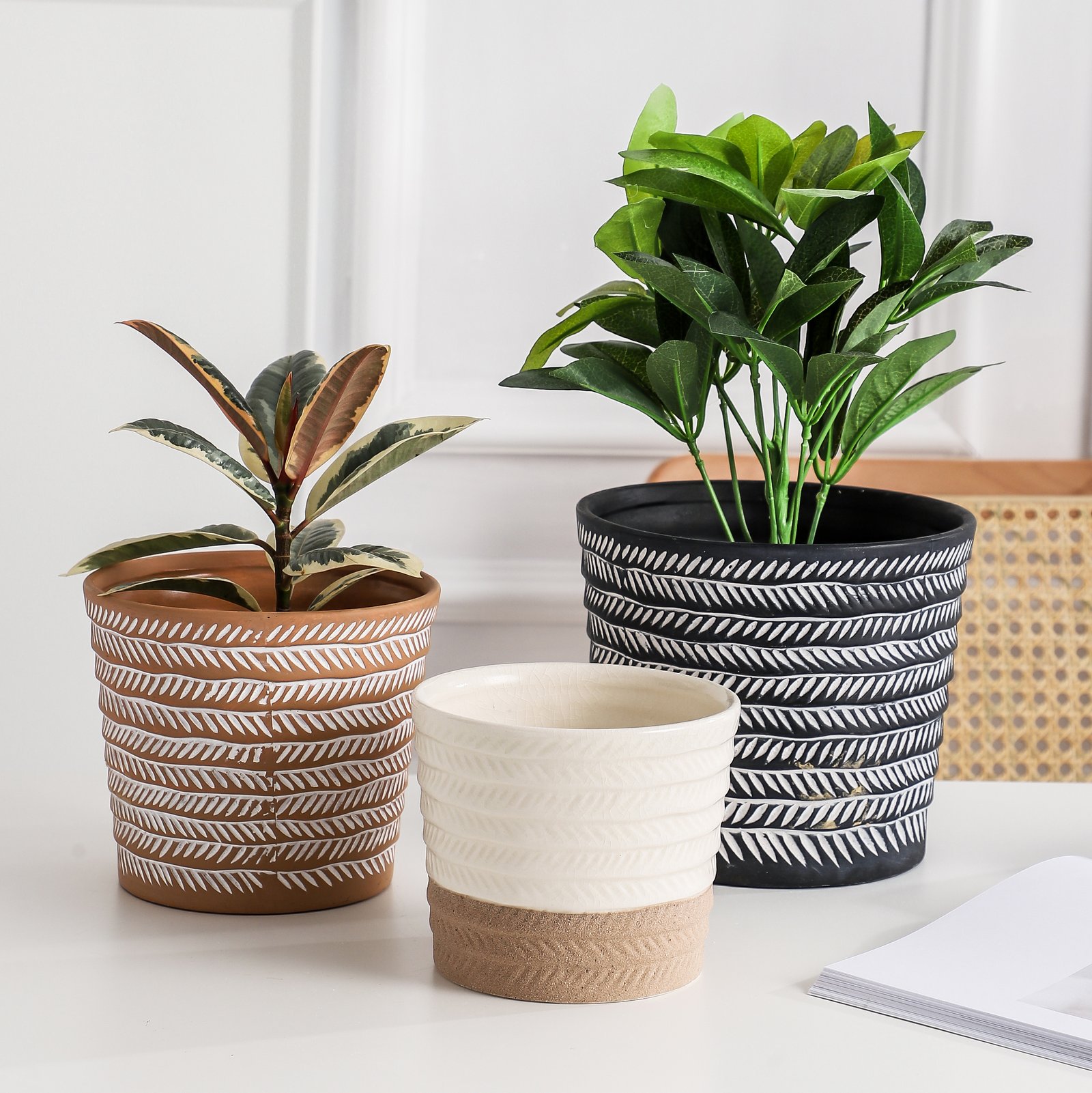

Color Preferences
Central Asian markets are more conservative but highly accept low-risk designs:
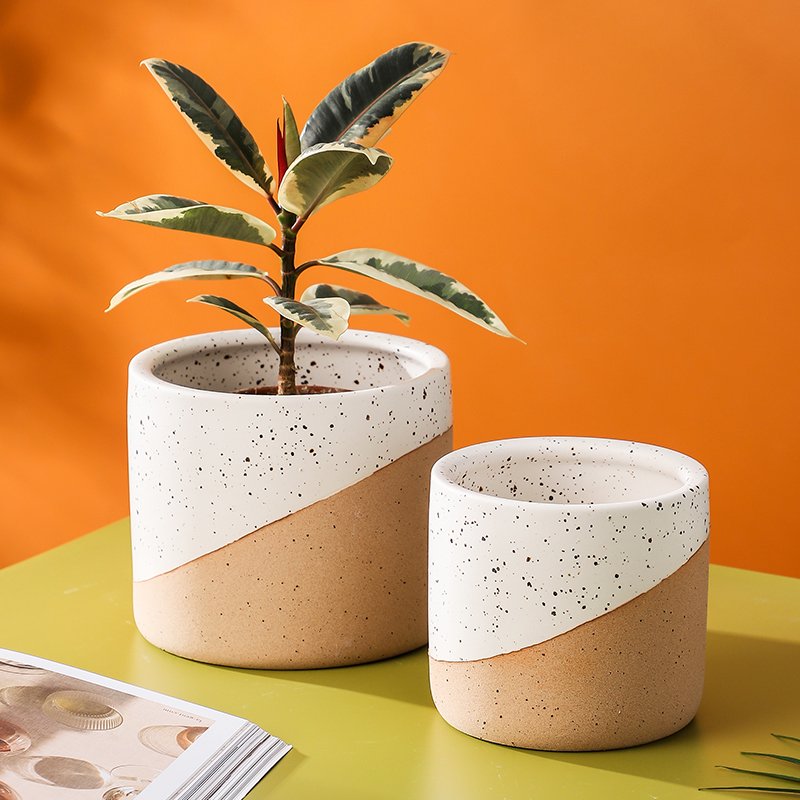
- Deep gray, earthy brown
- Cool-toned neutrals
- Natural terracotta glazes
Shape Characteristics
- Medium-to-small ceramic planters dominate
- Simple designs, stackable for easier storage and transport
- Durability and stability are prioritized for long-term display and bulk sales
Market Strategy
- Small-batch testing of new designs is recommended
- Conservative color combinations reduce returns
- Ideal for large-scale production with cost control
2026 Gardening Planter Trend Comparison
| Trend Aspect | Europe | Middle East | Central Asia |
|---|---|---|---|
| Main Colors | Low-saturation natural tones | Warm tones + glazed finishes | Natural terracotta, deep neutrals |
| Size Preference | Medium-large | Medium-large | Small-medium |
| Shape Focus | Balanced proportions, structural design | Stability, thick profiles | Practicality, stackable |
| Surface Texture | Matte, slight textured finish | Glazed finish | Smooth, durable |
| Commercial Risk | Low | Medium | Low |
Trend Interpretation & Practical Advice
- Color Strategy: Natural, low-saturation tones are safe for most markets, suitable for bulk cross-border e-commerce orders.
- Size Strategy: Europe and the Middle East prefer larger planters for floor and patio use; Central Asia favors medium-to-small sizes for easier logistics.
- Shape Strategy: Balanced, stable designs satisfy multiple markets; complex patterns and color blocks carry higher risk.
- Surface Strategy: Matte or slightly textured glazes are visually appealing and photo-friendly, reducing return rates for online and gift channels.
From the comparison table, it is clear that 2026 planters focus on practicality, timeless appeal, and adaptability across markets.
Frequently Asked Questions (FAQ)
Q1: Which planter colors are safe for global markets?
Low-saturation natural colors such as sage green, sandstone beige, and clay gray are safe for Europe, the Middle East, and Central Asia.
Q2: Does the Middle Eastern market require thick, heavy designs?
Yes, stability and glaze quality are more important than complex patterns, meeting high-end patio and gift market needs.
Q3: Is it suitable to launch trend-based designs in Central Asia?
Small-batch testing is recommended before mass production; conservative designs are better for long-term sales.
Q4: Are large planters truly more popular?
In Europe and the Middle East, large planters create visual impact, while Central Asia prefers medium-to-small sizes.
Q5: How does surface texture affect sales?
Matte or lightly textured finishes match consumer aesthetics, improve photo appeal, and reduce return rates.
Conclusion
The 2026 gardening trend emphasizes timeless appeal, reliability, and long-term usability. Planters have become part of the overall spatial design, rather than mere plant containers.
Hale, a China-based OEM & ODM factory specializing in ceramic garden planters, vases, and home décor, helps global gardening brands translate these trends into mass-producible, market-ready product lines, tailored to Europe, the Middle East, and Central Asia.
