
Sourcing custom matte ceramic garden pots from China manufacturers is rarely a one-step decision. For most global home & garden buyers, it’s a gradual process that involves design alignment, finish testing, supplier evaluation, and long-term cost control.
Unlike glossy ceramics, matte surfaces expose every detail—color depth, glaze stability, and even firing consistency. That’s why buyers who succeed in this category usually invest more time upfront, especially when working with overseas factories.
This guide is written for importers, garden brands, gift wholesalers, and cross-border sellers who want practical clarity—not abstract sourcing theory.
Why Matte Ceramic Garden Pots Are in Long-Term Demand
Matte finishes have become a staple across modern garden and interior collections. Instead of chasing visual shine, today’s consumers are drawn to quiet textures and muted surfaces that feel organic and intentional.
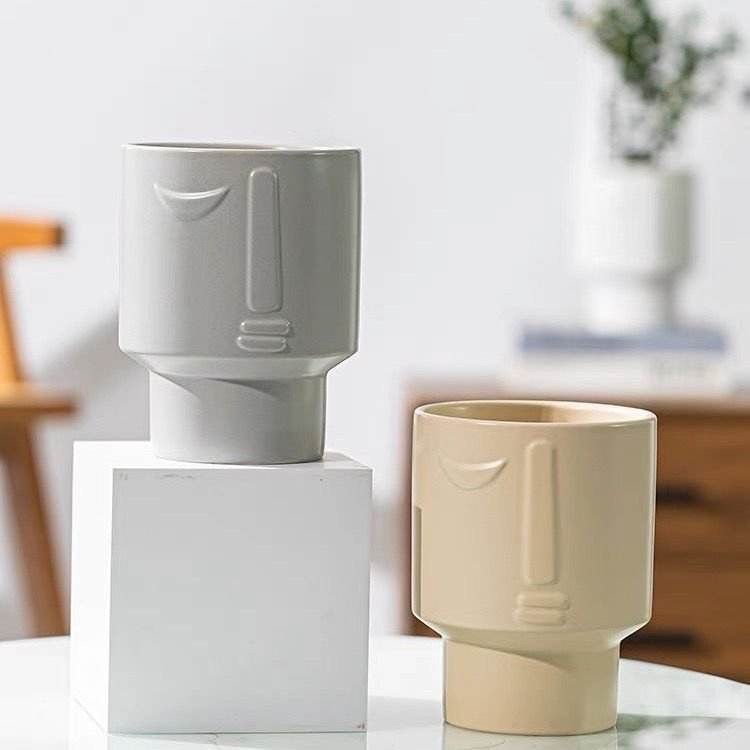
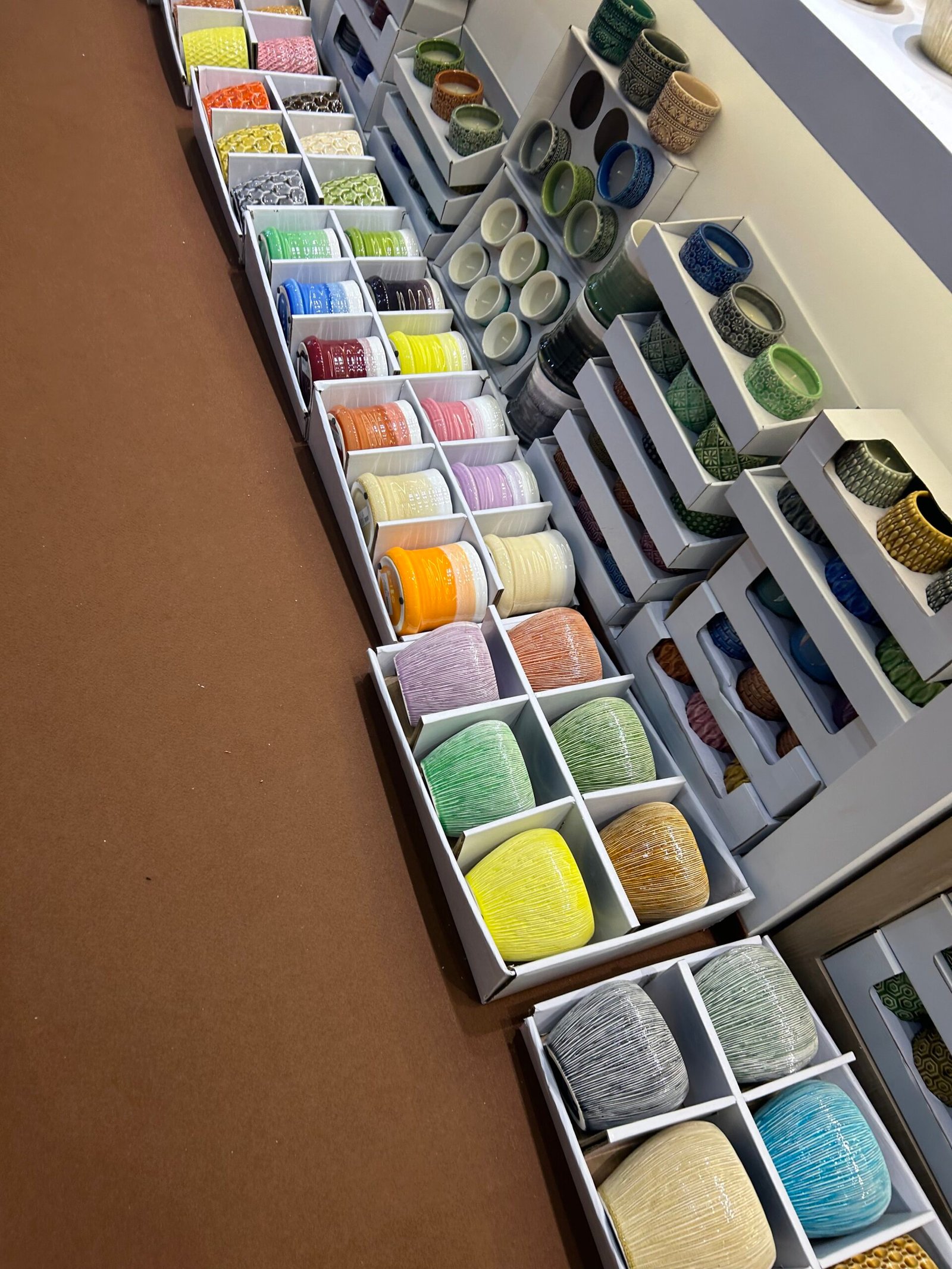
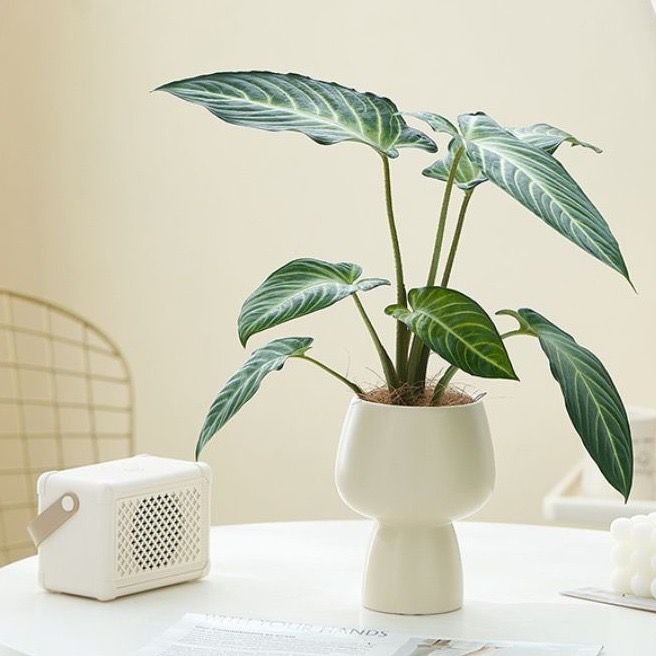
From a buyer’s perspective, matte ceramic planters offer several advantages:
- They align well with minimalist and nature-inspired design trends
- They photograph consistently for DTC and marketplace listings
- They support soft color palettes without visual fatigue
- They integrate easily into both indoor and semi-outdoor environments
Industry publications such as Ceramic World Review frequently highlight how surface texture, rather than ornamentation, is becoming a key differentiator in contemporary ceramic products. This shift explains why matte-finish garden pots remain strong across multiple regions and seasons.
What “Custom” Really Involves When Working with China Manufacturers
When buyers discuss custom matte ceramic plant pots, customization often extends far beyond adding a logo.

In practice, Chinese ceramic manufacturers typically support customization across:
- Planter dimensions and wall thickness
- Shape refinement based on planting use cases
- Matte glaze texture (smooth, powdery, stone-touch)
- Color development based on Pantone or physical samples
- Drainage solutions and matching saucers
- Protective packaging for export and retail
Factories that regularly exhibit at large sourcing events—such as those listed through platforms like the official Canton Fair website—tend to have more mature customization workflows, especially for export-oriented garden products.
Step-by-Step: How to Source Matte Ceramic Garden Pots from China
1. Prioritize Physical Samples Over Digital Mockups
Matte ceramic surfaces behave differently depending on glaze composition and kiln temperature. A finish that looks consistent in photos may feel uneven or chalky in reality.
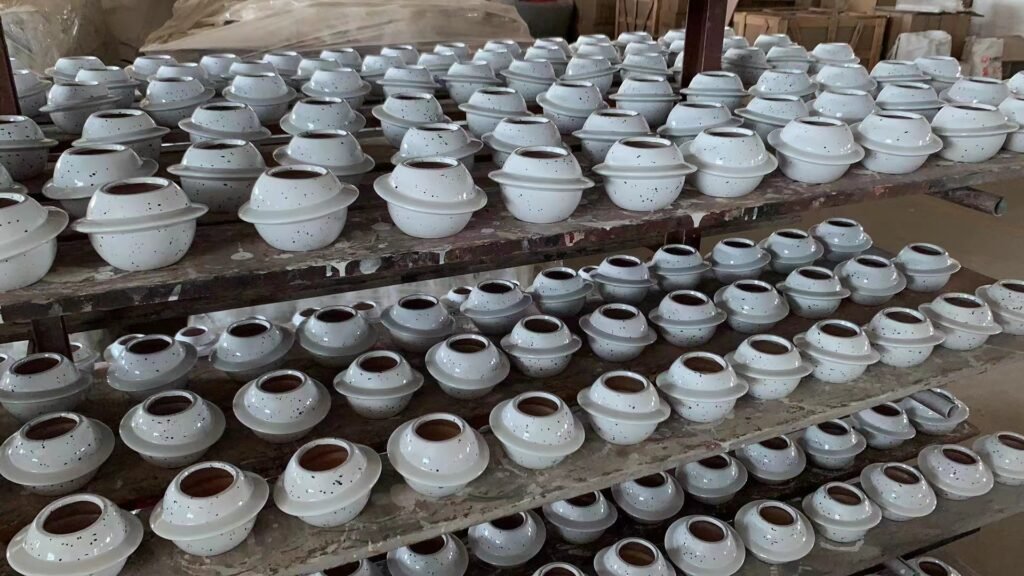
Requesting actual fired samples allows you to evaluate:
- Surface touch and residue resistance
- Color accuracy under different lighting
- Edge durability around rims and drainage holes
This step is particularly important if you’re developing custom matte ceramic flower pots for retail packaging, where tactile experience influences perceived quality.
2. Assess Manufacturing Process, Not Just Pricing
Experienced buyers look beyond unit cost. They ask how the factory controls glaze consistency across batches and seasons.
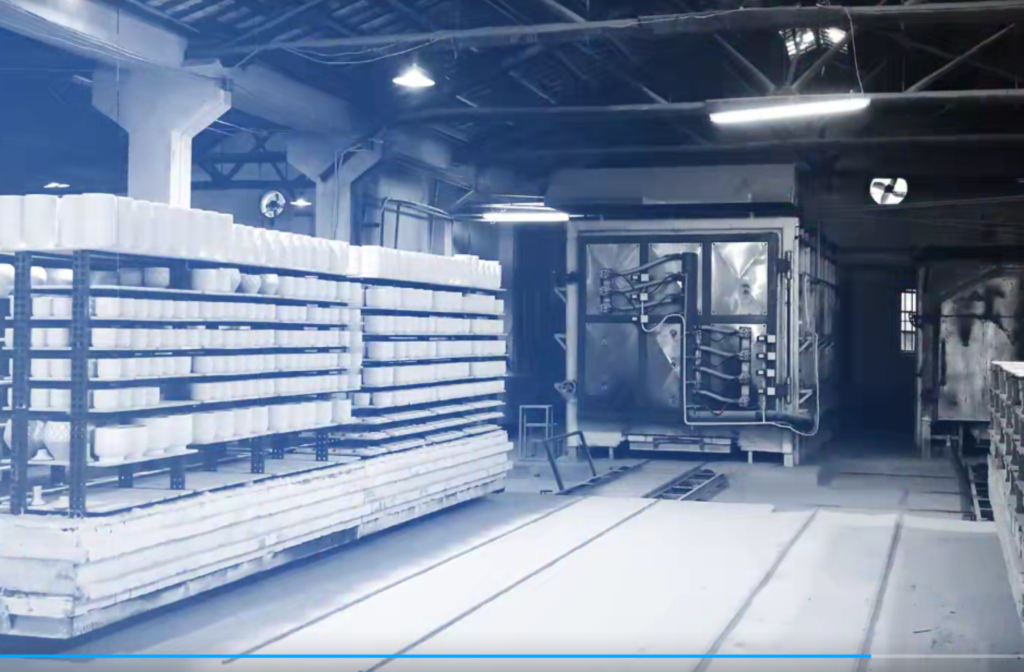
A reliable manufacturer should be able to explain:
- Their firing process and temperature ranges
- How they manage color deviation in matte glazes
- What inspection standards are applied before packing
Organizations such as the International Trade Centre (ITC) often emphasize supplier transparency as a key risk-reduction factor in cross-border sourcing—especially for decorative ceramics with strict visual requirements.
3. Understand MOQ Flexibility Instead of Resisting It
Minimum order quantities for custom matte ceramic garden planters are influenced by kiln efficiency, mold usage, and glaze preparation.

Rather than negotiating MOQ blindly, ask suppliers:
- Whether one shape can support multiple color SKUs
- If existing molds can be adapted
- How trial orders can transition into repeat production
This approach often leads to more realistic cost structures and smoother long-term cooperation.
Key Criteria for Comparing China Matte Ceramic Pot Suppliers
Below is the single comparison table used in this article, focusing on sourcing-relevant factors rather than generic claims:
| Evaluation Area | What to Look For | Buyer Benefit |
|---|---|---|
| Matte Glaze Control | Stable texture and tone across batches | Fewer returns and claims |
| Custom Color Capability | Sample- or Pantone-based glaze matching | Strong brand consistency |
| Mold Availability | Proven planter shapes already in production | Lower tooling investment |
| Quality Inspection | Pre-packing visual and dimensional checks | Reduced logistics risk |
| Export Experience | Familiarity with carton testing standards | Safer international shipping |
Packaging performance is often underestimated. Export references from organizations like ISTA (International Safe Transit Association) are useful when discussing drop resistance and carton structure with ceramic suppliers.
Sourcing for the U.S. Market: Design Direction & Brand Context
For buyers developing collections for the United States market, understanding retail aesthetics is essential.
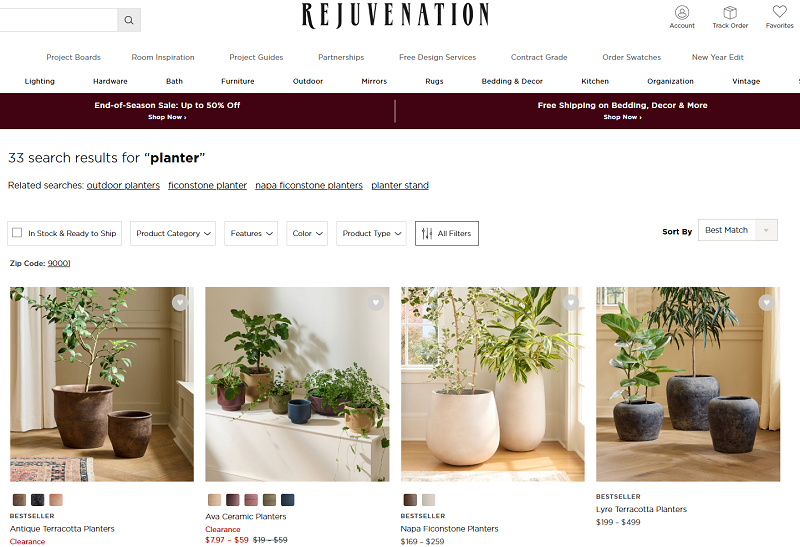
The following five well-known U.S. home & garden brands reflect current planter design expectations, particularly in matte ceramic finishes:
- Terrain – Organic textures and nature-inspired colorways
- West Elm – Clean silhouettes with modern proportions
- Crate & Barrel – Balanced designs for indoor-outdoor use
- Pottery Barn – Neutral palettes with timeless forms
- Rejuvenation – Subtle heritage influences with modern materials
These brands demonstrate how matte ceramic garden pots are positioned not as seasonal items, but as long-term décor pieces—an important insight when planning product lifecycles.
Common Buyer Mistakes When Sourcing Matte Ceramic Pots
Relying solely on first samples
Always confirm that samples come from actual mass-production kilns.
Overcomplicating early designs
Start simple, then expand SKUs once sales data is available.
Ignoring carton engineering
Matte ceramic surfaces are less forgiving during transit. Packaging design matters as much as the product itself.
FAQ: Related Questions Buyers Often Ask
How long does it take to produce custom matte ceramic garden pots in China?
Production usually takes 45–60 days after sample approval, depending on order scale and finish complexity.
Can matte ceramic planters be customized for outdoor use?
Yes, provided firing temperatures and glaze formulations meet outdoor performance requirements.
How do buyers maintain color consistency over repeat orders?
By approving reference samples and confirming glaze records with the factory.
Are mixed-size assortments possible in one shipment?
Many suppliers support size assortments if shapes share similar firing conditions.
Conclusion: Building a Reliable Matte Ceramic Sourcing Strategy
Sourcing custom matte ceramic garden pots from China is not about chasing the lowest unit price. It’s about choosing a manufacturing partner that understands finish control, production stability, and international buyer expectations.
Hale is a China-based ceramic manufacturer providing OEM and ODM services for global garden brands, gift companies, and eCommerce sellers. By focusing on matte ceramic planters, vases, and decorative home items, Hale supports long-term product development rather than one-off transactions.
When sourcing is treated as a structured process—not a shortcut—you gain consistency, scalability, and a product line that stands the test of time.
