
Across global home décor and gardening markets, stoneware planters are no longer treated as simple containers. For many established brands and sourcing teams, they have become an essential product category that connects design language, lifestyle storytelling, and long-term merchandising strategy.
If you work with home & garden distributors, gift retailers, or cross-border eCommerce brands, you may already notice a clear shift:
the best-performing planters are not trend-chasing novelties, but designs repeatedly validated by reliable suppliers serving multiple international markets.
Based on supplier-side insights, buyer feedback, and observable retail patterns, this article breaks down 9 stoneware planter trends that verified suppliers are actively promoting worldwide—trends that balance aesthetics, production stability, and global scalability.
Trend 1: Soft Matte Neutral Stoneware for Long-Life Collections
Neutral tones continue to dominate global planter collections, but the emphasis has moved toward soft matte finishes with warm undertones rather than flat whites or cold grays.
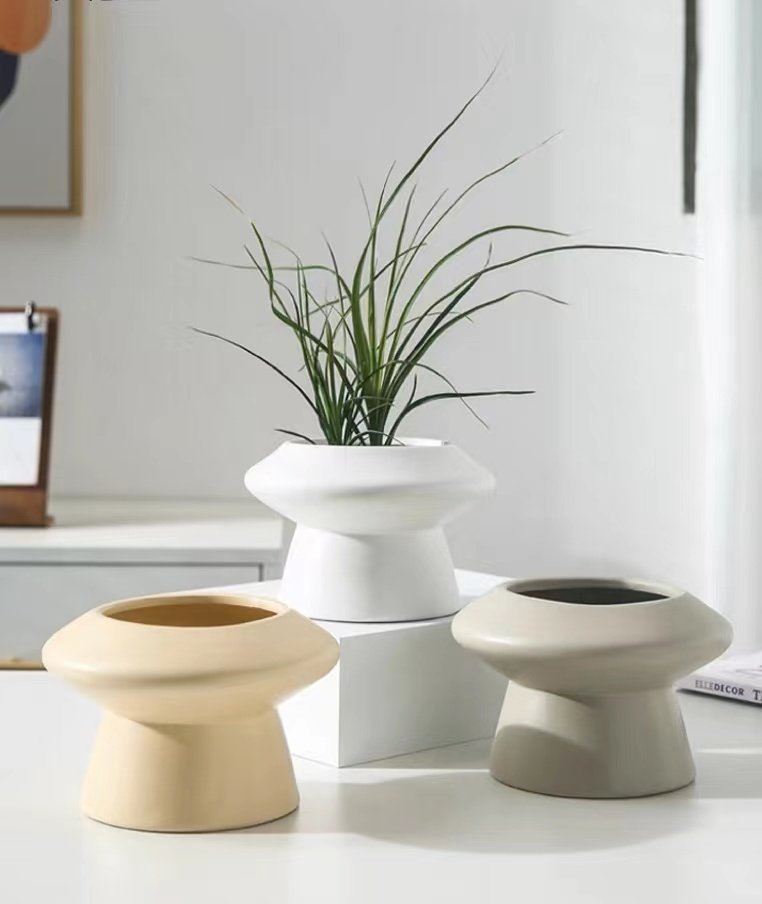
Popular finishes include:
- warm off-white
- sand beige
- light taupe
- muted clay or stone gray
These matte stoneware planters for indoor plants appeal strongly to lifestyle retailers because they:
- photograph consistently across seasons
- work with a wide range of plant varieties
- age well without looking dated
Design inspiration for this trend can be seen across interior-focused platforms such as
https://www.architecturaldigest.com and https://www.dezeen.com, where neutral ceramics continue to anchor plant styling features.
Trend 2: Subtle Texture That Adds Depth Without Noise
Rather than bold carvings or graphic patterns, suppliers are now prioritizing low-contrast textures that enhance tactility without overpowering the plant itself.
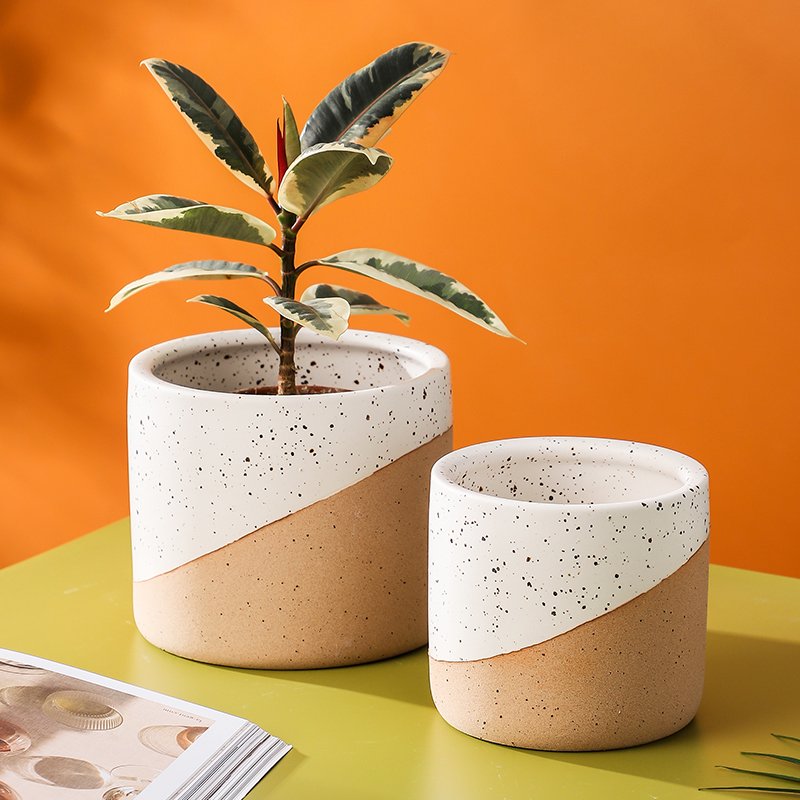
Common approaches include:
- fine hand-thrown ripples
- light speckled glaze finishes
- shallow vertical or organic carving
A textured stoneware planter with understated detailing allows brands to maintain visual interest while keeping the collection flexible across different retail environments.
From a sourcing perspective, this trend also reduces the risk of fast design fatigue, making it ideal for evergreen SKUs.
Trend 3: Modular Size Systems That Increase Basket Value
Verified suppliers increasingly recommend developing one core planter design with multiple size options, rather than launching many unrelated styles.
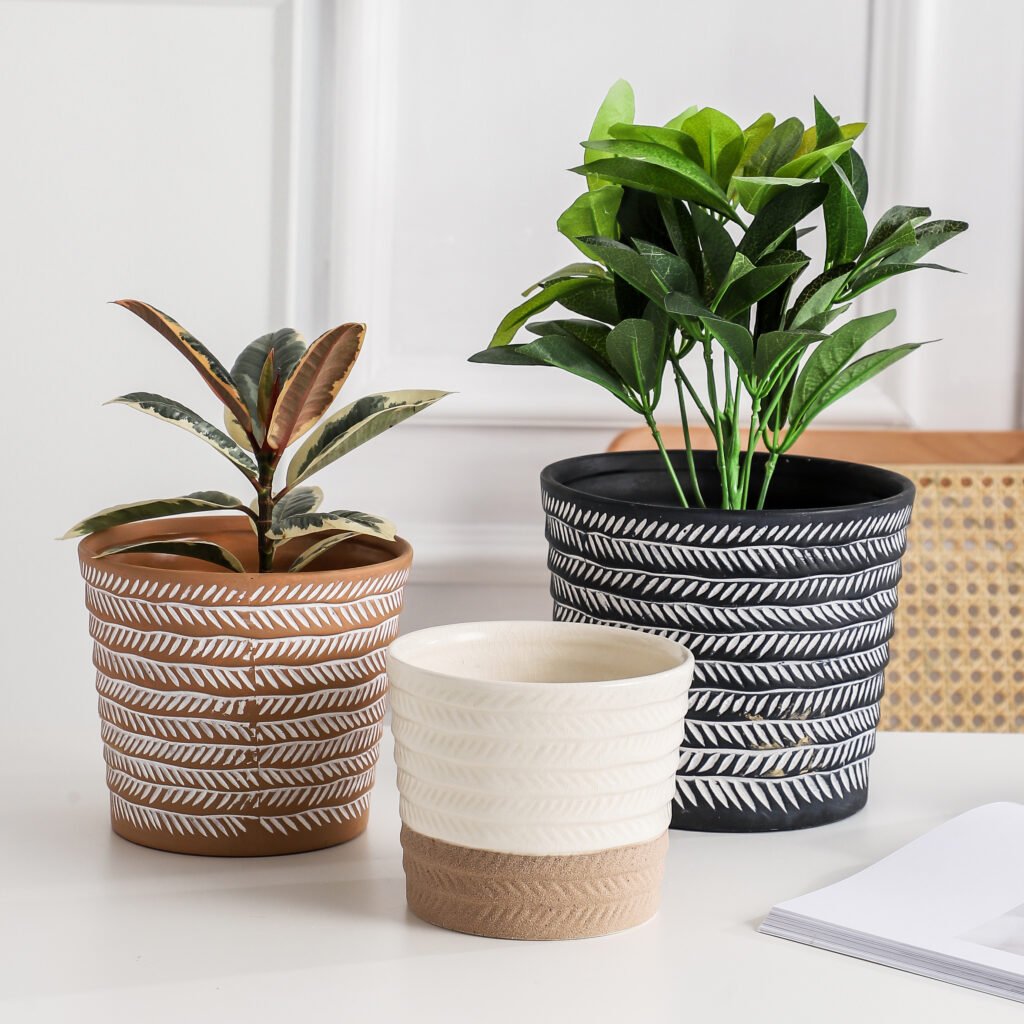
Typical modular formats include:
- small / medium / large sets
- identical diameters with varied heights
- nested proportions designed for shelving displays
These stoneware planter sets for retail and online merchandising help buyers:
- improve average order value
- create stronger visual merchandising stories
- simplify inventory planning
For eCommerce sellers, modular sizing also improves listing performance by encouraging multi-item purchases.
Trend 4: Earth-Inspired Reactive Glazes With Controlled Variation
Reactive glazes remain highly attractive, but only when variation is predictable and manageable.
Instead of dramatic color swings, suppliers focus on:
- earth-tone reactive glazes
- gentle flow effects
- limited shade movement within a defined range
A reactive glaze stoneware planter with controlled color variation adds authenticity and depth while still meeting the expectations of bulk buyers who need consistency across shipments.
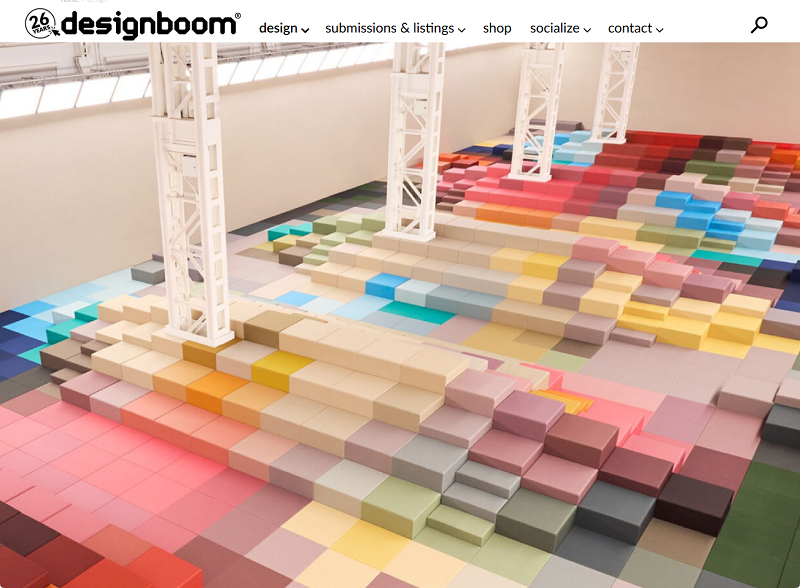
Design-forward platforms like https://www.designboom.com frequently highlight this balance between handcrafted appearance and production discipline.
Trend 5: United States Market Focus — Function Meets Emotional Design
In the U.S., stoneware planters are positioned as functional lifestyle objects, not just decorative accessories. Buyers prioritize usability, visual calm, and compatibility with modern living spaces.
Five well-recognized U.S. market brands shaping this trend include:
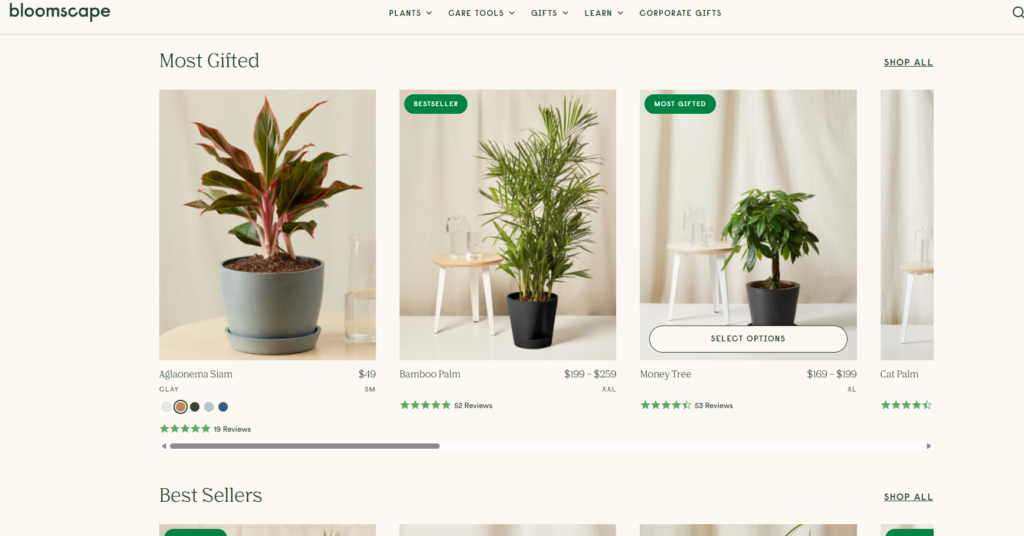
- Terrain
Known for nature-inspired collections, Terrain favors substantial stoneware planters with organic profiles that complement large indoor plants. - The Sill
Focused on urban plant owners, their planter designs emphasize clean forms and proportions suitable for apartments and subscription plant programs. - Bloomscape
Their stoneware-style planters highlight practicality—balanced wall thickness, drainage-friendly construction, and easy-care aesthetics. - Potey
Potey’s designs lean modern and architectural, with neutral tones that integrate seamlessly into minimalist interiors. - Lechuza (stoneware-style collections)
While widely associated with functionality, their stoneware-inspired lines appeal to buyers seeking refined design with practical features.
Trend 6: United Kingdom Market Focus — Heritage, Craft, and Restraint
The UK market places strong value on timeless design and subtle craftsmanship. Stoneware planters often reflect traditional proportions with modern restraint.
Five influential UK-based brands include:
- Bergs Potter (UK market presence)
Their collections emphasize classic forms, soft glazes, and balanced weight—qualities that resonate with heritage-focused buyers. - Garden Trading
Known for practical elegance, their stoneware planters align well with lifestyle gifting and catalog retail. - Nkuku
This brand highlights artisanal texture and ethical sourcing, with stoneware planters that celebrate hand-finished character. - Ivyline
Offering a broad range of planters, Ivyline blends contemporary shapes with approachable, retail-friendly finishes. - The White Company (planter collections)
Their designs prioritize harmony with interior décor, favoring muted palettes and refined silhouettes.
Trend 7: Drainage-Ready Designs Without Visual Disruption
Buyers consistently request planters that support healthy plant care without compromising aesthetics.

Supplier solutions commonly include:
- discreet bottom drainage holes
- matching stoneware saucers with the same glaze
- interior glaze zoning to manage moisture
A stoneware planter with drainage and a matching saucer improves customer satisfaction while reducing post-purchase complaints, especially in online sales.
Trend 8: Packaging Designed for Cross-Border Reality
Packaging has become part of the product experience, particularly for brands selling internationally.
Verified suppliers now design planters alongside:
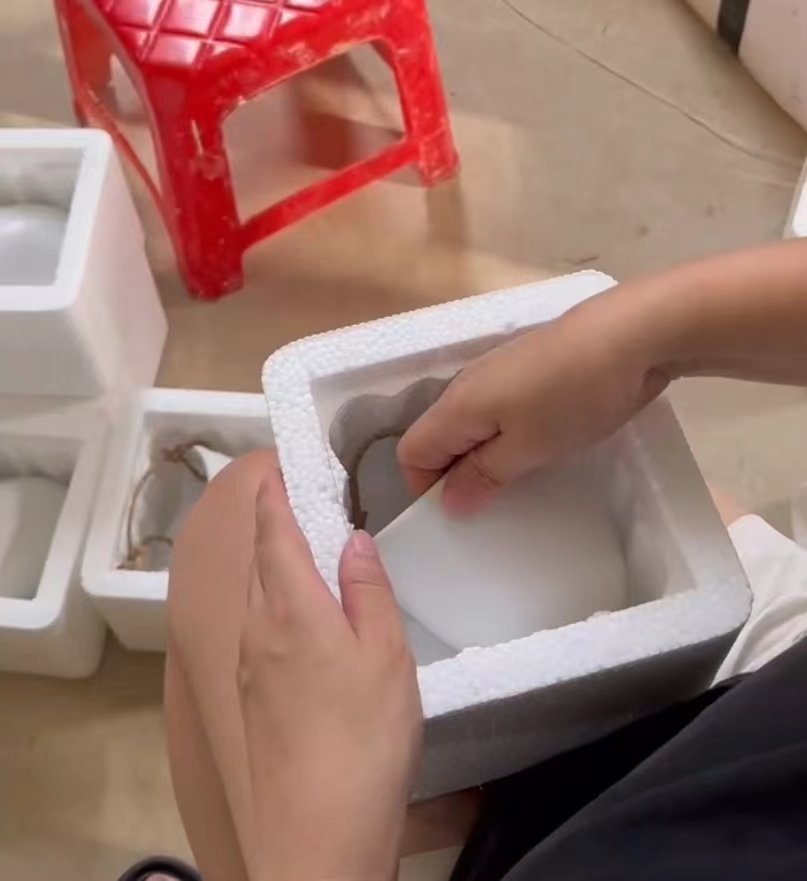
- recyclable protective inserts
- drop-tested carton structures
- single-item packaging suitable for direct-to-consumer shipping
These stoneware planters optimized for cross-border eCommerce shipping help reduce damage rates and improve unboxing perception.
Trend 9: One Design, Multiple Market Adaptations
Perhaps the most practical trend is flexibility. Successful stoneware planter designs are created with multi-market adaptation in mind.
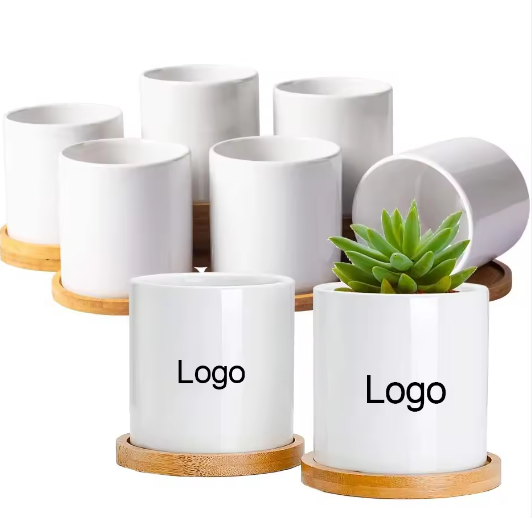
Suppliers consider:
- color adjustments for regional preferences
- size tweaks for different retail formats
- logo application or custom finishes for private labels
This approach allows buyers to scale efficiently while maintaining a consistent brand identity across regions.
Key Stoneware Planter Trends at a Glance
| Trend Focus | Supplier Optimization | Buyer Benefit |
|---|---|---|
| Matte neutral finishes | Stable glaze control | Long product life |
| Subtle texture | Refined surface detailing | Lower return rates |
| Modular sizing | Shared molds | Higher basket value |
| Controlled reactive glaze | Predictable variation | Easier SKU management |
| Integrated drainage | Hidden functional design | Better user experience |
| Export-ready packaging | Shipping-tested protection | Cross-border reliability |
Frequently Asked Questions
Are stoneware planters suitable for indoor use?
Yes. Most stoneware planters are designed primarily for indoor or semi-covered environments, depending on glaze and firing specifications.
Will glaze variation affect bulk orders?
Reputable suppliers define acceptable variation ranges and confirm them through sampling before mass production.
Can the same planter design be customized for different markets?
Yes. Many buyers adapt color, size, or branding details while keeping the same core design and mold structure.
What features matter most for cross-border eCommerce sellers?
Neutral colors, standardized sizes, drainage compatibility, and protective packaging are key factors.
Final Thoughts
Across global markets, stoneware planters succeed not because they follow short-lived trends, but because they offer design longevity, production stability, and sourcing reliability.
For brands looking to build or expand planter collections, working with an experienced OEM & ODM stoneware manufacturer in China enables greater control over quality, customization, and scalability.
Hale is one such factory, supporting global home and garden brands with stoneware planters, vases, and decorative ceramics through OEM and ODM production—focused on long-term partnerships rather than short-term supply.
