
A Guide for B2B Buyers
In the world of garden and home decor, ceramic planters are more than just functional items; they are design statements. With 2025 on the horizon, understanding the latest trends in ceramic planters is essential for B2B buyers catering to large-scale supermarkets, retailers, and small-batch e-commerce businesses. From material innovations to aesthetic trends, this comprehensive guide will explore the key directions shaping the ceramic planter market and provide actionable insights for bulk purchasing.
Why 2025 Is a Pivotal Year for Ceramic Planters
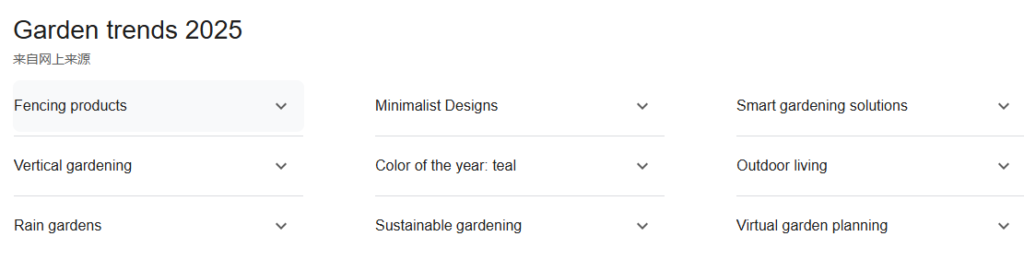
As consumer preferences evolve, 2025 is set to be a transformative year for garden and home decor. According to the Garden Trends Report for 2025, sustainability, color, and multifunctionality are driving purchasing decisions in the garden sector. Ceramic planters, known for their timeless appeal and versatility, align perfectly with these priorities.
With eco-conscious buyers on the rise, B2B purchasers must focus on materials and designs that cater to both function and sustainability while also leveraging new trends to stand out in competitive markets.
Trend 1: Sustainable Ceramic Planters
Sustainability is no longer optional—it’s a key market driver. Consumers are demanding products that are eco-friendly, and ceramic planters made from natural clay or recycled materials are gaining traction.
Features of Sustainable Ceramic Planters:
- Recycled Content: Using reclaimed clay or waste materials.
- Natural Finishes: Avoiding chemical glazes in favor of matte or organic textures.
- Eco-friendly Manufacturing: Processes that minimize energy use and emissions.
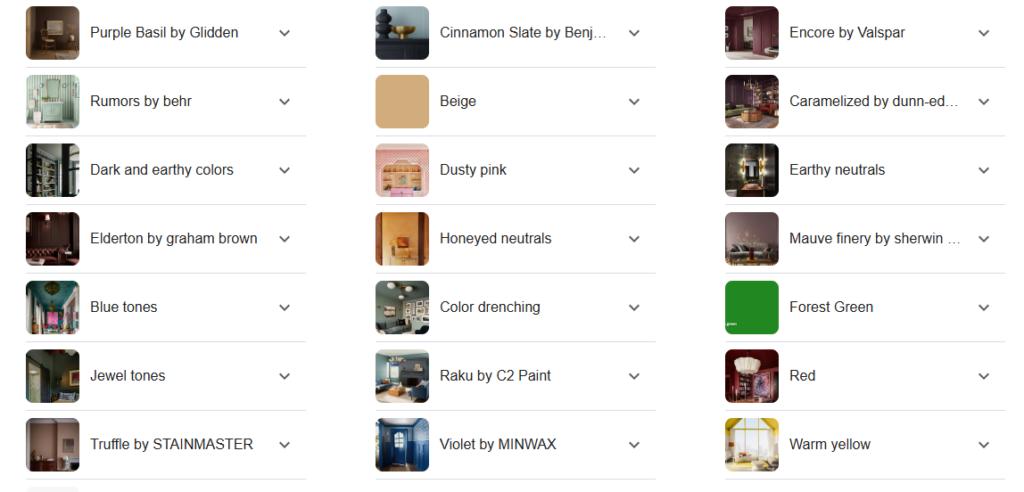
Why It Matters for B2B Buyers: Retailers are marketing sustainability as a core value, and offering environmentally responsible products can boost sales. This aligns with findings from the 2025 Color Trends report, which highlight natural tones and materials as top design choices.
Trend 2: Bold Colors and Patterns
Color trends in 2025 are all about bold, expressive palettes balanced by earthy tones. According to Elle Decor’s 2025 Color Trends, popular shades include terracotta, moss green, and muted gold, alongside vibrant blues and oranges.
Popular Ceramic Planter Designs:
- Hand-Painted Patterns: Tribal and geometric motifs.
- Two-Tone Planters: Combining bold hues with neutral bases.
- Textured Surfaces: Grooves, imprints, and ribbed designs add depth.


Trend 3: Multi-Functionality
Ceramic planters are no longer just for plants—they are transforming into multifunctional decor pieces. Consumers are looking for planters that double as storage containers, side tables, or decorative sculptures.
Examples of Multifunctional Designs:
- Planter Benches: Combining seating with greenery.
- Stackable Planters: For vertical gardens.
- Sculptural Planters: Decorative statement pieces.
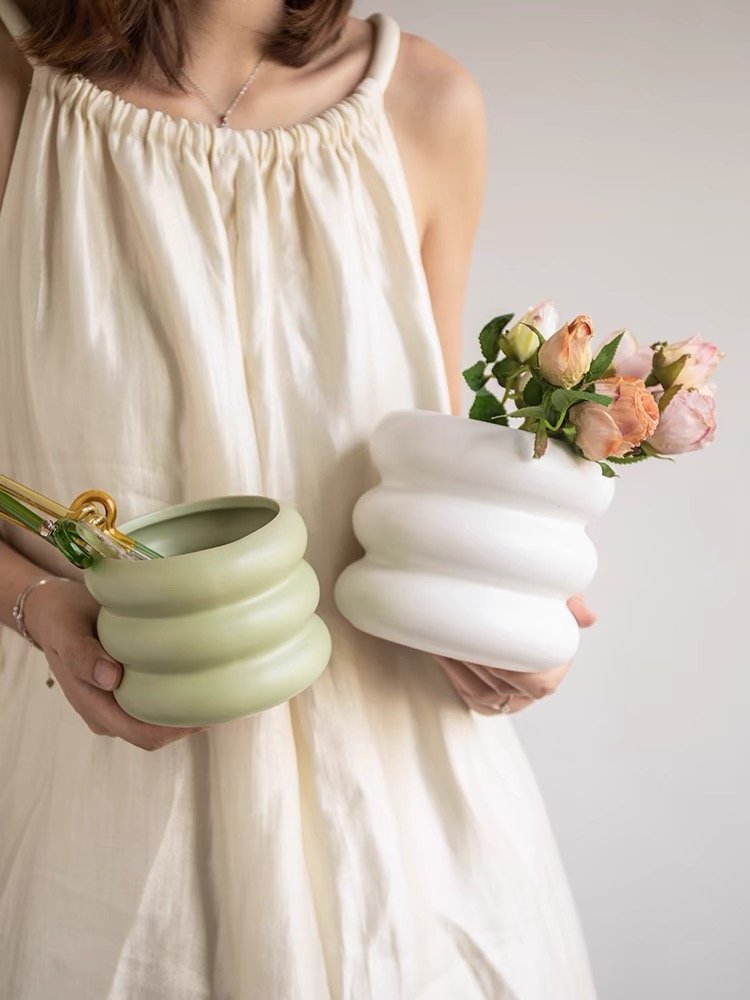


Atlas Ceramics’ trending tile ideas emphasize blending functionality with design, a principle that extends to ceramic planters.
Trend 4: Indoor and Outdoor Versatility
With blurred boundaries between indoor and outdoor spaces, consumers are opting for planters that work seamlessly in both environments. This has led to a surge in designs that are weather-resistant yet stylish enough for interiors.
Characteristics of Versatile Planters:
- Frost-Proof Materials: For colder climates.
- UV-Resistant Glazes: To prevent fading outdoors.
- Neutral Aesthetics: To suit any decor.
Comparison Table: Ceramic Planter Trends at a Glance
| Trend | Key Features | Target Customer | B2B Benefits |
|---|---|---|---|
| Sustainability | Natural clay, recycled materials, matte finishes | Eco-conscious retailers | Aligns with global green initiatives |
| Bold Colors/Patterns | Terracotta, geometric motifs, textured surfaces | Design-focused buyers | Caters to high-demand, trend-conscious markets |
| Multi-Functionality | Storage, seating, vertical gardens | Urban and compact living spaces | Increases perceived value |
| Indoor/Outdoor Versatility | Weather-resistant, neutral aesthetics | Broad consumer base | Reduces inventory diversification challenges |
How to Leverage These Trends for B2B Success
- Offer ODM and OEM Customization: Retailers prefer unique designs that differentiate them from competitors. Consider offering custom shapes, colors, and finishes.
- Highlight Trend Alignment: Use marketing collateral to showcase how your planters align with the latest trends, referencing reports like the Garden Trends Report.
- Bundle for Multi-Functionality: Create planter sets that cater to indoor and outdoor needs or offer add-ons like stands and trays.
Design Tips for 2025
- Combine Traditional and Modern Styles: According to LGR’s pot and planter trends, blending classic ceramic aesthetics with innovative designs will appeal to a wide audience.
- Use Trending Materials: Incorporate natural finishes and experiment with vibrant glazes.
- Prioritize Practicality: Ensure designs are easy to ship, store, and display.
Conclusion
The ceramic planter market in 2025 is poised for growth, driven by sustainability, bold design choices, multifunctionality, and versatility. For B2B buyers, staying ahead of these trends means meeting the needs of both retailers and end consumers while securing a competitive edge. By leveraging ODM and OEM capabilities, you can align your offerings with market demand and build lasting relationships with your clients.
Stay informed, and let the latest color and material trends guide your product strategies for the year ahead.
By choosing Hale Planter, businesses can bulk up their planter offerings with confidence, knowing they will receive high-quality, durable, and aesthetically pleasing products that align with their brand vision and meet customer demands.
