
In recent years, sustainability has become one of the most important trends in interior design, and Germany has been leading the charge. As people become more conscious of their environmental impact, the demand for sustainable materials and products has skyrocketed, especially in the realm of home décor. One product that has stood the test of time and is increasingly becoming a staple in sustainable interior design is the ceramic vase.
Ceramic vases are not only aesthetically pleasing but also environmentally friendly, making them an excellent choice for those looking to create sustainable living spaces. In Germany, where eco-consciousness is a core value in both personal and public life, ceramic vases are being used to add beauty and functionality to homes, offices, and gardens while minimizing waste and environmental impact.
In this blog post, we will dive into the importance of ceramic vases in sustainable interior design in Germany, highlighting their benefits, how they contribute to eco-friendly living, and the top German brands that embrace sustainable ceramic designs.
Why Ceramic Vases Are a Key Element in Sustainable Interior Design
Sustainability in interior design isn’t just about choosing eco-friendly furniture or using recycled materials; it’s about curating an entire environment that aligns with the values of reducing waste, conserving resources, and promoting longevity. Ceramic vases are one of the most sustainable items that can be incorporated into a home’s décor for several reasons:

- Durability
Ceramic is incredibly durable and long-lasting. Unlike plastic or other disposable materials, a well-crafted ceramic vase can last for generations. In fact, ceramic vases made by skilled artisans often improve with age, taking on a unique character over time. This longevity makes ceramic vases an investment in sustainable design as they do not need to be replaced frequently. - Natural Material
Ceramic is made from natural clay, which is abundant and easy to source sustainably. Unlike synthetic materials that may contain harmful chemicals or require large amounts of energy to produce, ceramics are crafted from earth materials, making them a more eco-friendly choice. Additionally, many ceramic vases are made using local materials, reducing the carbon footprint associated with transportation. - Low Environmental Impact
The process of creating ceramic vases, when done responsibly, has a relatively low environmental impact. Many manufacturers use non-toxic glazes, and the firing process can be done using renewable energy sources. In contrast, mass-produced plastic items contribute significantly to pollution, as they are often single-use and difficult to recycle. - Recyclability
At the end of their life cycle, ceramic vases are completely recyclable. If a vase ever breaks, it can be melted down and used to create new ceramic products, unlike plastic or glass, which can take hundreds of years to decompose. This recyclability ensures that ceramic vases contribute to a circular economy.
The Growing Trend of Ceramic Vases in Germany’s Interior Design Market
Germany is known for its commitment to sustainability, not only in terms of energy efficiency but also in design and consumer products. As Germans become more focused on reducing their ecological footprint, the demand for sustainable interior design items has surged, and ceramic vases are no exception.

Several factors have contributed to the growing popularity of ceramic vases in Germany:
- Design Versatility: Ceramic vases can be adapted to fit any interior style, from modern minimalism to rustic charm. This versatility makes them an attractive choice for German homeowners and interior designers alike.
- Support for Local Artisans: There is a strong preference for locally produced goods in Germany, particularly items that have been crafted with care by artisans. Ceramic vases, often handmade or produced in small batches, fit this demand perfectly.
- Eco-Friendly Manufacturing: German consumers are particularly drawn to products that align with their values. The growing trend of sustainable living has led many to seek out ceramic vases that are crafted using eco-friendly practices.
Top 5 German Brands Leading the Charge in Sustainable Ceramic Vases
Several German brands are embracing sustainability by incorporating ceramic vases into their product lines. These companies combine traditional craftsmanship with modern, eco-conscious techniques to create vases that are both beautiful and sustainable.


- Villeroy & Boch
Known for their high-quality ceramic products, Villeroy & Boch’s vases are crafted with sustainability in mind. The brand uses natural materials and eco-friendly processes to create vases that stand out for their sleek, contemporary designs. - Rosenthal
Rosenthal is a renowned brand that offers a range of ceramic products, including sustainable vases. Their vases are made with an emphasis on craftsmanship and quality, using eco-conscious manufacturing techniques. - Hutschenreuther
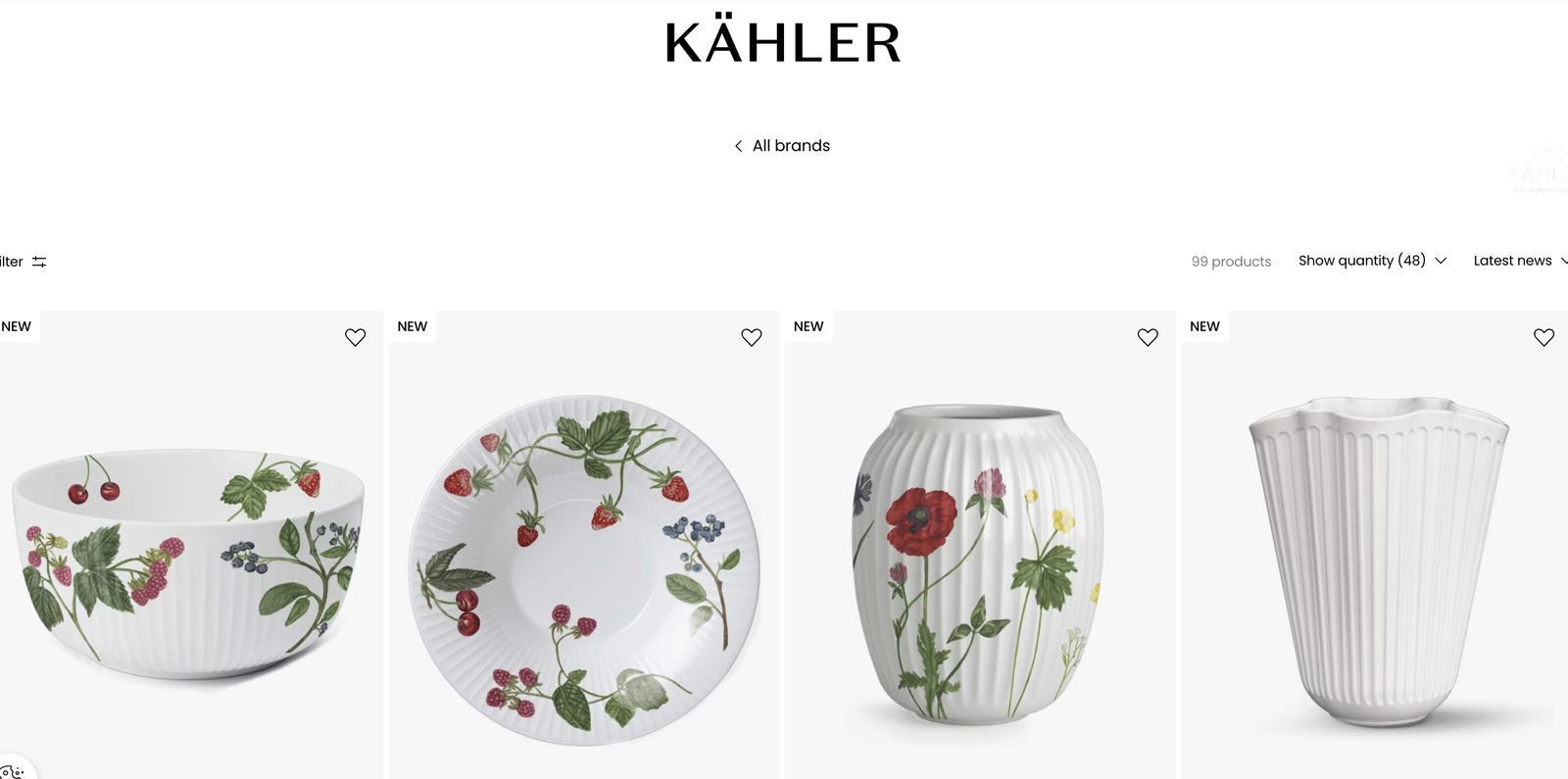
With a rich history of creating fine porcelain, Hutschenreuther has expanded its product range to include ceramic vases. Their designs often feature minimalist styles, making them perfect for those looking to enhance their interiors with sustainable pieces. - Kähler Design
While not strictly German (it hails from Denmark), Kähler Design is widely popular in Germany. The company is known for its artisanal, handmade ceramic vases that are both sustainable and stylish, using traditional techniques and eco-friendly materials. - Leitz
Leitz is a lesser-known but respected German brand that has recently entered the sustainable home décor market. Their ceramic vases are produced using eco-conscious methods and feature bold, contemporary designs.
Table: Comparison of Ceramic Vases from Top German Brands
| Brand | Sustainability Features | Design Style | Material Used | Manufacturing Process |
|---|---|---|---|---|
| Villeroy & Boch | Uses natural, non-toxic glazes; made with renewable energy | Modern, minimalistic | Ceramic | Eco-friendly production |
| Rosenthal | Focus on eco-friendly production techniques | Contemporary elegance | Porcelain | Sustainable sourcing |
| Hutschenreuther | High-quality, long-lasting materials | Classic, timeless | Fine porcelain | Artisan craftsmanship |
| Kähler Design | Handmade; uses natural materials | Scandinavian minimalist | Ceramic & porcelain | Traditional techniques |
| Leitz | Eco-conscious production; locally sourced materials | Bold, modern designs | Ceramic | Low-impact processes |
How to Incorporate Ceramic Vases into Sustainable Interior Design
Incorporating ceramic vases into your home’s interior design can be simple yet effective in creating a sustainable living space. Here are some tips on how to do so:
- Mix and Match Styles: Whether you prefer sleek and modern vases or rustic, handcrafted pieces, ceramic vases can be mixed and matched to suit any style. Pair them with plants, dried flowers, or decorative stones to enhance their beauty.
- Opt for Local Artisans: Supporting local artisans not only ensures a unique design but also reduces the environmental cost of mass production and transportation.
- Use as Centerpieces: Place ceramic vases on your dining table or as centerpieces in your living room. Their timeless design adds a touch of elegance while being eco-friendly.
- Choose Durable, Long-lasting Vases: Invest in high-quality ceramic vases that will last for years. This reduces the need for replacements and contributes to a more sustainable lifestyle.
FAQs: Sustainable Ceramic Vases
1. What makes ceramic vases more sustainable than other materials?
Ceramic vases are made from natural, abundant materials, and they are durable, long-lasting, and recyclable, which makes them a more eco-friendly choice compared to plastic or glass vases.
2. Are there any eco-friendly ceramic vases made in Germany?
Yes, many German brands, such as Villeroy & Boch and Rosenthal, produce ceramic vases using sustainable manufacturing processes and eco-friendly materials.
3. How can I tell if a ceramic vase is sustainable?
Look for brands that emphasize eco-friendly production practices, use natural materials, and ensure long-lasting quality in their products.
4. Can ceramic vases be recycled?
Yes, ceramic vases can be recycled and repurposed into new products, making them a great choice for sustainable living.
Conclusion
Ceramic vases play a crucial role in sustainable interior design, offering both aesthetic appeal and environmental benefits. As the world continues to move toward sustainability, products like ceramic vases are becoming an integral part of eco-conscious living in Germany and beyond. By choosing ceramic vases, you are not only enhancing your home’s décor but also contributing to a more sustainable future.
If you’re looking for high-quality ceramic vases for your brand, Hale offers OEM and ODM services to help you create custom, eco-friendly designs tailored to your needs. Based in China, Hale is committed to providing sustainable, artisanal ceramic products that align with global sustainability trends.
