
Creating the perfect bonsai display isn’t just about trimming branches and nurturing roots. One of the most overlooked yet deeply influential aspects of bonsai artistry is choosing the right pot color and shape to match your tree. This decision can elevate a simple plant into a compelling visual story—a balance between nature and design.
In this blog, we’ll explore how to choose pot shapes and hues that best complement different types of bonsai trees, with a keen focus on harmony, aesthetics, and the silent language of forms and colors.
Why Pot Selection Matters in Bonsai Aesthetics
A bonsai tree may take years to shape, but its pot is what sets the stage. The relationship between a bonsai and its container is one of dialogue: bold vs. subtle, masculine vs. feminine, wild vs. refined.
Think of the pot as the frame to a painting—it should enhance, not distract.
Beyond visual appeal, the right pot also speaks volumes about the species, age, and style of your tree. From minimalist oval pots that whisper elegance to rugged rectangular ones that speak of strength, there’s a language here, and we’re about to decode it.
Matching Pot Shapes with Bonsai Tree Styles
The shape of your bonsai pot should reflect the essence of the tree. Traditionally, bonsai experts pair masculine trees (strong trunks, angular lines) with angular pots, and feminine trees (delicate, curved, or weeping shapes) with softer, rounded pots.


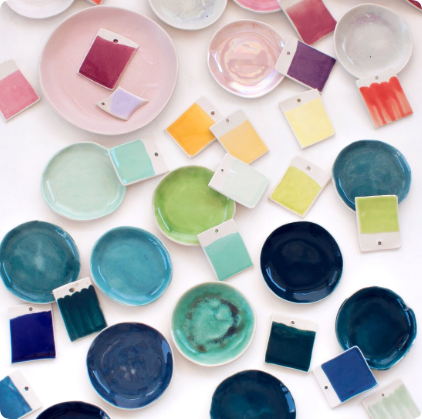
Pot Shape vs. Bonsai Style Table
| Bonsai Style | Pot Shape Recommendation | Why It Works |
|---|---|---|
| Formal Upright (Chokkan) | Rectangular or square | Enhances strength and symmetry |
| Informal Upright (Moyogi) | Oval or rounded corners | Balances gentle movement with stability |
| Cascade (Kengai) | Deep round or hexagonal | Supports vertical movement and dramatic drop |
| Slanting (Shakan) | Oval or trapezoid | Echoes natural leaning form |
| Literati (Bunjin-gi) | Small round or square | Allows tree to be the focal point without competition |
| Forest Grouping (Yose-ue) | Shallow, elongated oval | Provides landscape-like canvas for multiple trunks |
Understanding Pot Colors and Their Emotional Impact
Colors speak to our emotions. When matched with the bark, foliage, or seasonal display of a bonsai tree, a carefully chosen pot color can highlight subtle beauty or create bold contrast. For example:
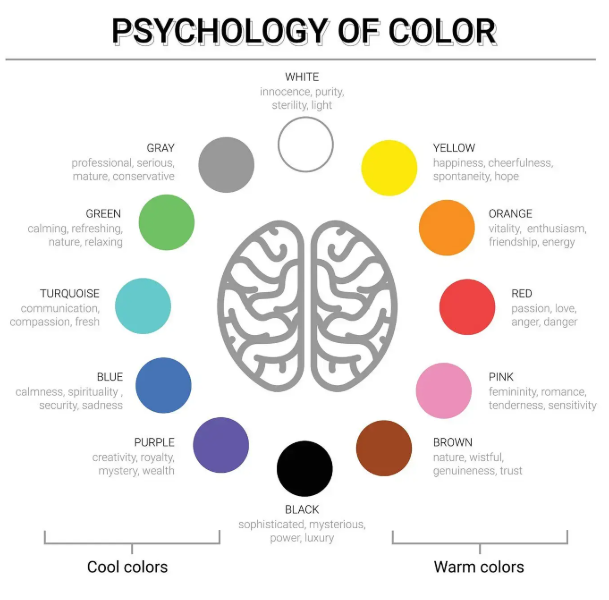
- Muted earth tones (gray, beige, sand) often suit traditional displays and evergreen bonsai like pine and juniper.
- Cool blues or greens can enhance deciduous trees like maple, especially in spring.
- Warmer tones (rust red, ochre) bring out the fiery tones in autumn foliage.
- White or crackled glaze offers an elegant touch to flowering bonsai like wisteria or cherry blossom.
The key is not to overpower, but to whisper supportively.
5 Noteworthy Bonsai Pot Brands with Distinctive Artistic Styles
While many bonsai lovers search for mass-market options, there’s a rising movement toward artisanal and well-designed ceramic bonsai pots that reflect decades of craftsmanship. Here are five reputable brands known for their unique take on bonsai pot artistry:
1. Yamaaki Kiln (Japan)
Renowned for minimalist glazes and excellent clay composition, Yamaaki pots blend earthy textures with refined lines. Their signature shallow rectangle pots are often sought after by collectors.
2. Ron Lang Bonsai Containers (USA)
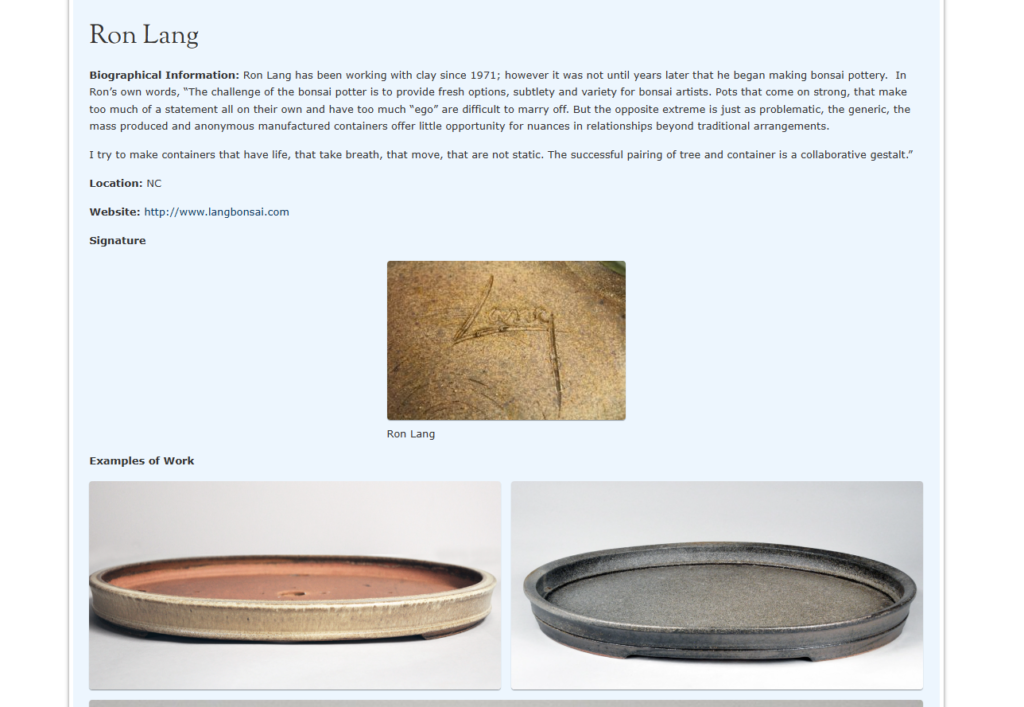
A sculptor by training, Ron Lang’s pots are bold and architectural. Known for unglazed stoneware that adds depth and character to more rugged tree types like juniper.
3. Walsall Studio Ceramics (UK)
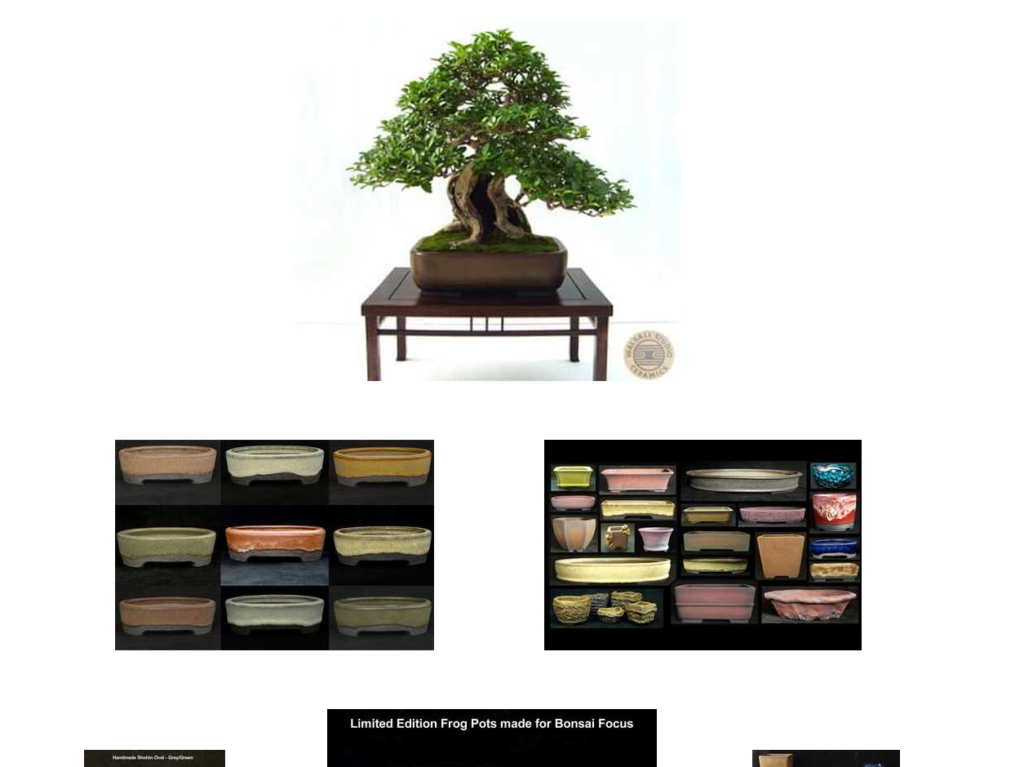
Combining traditional English pottery skills with bonsai culture, Walsall’s range includes both classical and contemporary styles—ideal for both beginners and seasoned enthusiasts.
4. Horst Heinzlreiter (Germany)
Each piece from Horst is hand-built and often asymmetrical, perfect for bonsai enthusiasts who lean toward naturalistic, wild-looking displays.
5. Pottery by Marius Gaidys (Lithuania)
A European rising star, Gaidys’ pots are appreciated for vivid glaze colors and organic shapes, particularly suited to flowering bonsai species.
Balancing Texture, Glaze, and Visual Weight
Texture matters just as much as shape and color. A rough clay texture pairs beautifully with rugged bark, while smooth-glazed pots work well with sleek foliage or delicate flowers. Visual weight is also essential—a heavy-looking pot can overpower a petite tree.
When choosing, consider:
- Matte vs. Glossy: Matte finishes feel more grounded, while glossy glazes can appear more decorative.
- Symmetry vs. Organic Form: Symmetry is more formal; organic pots suit wild, windswept styles.
FAQ – People Also Ask
Q1: What is the best color bonsai pot for a maple tree?
A: For maple trees, soft green, pale blue, or even beige pots work wonderfully, especially during the spring and autumn when leaf color changes dramatically.
Q2: Should the bonsai pot be bigger than the tree?
A: Not necessarily. A bonsai pot should be proportional to the tree. Generally, the pot’s width equals 2/3 of the tree’s height for visual balance.
Q3: Are round pots only for feminine bonsai styles?
A: While round pots traditionally match feminine styles, bonsai is also an art—rules can be bent for creative expression.
Q4: Can I use glazed pots for evergreen bonsai?
A: Yes, but muted or earthy glazes (brown, gray, green) are recommended to maintain a natural look.
Q5: How do I match a bonsai tree with an oval ceramic planter?
A: Oval planters are versatile and typically suit informal upright or slanting styles. The gentle curves complement the organic movement of these tree forms.
Harmony Between Tree and Pot
The best bonsai displays feel effortless—but behind that harmony is a deep understanding of balance, contrast, and nuance. Whether you’re styling a windblown juniper or a flowering wisteria, the ceramic pot’s color and shape can make or break the aesthetic.
For global retailers, garden décor buyers, or bonsai-focused gift shops looking to create bespoke containers, Hale is a ceramic manufacturer based in China offering OEM & ODM services. Our workshop supports brands worldwide in producing tailored bonsai pots that meet both traditional and contemporary tastes.
