
Color has a funny way of changing how we feel about a space. A simple ceramic planter in warm beige can make a room feel more relaxed, while a deep blue planter can turn an ordinary shelf into something worth looking at twice.
For home décor brands and garden retailers, color is also a practical business decision. A new planter collection needs to look attractive, fit the tastes of its target customers, and work alongside products that are already on the shelves.
As we look toward 2027, ceramic home décor is moving into an interesting period. The direction is not simply about choosing brighter colors or following another seasonal palette. There is a growing interest in colors that create emotional connections, bring nature indoors, and make everyday spaces feel more personal.
For ceramic planter buyers, this creates several opportunities. Warm earthy shades can support year-round collections, botanical greens can connect with gardening and wellness themes, and expressive blues, pinks, and oranges can introduce fresh energy into retail displays.
But which colors are actually worth considering for 2027? And how can wholesalers, retailers, and private-label brands turn these color predictions into commercially attractive ceramic planter collections?
Let’s explore the major color directions, the planter designs they suit best, and what buyers should consider before placing their next OEM or wholesale order.
1. What Are the Biggest Ceramic Home Décor Color Trends for 2027?
The most interesting color direction for 2027 is the balance between emotional comfort and creative expression.
Some consumers want their homes to feel calmer and more connected to nature. Others are becoming more comfortable introducing stronger colors, unusual combinations, and decorative objects with more personality.
This balance is reflected in several major industry forecasts.
According to WGSN and Coloro’s 2027 color forecast, Luminous Blue is the 2027 Color of the Year. The S/S 27 key colors also include Energy Orange, Pop Pink, Meadowland Green, and Clay.
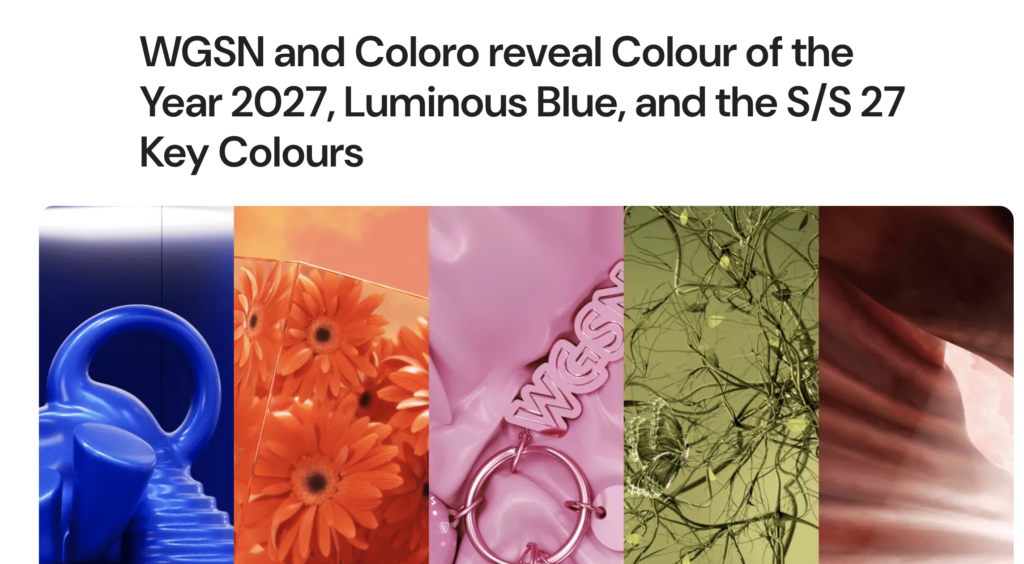
Meanwhile, the Pantone View Home + Interiors 2027 forecast identifies seven broader palettes, including Delight, Allure, Lucid, Hush, Honest, Grounded, and Elation. Together, these directions point toward comfort, nature-inspired colors, expressive accents, and more individual interior styling.
For ceramic planter manufacturers and wholesale buyers, these forecasts provide a useful starting point for product development.
Here are the six color directions worth watching.
1.1 Luminous Blue: A Statement Color for Modern Ceramic Planters
Blue is not new to home décor, but the 2027 direction is more energetic and expressive.
WGSN and Coloro selected Luminous Blue as their 2027 Color of the Year. It is a vibrant, dynamic shade that sits between futuristic expression and a more mysterious, atmospheric blue.
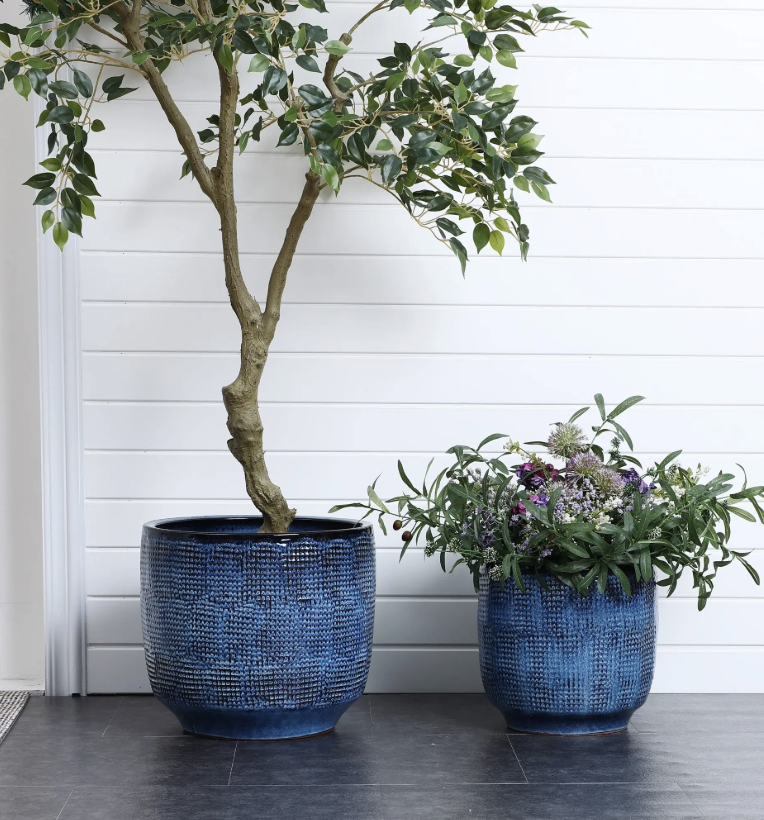
For ceramic planters, this opens up several interesting design possibilities.
A glossy Luminous Blue planter with a rounded silhouette can become a strong decorative accent in a contemporary living room. A taller cylindrical planter in a similar shade may work well in modern commercial interiors, hotel spaces, and design-led retail collections.
The color can also be softened through combinations with:
- Warm ivory.
- Pale gray.
- Muted sand.
- Deep navy.
- Soft green.
For wholesalers, the key is not to make every product in the collection equally bold. A bright blue planter can serve as a statement item, while more neutral designs provide balance.
A modern blue glazed ceramic planter for indoor plants is worth considering for brands looking to introduce a more expressive color into an otherwise understated assortment.
It may also be useful for retailers whose customers prefer contemporary interiors but want something more distinctive than traditional white or beige planters.
1.2 Meadowland Green: Bringing Nature Further Into the Home
Green continues to have a natural connection with ceramic planters, but the direction for 2027 deserves more attention than simply offering another standard sage green product.
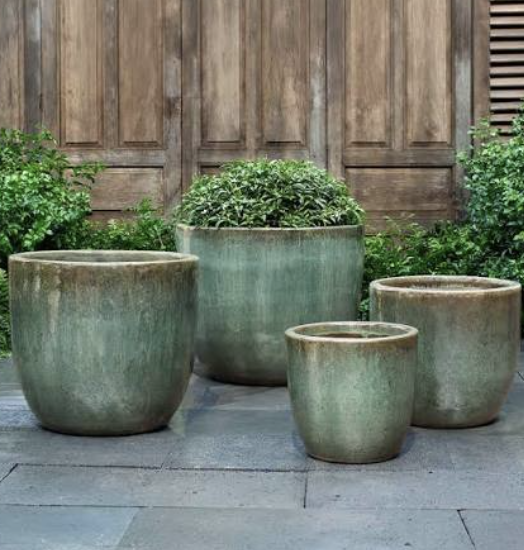
WGSN and Coloro’s Meadowland Green is a nourishing mid-green that reflects a desire for calm, connection, and a slower pace of life.
This is particularly relevant to the gardening and home décor markets.
Consumers are increasingly interested in creating indoor green spaces, styling balconies, and bringing plants into areas that were previously treated as purely functional.
A green planter is therefore not just a container for a plant. It becomes part of the overall interior styling.
Potential product directions include:
- Meadowland green matte ceramic planters.
- Olive green planters with subtle glaze variations.
- Green reactive glaze flower pots.
- Two-tone green ceramic planters.
- Botanical-inspired planters with embossed leaf details.
For buyers, a green ceramic planter for indoor plants and modern home décor can fit several different product categories, including gardening accessories, home decoration, and lifestyle gifts.
A particularly interesting approach is to combine different shades of green within one collection. For example, a light green planter could be paired with a deeper olive version and a smaller decorative pot in a muted botanical shade.
This creates a coordinated display without making the products look repetitive.
1.3 Clay: Warm Earthy Colors With Long-Term Appeal
Among the 2027 key colors, Clay is especially relevant to ceramic home décor.
WGSN and Coloro describe Clay as a warm, pink-toned neutral with an earthy character. It connects traditional natural tones with a more contemporary design direction.

For ceramic planters, this color can be interpreted in several ways:
- Soft clay pink.
- Muted terracotta.
- Dusty rose.
- Warm reddish beige.
- Pale earth brown.
These shades are useful because they introduce warmth without becoming overly bright.
A clay-colored planter can work with natural wood furniture, neutral sofas, linen textiles, dried flowers, and botanical arrangements.
It can also be developed across different finishes. A matte clay planter feels understated, while a glossy clay glaze creates a slightly more polished decorative effect.
For wholesalers, terracotta-toned ceramic planters for contemporary home decoration offer an opportunity to refresh traditional earthy collections without moving too far away from familiar customer preferences.
This is particularly useful for retailers who want to introduce new colors while maintaining a relatively easy-to-coordinate assortment.
1.4 Pop Pink: Adding Personality to Decorative Planters
Pink is becoming more interesting in home décor because it is no longer limited to traditionally romantic or feminine styling.
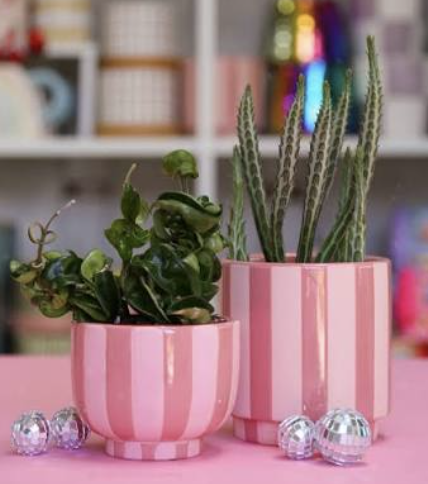
The 2027 Pop Pink direction is playful, uplifting, and expressive.
In ceramic planters, it can create a different visual identity from the more familiar green, brown, and neutral products.
However, the shade needs to be considered carefully.
A strong pink planter may work better as a statement product, while softer blush and dusty pink variations can be used in larger collections.
Some possible combinations include:
- Pop pink with warm ivory.
- Dusty pink with clay.
- Pink with pale gray.
- Soft pink fading into beige.
- Pink paired with muted botanical green.
A pink ceramic flower pot for modern home décor and gift collections could appeal to lifestyle retailers, gift shops, and online sellers looking for products with a more distinctive appearance.
For wholesale buyers, a useful strategy is to introduce pink through a limited number of designs rather than making it the dominant color across the entire assortment.
This allows retailers to test customer interest while keeping inventory more manageable.
1.5 Energy Orange: A Fresh Accent for Statement Collections
Orange is another color worth watching in 2027.
WGSN and Coloro identify Energy Orange as a vibrant color associated with vitality, adaptability, and a positive response to change.
For ceramic planters, orange can bring energy to a display, especially when combined with more restrained colors.
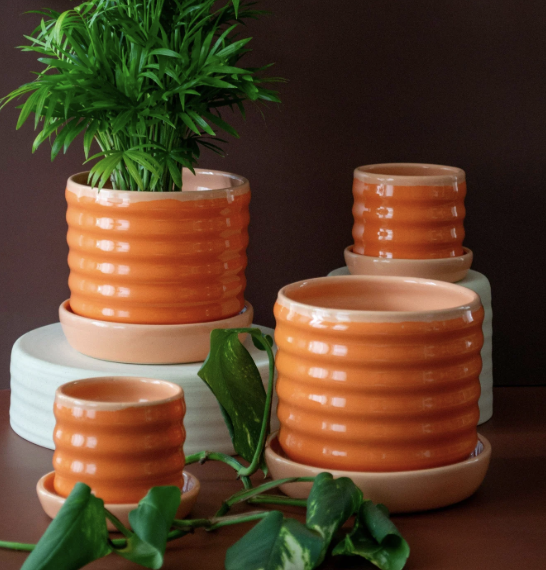
There are several ways to use it.
A bright orange planter with a simple shape can become a focal point in a modern home décor collection. A softer burnt orange or amber glaze may be easier to coordinate with traditional interiors.
For outdoor and balcony collections, orange can also work alongside green foliage, flowering plants, and natural garden accessories.
A burnt orange ceramic planter for balcony and patio decoration may be worth testing for seasonal collections, while brighter orange designs can be reserved for statement pieces.
The important thing is to understand the target customer. Not every retailer will want highly saturated colors, but a small number of expressive products can make an otherwise neutral collection feel more current.
1.6 Muted Mauve and Deep Purple: A More Sophisticated Color Direction
Beyond the WGSN and Coloro key colors, other 2027 interior design forecasts point toward richer purple shades, muted mauve, and deeper earthy colors.
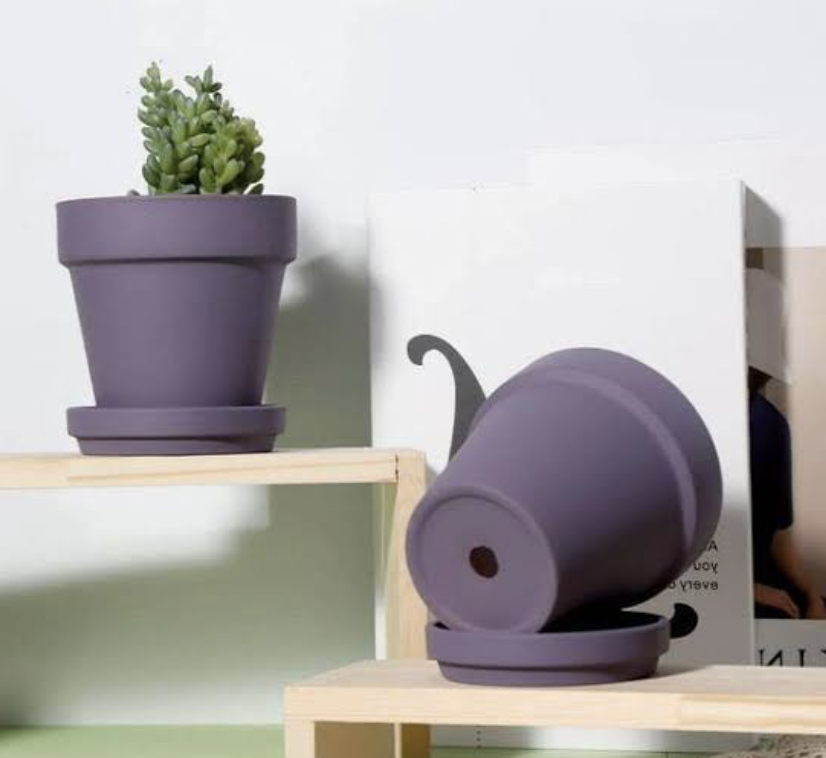
Homes & Gardens’ 2027 color trend report highlights the return of muted mauves, rich aubergine, sun-faded pastels, and organic greens.
For ceramic planters, this offers an opportunity to develop a more sophisticated color range.
Muted mauve can be used for small decorative planters, tabletop flower pots, and gift-oriented products. Deeper aubergine can work as a statement color for larger planters or sculptural decorative pieces.
These shades can be particularly interesting when paired with:
- Warm beige.
- Creamy white.
- Dusty pink.
- Dark olive green.
- Soft gray.
A muted mauve ceramic flower pot for elegant home interiors may appeal to retailers looking for something different from the usual neutral and botanical color combinations.
The key is to avoid making the entire collection too dark. Combining deeper purple products with lighter neutral pieces creates a more balanced assortment.
2. How Will 2027 Color Trends Influence Ceramic Planter Design?
Choosing a trending color is only the beginning.
A color needs to work with the shape, size, finish, and intended use of the planter. The same shade can look completely different depending on whether it appears on a small succulent pot, a large floor planter, or a sculptural decorative container.
For manufacturers and buyers, the best approach is to develop colors and product shapes together.
2.1 Minimalist Shapes Will Give Trending Colors More Room to Stand Out
When a planter has a simple shape, its color becomes more noticeable.
This is particularly useful for Luminous Blue, Pop Pink, and Energy Orange.
A clean cylindrical planter, a rounded pot, or a simple tapered design can provide enough visual interest without requiring complicated decoration.
For retailers, these products are also relatively easy to merchandise alongside existing furniture and home accessories.
A minimalist colored ceramic planter for modern apartments can therefore serve as a practical product direction for buyers who want to introduce stronger colors without changing their entire design concept.
2.2 Textured Surfaces Will Add Depth to Earthy Colors
Earthy colors do not have to look plain.
A matte surface, subtle embossed pattern, carved lines, or a layered glaze can make a neutral planter more interesting.

For example, a Clay-colored planter with a softly textured exterior can create a handcrafted appearance. A Meadowland Green planter with a reactive glaze effect can show different shades across its curved surface.
These details help products stand out even when the main color is relatively understated.
However, buyers should consider how the texture will look across a complete production batch. If the intention is to create a naturally varied appearance, acceptable variations should still be agreed upon before production.
2.3 Gradient and Two-Tone Finishes Will Extend the Color Story
One of the more flexible ways to use the 2027 color palette is to combine two related shades within the same product.

For example:
- Clay fading into warm beige.
- Meadowland Green transitioning into ivory.
- Blue gradually deepening into navy.
- Pink blending into soft peach.
- Orange transitioning into muted terracotta.
These combinations can make a simple planter more visually distinctive.
They also create opportunities for product families. A manufacturer can develop several planter shapes using the same color concept, allowing retailers to build a coordinated display.
A two-tone glazed ceramic planter for home and garden retailers is worth considering when a buyer wants something more distinctive than a standard single-color flower pot.
2.4 Sculptural Planters Will Become More Important in Decorative Collections
A planter is increasingly expected to contribute to the overall appearance of a room.
This creates opportunities for rounded silhouettes, irregular contours, flared openings, geometric forms, and decorative feet.
When these shapes are combined with carefully selected colors, the planter can become a decorative object in its own right.
For example, a sculptural planter in muted mauve may suit a contemporary living room, while a rounded Clay-colored planter could work well in a warm, natural interior.
For B2B buyers, sculptural designs are particularly relevant to lifestyle stores, furniture retailers, and home décor brands that want to develop products with a stronger visual identity.
3. Which 2027 Colors Are Best for Different Ceramic Planter Markets?
Not every color trend has the same commercial potential.
A garden center, a home décor chain, a gift shop, and an online retailer may all serve different customers. Choosing colors according to the sales channel is often more practical than following a forecast without considering the actual market.
The following comparison provides a starting point for wholesale product planning.
| 2027 color direction | Recommended planter styles | Suitable retail channels | Product positioning |
|---|---|---|---|
| Luminous Blue | Cylindrical, glossy, sculptural planters | Modern home décor stores, design retailers | Contemporary statement pieces |
| Meadowland Green | Matte, botanical, textured planters | Garden centers, plant shops, home décor retailers | Nature-inspired everyday collections |
| Clay | Rounded, textured, terracotta-style planters | Furniture stores, lifestyle retailers, garden shops | Warm, year-round home décor |
| Pop Pink | Small decorative pots, rounded planters | Gift shops, lifestyle stores, e-commerce | Playful and expressive products |
| Energy Orange | Simple statement pots, outdoor planters | Seasonal retailers, garden centers | Accent and seasonal collections |
| Muted Mauve and Aubergine | Sculptural tabletop and medium-sized planters | Premium home décor and gift retailers | Sophisticated decorative collections |
| Soft Neutrals | Classic indoor planters, coordinated sets | Broad retail and wholesale channels | Core products with longer selling potential |
These are suggested product and channel matches rather than guaranteed sales rankings. Buyers should validate the final selection using their own customer feedback, previous sales data, and price positioning.
A practical starting point for a new collection could be to select two core colors, one botanical color, and one expressive accent color.
This creates enough variety to make the assortment interesting without creating too many inventory combinations.
4. 2027 Garden Trends: Why Planter Colors Need to Work Beyond Indoor Spaces
Although many color forecasts focus on interiors, ceramic planters also belong to the gardening market.
This is important because consumers increasingly treat balconies, patios, terraces, and small outdoor spaces as extensions of their homes.
The Monrovia 2027 Garden Design Trends report identifies several directions for the coming gardening season, including Palm Springs Style, The Gilded Garden, Moody Botanicals, and The New Garden Party.
These themes offer useful ideas for ceramic planter development.
4.1 Palm Springs Style: Warm Colors and Architectural Plants
This direction combines a relaxed outdoor atmosphere with architectural planting and energetic colors.
Think of succulents, agave, tropical foliage, and statement container arrangements.
For ceramic planter buyers, this creates opportunities for:
- Warm sand-colored planters.
- Terracotta and orange statement pots.
- Large geometric ceramic planters.
- Rounded planters for architectural succulents.
- Coordinated outdoor container collections.
The key is to develop products that complement the plants rather than compete with them.
A large planter in a warm neutral shade can provide a visual foundation, while a smaller orange or blue pot can add a stronger accent.
4.2 The Gilded Garden: Elegant Colors for Refined Outdoor Spaces
The Gilded Garden direction takes inspiration from traditional European garden styling with a more contemporary presentation.
It emphasizes structured planting, classic flowers, and a more polished outdoor atmosphere.
For ceramic planters, muted green, warm ivory, cream, and understated earthy tones can work particularly well.
Larger planters with clean proportions may suit this direction better than overly decorative designs.
Buyers serving higher-end garden retailers or landscaping projects may want to consider coordinated planter collections in several sizes.
4.3 Moody Botanicals: Dark Colors and Rich Greenery
Not every 2027 garden collection needs to be bright.
Moody Botanicals focuses on darker, more dramatic color combinations, including smoky blue-gray, deep burgundy, and emerald-inspired greenery.
This is an interesting opportunity for ceramic planter manufacturers.
A deep green glazed planter can create a strong contrast with lighter foliage, while a smoky blue-gray pot can complement darker leaves and shaded garden spaces.
For wholesale buyers, dark green glazed ceramic planters for contemporary garden styling may provide an alternative to the more familiar terracotta and beige products.
4.4 The New Garden Party: Colorful Outdoor Living
Outdoor entertaining continues to create opportunities for decorative container products.
Patios and terraces are increasingly styled as social spaces, with flowering plants, decorative accessories, and coordinated outdoor furniture.
For ceramic planters, this means there may be room for more colorful products.
Pink, orange, blue, and warm earthy tones can be combined to create lively outdoor displays.
Retailers can also consider selling different planter sizes as coordinated collections for patios, balconies, and outdoor dining areas.
The most useful product strategy is to create a balance between practical sizes and decorative statement pieces.
5. How Should Wholesalers Build a 2027 Ceramic Planter Collection?
A successful collection is not simply a group of attractive colors.
It should have a clear structure, a recognizable design direction, and enough variety to meet different customer needs.
For wholesalers and private-label brands, planning the collection before placing a production order can make inventory management much easier.
5.1 Start With a Core Color Range
It is tempting to launch every trending color at once, especially when developing a new product range.
However, too many colors can increase inventory complexity and make it harder to understand which products customers actually prefer.
A more manageable approach is to divide the collection into three groups.
Core colors
These are the products expected to remain useful beyond one season.
Examples include:
- Warm beige.
- Cream.
- Clay.
- Muted olive.
- Soft gray.
Trend colors
These introduce the main 2027 color direction.
Examples include:
- Luminous Blue.
- Meadowland Green.
- Pop Pink.
- Muted Mauve.
Accent colors
These are designed to create visual interest.
Examples include:
- Energy Orange.
- Deep aubergine.
- Strong teal.
- Rich burgundy.
This structure gives retailers a balanced collection without relying too heavily on one trend.
5.2 Develop Several Sizes Within the Same Design
A consistent color palette becomes more valuable when it can be used across different planter sizes.
For example, one collection might include:
- Small ceramic pots for succulents and tabletop plants.
- Medium indoor planters for living rooms and bedrooms.
- Larger planters for floor displays.
- Coordinated outdoor planters for patios and balconies.
This allows retailers to create a complete display rather than purchasing unrelated products.
For cross-border e-commerce sellers, different sizes also provide opportunities to create separate listings, product variations, and bundled sets.
5.3 Think About the Plant, Not Just the Planter
A planter’s color should work with the plants customers are likely to place inside it.
For example, a muted green planter can complement foliage plants, while a warm clay-colored pot may work particularly well with flowering plants and natural interior styling.
A deep blue planter can provide contrast against bright green leaves.
This is why lifestyle photography matters. A planter photographed by itself may look attractive, but showing it with a suitable plant helps customers imagine how it will look in their own space.
5.4 Plan Seasonal Launches Around the Core Collection
Not every new color needs to become a permanent product.
Retailers can maintain a stable range of core colors and introduce more expressive shades for seasonal campaigns.
For example, warm earthy colors can support autumn and winter displays, while brighter blue, pink, and green designs can be used in spring and summer promotions.
This approach allows buyers to update their product ranges without completely replacing existing inventory.
6. What Should Buyers Check When Sourcing 2027 Color Trend Ceramic Planters?
Color trends can make a product look attractive, but successful wholesale purchasing still depends on production quality and reliable specifications.
Before placing an OEM or bulk order, buyers should consider several important details.
6.1 Color Accuracy and Sample Approval
The color shown on a computer screen may look different from the finished ceramic product.
This is especially important for shades such as Luminous Blue, Pop Pink, and muted mauve, where small changes in tone can affect the overall appearance.
Buyers should request physical samples and approve the actual glaze color before production.
It is also helpful to establish a reference sample or documented color standard for future repeat orders.
For larger collections, buyers should check whether the same color can be maintained across different planter sizes and shapes.
6.2 Glaze Finish and Surface Consistency
The same color can create different visual effects depending on the surface finish.
For example:
- Matte finishes create a quieter, more understated appearance.
- Glossy glazes emphasize color depth and light reflection.
- Reactive glazes can produce more organic surface variations.
- Layered glazes can create additional color depth.
- Embossed or carved details can add texture to simple color palettes.
Buyers should choose finishes based on the intended retail positioning.
They should also agree on acceptable surface variations before bulk production, especially when the collection is designed to have a handmade or naturally varied appearance.
6.3 Drainage Holes and Product Function
A ceramic planter should meet the practical needs of the intended plant category.
For products designed for live plants, buyers should confirm whether drainage holes are required and whether matching saucers are available.
Different customers may need different specifications.
A decorative indoor planter used with a nursery pot may not require the same drainage design as a planter intended for direct planting.
A custom ceramic planter with drainage holes and matching saucer can therefore be a useful product direction for garden retailers and wholesalers serving different customer groups.
6.4 Dimensions and Packaging
Planter dimensions affect both retail display and international shipping.
Before ordering, buyers should confirm:
- Height and top diameter.
- Base diameter.
- Inner dimensions.
- Weight.
- Packaging dimensions.
- Carton quantity.
- Protective packaging requirements.
Larger planters may require additional protective materials, while smaller planters can sometimes be packed in coordinated sets.
For e-commerce sellers, packaging is particularly important because products may pass through multiple handling stages before reaching the customer.
6.5 MOQ, Production Lead Time, and Repeat Orders
A new color collection may involve several shapes and finishes.
Buyers should clarify whether the minimum order quantity applies per color, per design, or to the entire order.
They should also confirm the expected sample-development time, production lead time, and arrangements for future repeat orders.
If a particular shade becomes a strong seller, the manufacturer should be able to refer to the approved sample and production specifications when handling subsequent orders.
This is particularly important for private-label brands that need a consistent appearance across multiple sales seasons.
7. Why OEM and ODM Matter for 2027 Ceramic Planter Color Collections
Following color trends is one thing. Building a recognizable product range around them is another.
For brands and wholesalers, OEM and ODM cooperation can provide more flexibility when developing ceramic planters for specific markets.
7.1 OEM: Turn Your Own Color Concept Into a Product
OEM is suitable for buyers who already have a clear design concept or product specification.
For example, a home décor brand may want to develop a ceramic planter in a particular shade of Meadowland Green, with a matte finish, a specific height, and a custom logo.
The manufacturer then works according to the agreed product requirements.
The more detailed the specification, the easier it is to evaluate the sample and manage bulk production.
7.2 ODM: Develop New Designs Around Market Trends
ODM can be useful when buyers know what kind of product they want but have not finalized the design.
For example, a garden retailer may want a new collection based on the 2027 Clay and Meadowland Green color directions.
The manufacturer can help explore suitable shapes, finishes, sizes, and combinations.
The buyer can then review samples and select the designs that best fit the target market.
7.3 Create a Recognizable Collection Instead of Copying Individual Trends
One of the biggest opportunities in 2027 is to combine different color directions into a collection with its own identity.
For example, a brand could develop a coordinated range built around:
- Clay-colored rounded planters.
- Meadowland Green textured pots.
- Luminous Blue statement planters.
- Neutral beige indoor flower pots.
These products do not need to look identical. They simply need to share a consistent design language.
This gives the brand more flexibility in product photography, retail displays, and future product launches.
For buyers, the goal should be to use color trends as inspiration rather than treating every forecasted shade as a product that must be purchased.
8. The Future of Ceramic Planter Colors: Personal Expression Meets Practical Design
Looking toward 2027, ceramic planter color trends are becoming more diverse.
Warm earthy tones continue to provide a comfortable foundation, while botanical greens reinforce the connection between indoor living and nature. At the same time, vibrant blues, expressive pinks, energetic oranges, and deeper purple shades offer opportunities for more distinctive collections.
For ceramic planter buyers, this means there is no need to choose between safe colors and trend-driven products.
A well-planned assortment can include both.
The most practical strategy is to build a reliable core range, introduce a few carefully selected trend colors, and develop different shapes and sizes around a consistent design concept.
Buyers should also remember that color alone does not make a successful product. Shape, glaze quality, drainage options, dimensions, packaging, and production consistency all influence the final purchasing decision.
For brands and wholesalers looking to develop their own 2027 ceramic planter collections, working with a manufacturer that understands custom colors and OEM/ODM production can make the process more manageable.
Hale is a ceramic factory based in Chaozhou, China, specializing in ceramic flowerpots, ceramic vases, candle jars, and home décor items. Hale provides OEM and ODM manufacturing services for global home and garden brands, wholesalers, distributors, gift businesses, and cross-border e-commerce sellers.
From custom glaze colors and planter shapes to product dimensions and coordinated collections, Hale supports buyers in developing ceramic home décor products that fit their target markets.
The 2027 color trends offer plenty of inspiration. The real opportunity is turning those colors into products that customers will want to bring into their homes and gardens.
Frequently Asked Questions
1. What are the biggest color trends for ceramic planters in 2027?
Important color directions include Luminous Blue, Meadowland Green, Clay, Pop Pink, and Energy Orange, as forecast by WGSN and Coloro. Muted mauve, deep purple, warm neutrals, and earthy greens are also worth exploring for ceramic home décor collections.
2. What is the best color for ceramic planters in 2027?
There is no single best color for every market. Meadowland Green and Clay are useful options for nature-inspired and warm interior collections, while Luminous Blue and Pop Pink can work as statement colors. Buyers should select colors based on their target customers and retail positioning.
3. Are green ceramic planters still popular in 2027?
Green remains a relevant direction, particularly as consumers continue to bring plants and natural elements into their living spaces. In 2027, buyers can explore deeper botanical greens, olive shades, and Meadowland Green rather than relying only on traditional sage green.
4. What ceramic planter colors are suitable for modern home décor?
Warm beige, Clay, muted green, blue-gray, soft pink, and selected statement colors can work well in modern interiors. The best choice depends on the furniture, plant varieties, and overall decorative style.
5. Are colorful ceramic planters suitable for wholesale and retail?
Yes. Colorful ceramic planters can help retailers create distinctive displays and attract customers looking for decorative products. A balanced collection should combine practical core colors with a smaller number of expressive accent colors.
6. What ceramic planter finishes are worth considering in 2027?
Matte, glossy, reactive glaze, layered glaze, embossed, and textured finishes are all worth exploring. Buyers should select finishes that complement the chosen color palette and target retail positioning.
7. Can ceramic planter manufacturers customize 2027 trend colors?
Yes. Depending on the manufacturer’s capabilities, OEM and ODM projects can include custom glaze colors, surface finishes, shapes, dimensions, logos, and packaging. Buyers should approve physical samples before bulk production.
8. What should wholesalers consider when buying ceramic planters in bulk?
Important factors include MOQ, color consistency, glaze quality, product dimensions, drainage holes, matching saucers, packaging, production lead time, and repeat-order arrangements.
9. Which ceramic planter colors are suitable for outdoor and balcony collections?
Terracotta, warm beige, botanical green, orange, and selected blue shades are useful directions to explore. Buyers should also confirm that the product specifications and glaze finish are suitable for the intended outdoor conditions.
10. How can retailers create a 2027 ceramic planter collection?
A practical approach is to begin with a small core color range, add two or three trend colors, and develop several planter shapes and sizes around the same design concept. Retailers can then evaluate customer feedback and sales performance before expanding the collection.
11. Why should home décor brands work with an OEM/ODM ceramic planter factory?
An OEM/ODM factory can help brands develop custom colors, shapes, finishes, dimensions, and coordinated product collections. This allows buyers to create products that better match their target markets rather than relying entirely on standard catalogue designs.
12. Where can wholesalers source custom ceramic planters from China?
Wholesalers can work directly with Chinese ceramic manufacturers that offer custom glaze development, product sampling, bulk production, quality inspection, and export packaging. Before placing an order, buyers should review factory capabilities, approve samples, and confirm production specifications.
